The Complete Guide to Cycle Touring
By Sarah Published on 15/12/2025 at 07h01 — modified on 14/12/2025 at 07h01 Reading time : 3 minutes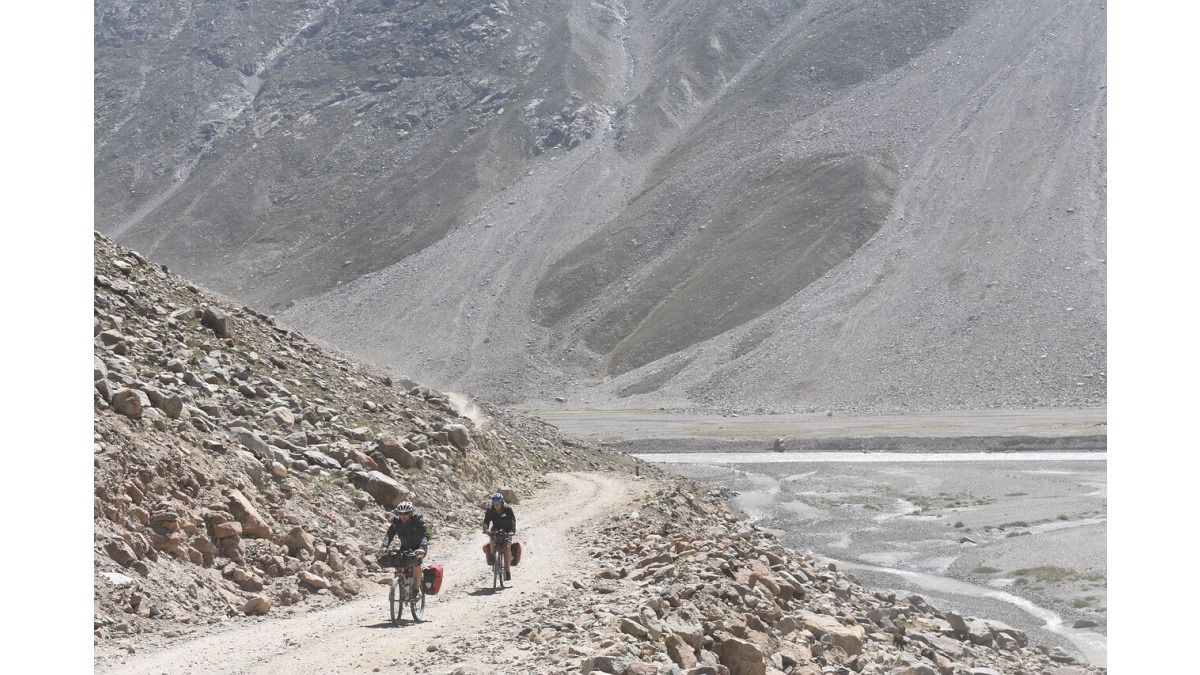
Introduction
Cycle touring offers a unique way to explore the world, combining the joys of cycling with the adventure of travel. Whether you’re navigating scenic backroads or tackling challenging mountain trails, cycle touring allows you to experience destinations in a way that few other activities can.
Understanding Cycle Touring
Cycle touring is not just about riding your bike; it’s about planning journeys that can range from a weekend trip to months on the road. Here are some key elements that define cycle touring:
- Adventure: Exploring new places often involves unpredictable weather, diverse terrains, and opportunities to meet fellow cyclists.
- Self-sufficiency: Cyclists need to be prepared for all aspects of their journey, including food, shelter, and repairs.
- Planning: Proper planning is crucial to ensure a safe and enjoyable ride.
Why Cycle Touring?
Cycle touring allows for an immersive experience where you can appreciate local cultures, savor regional dishes, and enjoy the scenic beauty of nature. Unlike traditional travel methods, cycling lets you cover significant distances while still engaging with the landscape around you.
Types of Cycle Touring
Understanding the different types of cycle touring can help you choose the right approach for your adventure:
1. Supported Tours
With supported tours, you’ll have a support vehicle carrying your gear, meals, and providing assistance. This option is great for cyclists who want to enjoy long distances without the burden of carrying heavy loads.
2. Self-supported Tours
In self-supported tours, cyclists carry all their essentials, including food, water, and camping gear. This type of touring requires more preparation and self-reliance but can be more rewarding in terms of personal achievement.
3. Credit Card Touring
This style involves carrying minimal gear and staying in hotels or hostels along the way. It’s a good option for those who prefer comfort without sacrificing the joy of cycling.
Preparing for Your Cycle Tour
Preparation is vital for a successful cycle touring adventure. Here’s how to get started:
1. Training for Endurance
Building your cycling fitness is essential, especially for longer rides. Incorporate the following elements into your training plan:
- Base Training: Increase your cycling duration gradually to build endurance. Start with short trips and progressively add distance.
- Interval Training: Include high-intensity intervals for strength and speed. For instance, sprinting for 1 minute followed by 3 minutes of moderate cycling.
- Long Rides: Plan a weekly long ride to simulate tour conditions, focusing on maintaining a steady pace for several hours.
2. Choosing Your Route
Selecting the right route is crucial for ensuring your tour is enjoyable. Consider the following:
- Scenic Value: Look for routes that offer stunning landscapes and interesting points of interest.
- Elevation Changes: Be aware of hills and mountains. Choose routes that match your fitness and skill level.
- Road Conditions: Ensure the roads are suitable for cycling, keeping in mind traffic levels and surface quality.
3. Essential Gear
Your success on the road depends heavily on the gear you choose. Here’s what you’ll need:
Bicycle
Choose a touring bike or a robust road bike with adequate gear ratios for climbing. Ensure your bike is in good condition and suitable for long distances.
Panniers and Racks
Panniers are essential for carrying your belongings. Invest in quality waterproof panniers to protect your gear from the elements.
Camping Gear
If you plan to camp, lightweight equipment is key. Consider a compact tent, sleeping bag, and a portable stove.
4. Nutrition and Hydration
A balanced diet is vital to keep your energy levels high during your tour. Here are some strategies:
- Hydration: Drink plenty of water before, during, and after riding. Consider bringing a water filtration system for longer rides where water sources may be scarce.
- Energy Foods: Pack high-energy snacks such as nuts, energy bars, and dried fruits to keep your energy levels up. Eating small amounts frequently can help maintain your energy throughout the ride.
- Pre-Ride Meals: Opt for carbs and proteins before you start riding. Foods like oatmeal with fruits or a sandwich can provide lasting energy.
Setting Off on Your Adventure
Once you’ve trained adequately and prepared your gear, it’s time to set off! Here are some tips to keep in mind:
1. Start Slowly
Allow your body to adjust to the long distances and pack weight. It’s wise to keep your initial days shorter before gradually increasing your mileage.
2. Embrace the Journey
Cycle touring is as much about the experience as it is about the destination. Embrace the surrounding environment, meet local people, and enjoy the ride.
3. Stay Flexible
Be prepared to adapt your plans. Weather changes, road conditions, and fatigue can lead to detours or spontaneous adventures!
Staying Safe on the Road
Safety should always be a top priority during your cycle tour. Here are a few tips:
1. Wear Proper Gear
A helmet is non-negotiable, alongside reflective clothing and lights for visibility, especially when riding in low-light conditions.
2. Know Your Rights and Responsibilities
Brush up on local traffic laws before setting off. Understanding these will help you ride safely and legally.
3. Plan for Breakdowns
Carry essential tools like tire levers, repair kits, and a pump, enabling you to handle common bike issues independently.
Post-Tour Recovery
After completing your tour, don’t forget about recovery. Your body needs time to heal. Here’s how to optimize your recovery:
- Rehydrate: Drink plenty of water and consume electrolytes to replenish what you've lost.
- Rest: Allow your muscles to recover properly, integrating rest days into your schedule.
- Stretch and Strengthen: Incorporate stretching and mobility exercises to help restore flexibility after long rides.
Conclusion
Cycle touring is a fulfilling way to explore the world on two wheels. With the right preparation, gear, and mindset, you can embark on an unforgettable journey that not only challenges your physical limits but also enhances your love for cycling. So, grab your bike, pack your bags, and hit the open road!
🧠 FAQ - Cycle Touring
❓ What bicycle is best for cycle touring?
A touring bicycle or a robust road bike with lower gearing for climbing and the ability to attach racks for panniers is ideal.
❓ How do I plan a cycle tour route?
Select routes based on scenic views, road conditions, and elevation changes that match your skill level and desired challenge.
❓ What should I pack for a cycle tour?
Essentials include a good bike, repair tools, panniers, camping gear (if needed), hydration systems, and nutritious snacks.
❓ How much training is needed for a cycle tour?
Start training several months in advance, incorporating base rides, intervals, and weekly long rides to build your endurance.
❓ What are some good energy foods for cycling?
Nuts, energy bars, dried fruits, and sandwiches with carbs and proteins are great for energy during rides.
❓ How can I recover after a cycle tour?
Focus on rehydration, rest, stretching, and nutrition to help your body recover after your adventure.