Proper Nutrition for Preparing for a Triathlon: Tips for Swimming, Cycling, and Running
By Sarah Published on 24/12/2025 at 07h01 — modified on 23/12/2025 at 07h01 Reading time : 3 minutes
Understanding the Importance of Nutrition for Triathletes
Proper nutrition is critical for athletes, particularly in endurance sports like triathlon, which requires optimal performance across swimming, cycling, and running. A triathlon not only demands peak physical fitness but also impeccable energy management through effective nutrition strategies. Adequate fueling helps maintain stamina, avoid fatigue, and ensure quick recovery. In this article, we'll explore tailored nutrition tips geared toward each segment of the triathlon: swimming, cycling, and running.
Nutrition Basics for Endurance Sports
Before diving into specific nutrition strategies, it’s essential to understand the macronutrients that provide the energy required for triathlon training:
- Carbohydrates: The primary source of energy for endurance athletes. They fuel your workouts and help replenish glycogen stores.
- Proteins: Vital for muscle repair and recovery post-training. They play a critical role in rebuilding tissues that break down during exercise.
- Fats: A secondary source of fuel that becomes increasingly important during longer workouts. They support sustained energy long after carbohydrate stores are depleted.
Fueling for Each Discipline
Each leg of the triathlon requires slightly different fueling tactics. Understanding how to optimize your nutrition for swimming, cycling, and running is essential.
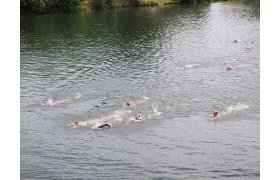
Nutrition for Swimming
Swimming can be taxing on the body, even though it’s a non-weight bearing exercise. Here are some nutrition tips tailored for the swim segment:
- Pre-Swim Fuel: Aim to consume a light meal or snack rich in carbohydrates about 1 to 2 hours before your swim. Options include a banana, bagel with honey, or oatmeal.
- Hydration: Swim training can lead to dehydration. Drink water hydrating before your session and immediately after, especially during long swims or open water training.
- Post-Swim Recovery: Refuel with a meal that combines protein and carbohydrates to support muscle recovery. A smoothie with protein powder, fruit, and yogurt is an excellent option.
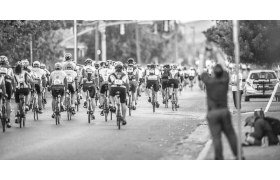
Nutrition for Cycling
Cycling represents one of the longer segments of a triathlon, so energy management here is critical:
- Pre-Ride Nutrition: Eat a balanced meal two to four hours before your ride, including carbs, protein, and healthy fats.
- On-the-Bike Nutrition: During longer rides (over 90 minutes), consume 30-60 grams of carbohydrates per hour. Energy gels, chews, or low-fiber bars are excellent choices. Additionally, hydrate regularly with water or an electrolyte drink.
- Post-Ride Recovery: A nutrient-rich meal post-ride is crucial for replenishing glycogen stores and repairing muscles. Consider a whole-grain wrap with turkey and veggies, alongside a carbohydrate-rich side.
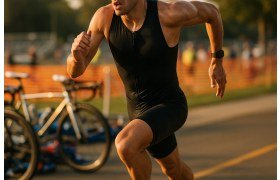
Nutrition for Running
Like cycling, running requires significant energy, particularly in the longer distances:
- Pre-Run Fuel: Ideally, eat a meal 3-4 hours prior to running to avoid any gastrointestinal distress. A good option is brown rice or quinoa with chicken and veggies.
- During the Run: For runs lasting more than 90 minutes, take in carbohydrates as you approach the halfway point. Sports drinks, gels, or fruit can help maintain energy levels.
- Post-Run Recovery: Restore your glycogen levels and promote muscle recovery with chocolate milk, a protein shake, or a balanced meal within 30 minutes of finishing.
Hydration Strategies
Hydration is often overlooked, yet it plays a crucial role in performance and recovery. Here are some strategies:
- Daily Hydration: Aim to drink at least 2-3 liters of fluids a day, adjusting based on workout intensity and environment.
- During Training: In workouts longer than an hour, hydration should include electrolytes. Switch between water and sports drinks to avoid imbalances.
- Post-Training Hydration: Rehydrate after training to replace fluids lost. Include electrolytes in your recovery drinks when appropriate.
Meal Planning and Timing
Meal planning is essential for triathletes to ensure they have the necessary fuel ready for training sessions:
- Weekly Planning: Prepare meals in advance to avoid making poor choices due to time constraints or convenience.
- Timing Your Meals: Follow a schedule of eating smaller meals throughout the day to optimize energy levels.
Supplement Considerations
Though whole foods should be your primary source of nutrition, certain supplements can aid performance:
- Protein Powder: Useful for muscle recovery after workouts or when whole food options aren't available.
- Branched-Chain Amino Acids (BCAAs): May help reduce muscle soreness and improve recovery.
- Electrolyte Supplements: Beneficial during long training sessions or hot conditions to maintain hydration.
Monitoring Your Nutrition Strategy
Understanding how your body reacts to various foods is key. Keep track of your nutrition strategies and adjust based on performance and health:
- Keep a Food Diary: Document what you eat, when you eat it, and how your body responds during workouts.
- Consult a Nutritionist: Consider working with a sports nutritionist to tailor a diet specific to your needs and performance goals.
Conclusion
Ultimately, mastering your nutrition strategy is a vital component of preparing for a triathlon. By fueling adequately for your swim, cycle, and run, you'll not only enhance your performance but also boost your overall health and well-being. The correct approach to carbohydrates, proteins, hydration, and timing can make a significant difference in your readiness for race day. Embrace these nutrition tips to enjoy a fulfilling triathlon experience!
🧠 FAQ - Proper Nutrition for Triathlon Preparation
❓ What should I eat before a triathlon?
It’s recommended to consume a balanced meal rich in carbohydrates 3-4 hours before the race. Options might include oatmeal, a banana, or a whole-grain wrap with protein.
❓ How can I stay hydrated during a triathlon?
Drink regularly at aid stations and consider using sports drinks that provide electrolytes during longer segments to maintain hydration levels.
❓ How important is recovery nutrition after training?
Extremely important! Ensuring you have a nutrient-rich meal post-training can help replenish glycogen stores and support muscle recovery.
❓ Should I take supplements while training for a triathlon?
Whole foods should always be your primary source of nutrition. Supplements like protein powder or electrolytes can help under specific circumstances but are not a substitute for a balanced diet.
❓ How long before a race should I stop eating?
Aim to finish your last meal 3-4 hours before the race starts to allow for digestion. A small snack can be consumed closer to race time if needed.
❓ Can I follow a vegetarian or vegan diet and be a successful triathlete?
Absolutely! Many triathletes thrive on plant-based diets. Ensure you consume a variety of whole foods that meet your nutritional needs, focusing on protein sources and diverse carbohydrates.
For more insights on how nutrition enhances triathlete performance by optimizing recovery, motivation, and mental preparation, click here.