Optimize Your Nutrition During Triathlon Swimming Training and Races. Avoid Fatigue, Maximize Energy.
By Sarah Published on 23/12/2025 at 19h01 — modified on 22/12/2025 at 19h01 Reading time : 3 minutes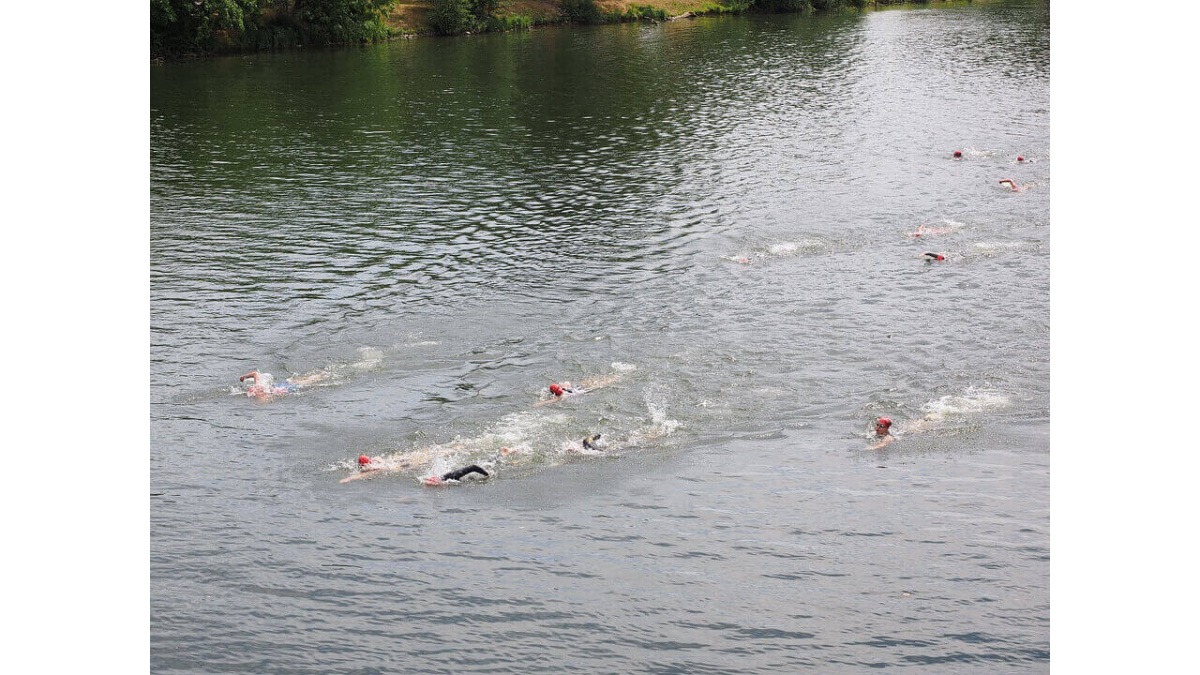
Introduction to Nutrition in Triathlon Swimming
Triathlon swimming is more than just a phase of the race; it's a pivotal component that can significantly affect your performance throughout the event. As an endurance athlete, optimizing your nutrition during training and races is crucial for maintaining energy levels, enhancing stamina, and preventing fatigue. In this article, we will delve into the essential nutrition strategies that triathletes can adopt to ensure they are well-fueled for swimming, training sessions, and race day.
Understanding Energy Requirements for Swimming
The physical demands of swimming in a triathlon are unique and can drain your energy reserves quickly. Unlike biking or running, swimming engages multiple muscle groups simultaneously, requiring substantial energy.
Energy Expenditure in Swimming
Swimming generally burns between 500 to 700 calories per hour, depending on intensity and body composition. Understanding your energy needs allows you to create a nutrition strategy that meets these requirements while preventing fatigue.
Pre-Training and Pre-Race Nutrition
Your nutrition before training and race days lays the foundation for your performance. Proper fueling can make all the difference in swimming efficiency and endurance.
Carbohydrate Loading
Carbohydrates are your body’s primary energy source, especially during high-intensity activities like swimming. Two to three days before your event, consider a carbohydrate-loading strategy. Aim for 8-10 grams of carbohydrates per kilogram of body weight to maximize glycogen stores.
Pre-Training Meals
- Timing: Eat a meal rich in carbohydrates about 3-4 hours before your training session or race.
- Meal Components: A well-rounded meal should contain proteins, healthy fats, and low-glycemic index carbohydrates. Examples include oatmeal with fruit, whole-grain pasta with chicken, or a smoothie with bananas and yogurt.
Hydration Strategies
Hydration is vital for maintaining optimal performance during training and races. Dehydration can significantly impact your performance in the water.
Pre-Hydration
Start hydrating at least a day before your training or race. Aim to consume at least 500 mL of water 4 hours prior to training and include electrolytes if swimming in longer sessions.
During Training and Races
For training sessions longer than an hour, you should be consuming a carbohydrate-electrolyte drink. Ideally, you want to drink around 150-200 mL every 15-20 minutes during your swim.
Nutrition During Training and Races
In longer triathlons, fueling during the swim might not be feasible, but your nutrition strategy transitions when you exit the water. It’s essential to consume easily digestible foods that will replenish your energy swiftly.
Post-Swim Fuels
- Bananas or energy gels: easy to digest and fast-acting carbohydrates.
- Protein bars: Helps in recovery without feeling too heavy in your stomach.
Transition Nutrition
During T1 (the transition from swimming to biking), aim for a quick snack or drink that contains carbohydrates and some protein to prepare your body for the next leg of the event.
Post-Training and Race Nutrition
After swimming or completing a race, recovery is key, and this includes nutrition.
Recovery Window
The first 30-60 minutes after your training or race is your golden window for recovery nutrition. Aim for a 3:1 carbohydrate-to-protein ratio to facilitate glycogen replenishment and muscle repair.
Suggested Recovery Foods
- Chocolate milk: Provides carbs and protein alongside hydration.
- Protein smoothie: Blend protein powder with fruits and spinach for a nourishing post-workout drink.
Common Nutritional Mistakes to Avoid
Even seasoned athletes can fall prey to certain nutritional pitfalls that can sabotage performance.
Under-fueling
One of the most common mistakes is not consuming enough calories in the days leading up to training or races. Listen to your body, and ensure you are fueling adequately.
Ignoring Hydration
Failing to hydrate effectively can lead to decreased performance and increased fatigue. Always have a hydration plan in place.
The Role of Supplements
While a well-balanced diet should be your primary source of nutrition, certain supplements can aid in performance and recovery when used correctly.
Common Supplements for Triathletes
- Electrolyte tablets: Useful during long training sessions or races where sweat loss is significant.
- Protein powder: A convenient way to reach protein needs post-exercise, especially if whole foods are not accessible.
Conclusion
By optimizing your nutrition throughout every phase of your triathlon swimming training and races, you not only improve your performance but also prevent fatigue and ensure you finish strong. Incorporate these strategies, listen to your body, and make adjustments to find the nutritional balance that works best for you. Remember, fueling your body right is as crucial as training hard. For further insights, Discover How Nutrition Fuels Performance Without Compromising Your Health.
🧠 FAQ - Nutrition for Triathlon Swimming
❓ What should I eat before a swimming training session?
Eat a meal rich in carbohydrates about 3-4 hours prior. Options include oatmeal with fruit or whole-grain pasta with protein.
❓ How important is hydration during training races?
Hydration is crucial. Aim for 150-200 mL of electrolyte drink every 15-20 minutes during long swimming sessions.
❓ What recovery food should I consume after swimming?
Consume a 3:1 ratio of carbohydrates to protein within 30-60 minutes post-exercise, like a protein smoothie or chocolate milk.
❓ Can I use supplements instead of food for nutrition?
While supplements can help, they should complement a balanced diet, not replace whole food sources of nutrition.
❓ How can I avoid fatigue during a triathlon?
Proper fueling with carbohydrates, hydration, and focusing on recovery strategies can substantially reduce fatigue during a triathlon.
❓ What should I consume during a transition after swimming?
Quick snacks like energy gels or bananas are ideal to maintain energy levels as you transition to the cycling phase.