10 Essential Items to Remember for Your Next Triathlon – Avoid Surprises on Race Day!
By Sarah Published on 17/12/2025 at 07h00 — modified on 16/12/2025 at 07h00 Reading time : 3 minutes
Introduction
As the date of your triathlon approaches, the excitement and anxiety can be overwhelming. To ensure a smooth race day experience, it's crucial to have all the right gear at your disposal. Forgetting even a single item can lead to stress, delays, or a less-than-optimal performance. In this article, we'll outline the ten essential items you need to remember for your next triathlon. Whether you're a seasoned competitor or a first-time participant, having the right equipment can make a world of difference. Let's dive in!
1. Triathlon Suit
Your triathlon suit is perhaps the most critical piece of gear. Designed to be worn throughout the entire race, it provides comfort in the water, on the bike, and during the run. A good tri-suit is made of quick-drying fabric and has minimal seams to reduce chafing.
**Tip:** When trying on suits, ensure a snug fit but not too tight. You want enough flexibility for movements without any excess material that may slow you down.
2. Swim Cap
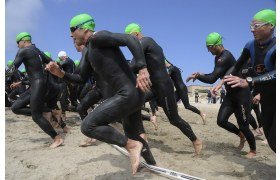
Most races require participants to wear a swim cap—either provided by the race organizers or in your possession. The cap helps streamline your swim and keeps your hair out of your face. Plus, it can aid visibility and safety in the water.
**Tip:** Consider bringing an extra swim cap as a backup. You never know when you might lose one during your warm-up!
3. Goggles
Good visibility is key when swimming, especially in open water. Invest in a pair of quality goggles that fit comfortably and don’t leak. Look for features like anti-fog coating and UV protection for sunny days.
**Tip:** Always bring an extra pair to the race—water can unexpectedly damage your gear, and you want to be prepared!
4. Bike
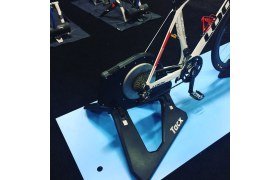
Your bike is your lifeline during the cycling segment of your triathlon. Make sure it is well-maintained, and do a thorough check of the tires, brakes, and gears leading up to race day. If you’re taking your bike on a trip, ensure that it is securely packed for transport.
**Tip:** Consider a professional bike fitting to optimize comfort and performance. Proper fit can enhance your efficiency and decrease the chance of injury.
5. Cycling Shoes
If you’re using clipless pedals, don’t forget your cycling shoes! These shoes maximize your energy transfer to the pedals and provide a more efficient ride. Ensure they are compatible with your pedal system.
**Tip:** Practice transitioning from cycling to running with your shoes on to prevent any discomfort on race day.
6. Nutrition and Hydration
Staying fueled is crucial for success in a triathlon. Plan your nutrition and hydration strategies well in advance. Pack energy gels, bars, and electrolytes to keep you energized throughout the race.
**Tip:** Practice your nutrition strategy during training to avoid any gastrointestinal distress on race day. Your body needs to be accustomed to the fuel you plan to use!
7. Transition Gear
Your transition zone is where you change from swimming to cycling and cycling to running. A transition bag is essential for keeping your gear organized and easily accessible. Include items such as a towel, sunglasses, race belt, and any other accessories you might need.
**Tip:** Create a checklist of your transition items and make sure everything is packed the night before the race.
8. Running Shoes
Your choice of running shoes can significantly influence your performance. Proper-fitting shoes tailored to your foot type and gait analysis will support you throughout the run segment of your triathlon.
**Tip:** Take the time to break in your shoes before race day. Find the Perfect Running Shoes for Triathlon: A Complete Guide to Optimize Your Transitions and Performance.
9. Safety Gear
Safety is paramount, especially during the bike segment. Ensure you have a properly functioning helmet that meets safety standards. Additionally, consider using reflective gear or a high-visibility vest if the race conditions require it.
**Tip:** Take a few minutes to check all straps and buckles before the race to ensure a secure fit.
10. Mental Preparation
While the focus is often on physical gear, mental preparation is equally important. Make sure to visualize your race day, including your transitions, to create a mental map of where you should be and what you should be doing at any given time. This technique helps reduce anxiety and enhances your focus.
**Tip:** Engage in relaxation techniques or mindfulness leading up to the race to keep nerves at bay.
Conclusion
Preparing for a triathlon requires meticulous planning, and assembling the right gear is a critical component of that preparation. From your tri-suit to your running shoes, each item plays a significant role in how well you perform on race day. By following this guide and ensuring you have these ten essential items packed and ready, you can focus on what truly matters: enjoying the race and showcasing your hard-earned training!
🧠 FAQ - Triathlon Gear Essentials
❓ What should I wear under my triathlon suit?
It’s best to wear no additional clothing under your triathlon suit to minimize chafing. The suit is designed to be worn alone.
❓ How should I pack my transition bag?
Organize your transition bag by sections: swimming gear, cycling gear, and running gear. Use a checklist to ensure nothing is left behind!
❓ Can I wear my training shoes in a triathlon?
While you can wear your training shoes, it's recommended to use specific triathlon running shoes that are lighter and more optimized for quick transitions.
❓ How do I prevent chafing during a triathlon?
Use anti-chafe cream on susceptible areas, wear a well-fitted tri-suit, and avoid wet clothing on the bike and run segments.
❓ What type of hydration system is best?
Depending on the race distance, options include bike-mounted bottles, hydration belts, or handheld bottles. Choose what feels most comfortable during training.
❓ Should I wear my triathlon suit during training?
Yes, wearing your triathlon suit during training can help you get accustomed to it and identify any fit or comfort issues before race day.