Is Minimalist Footwear Right for You? Definition, 5 Key Criteria, Benefits and Risks. An Objective Guide for a Smooth Transition.
By Sarah Published on 04/12/2025 at 07h01 — modified on 03/12/2025 at 07h01 Reading time : 3 minutes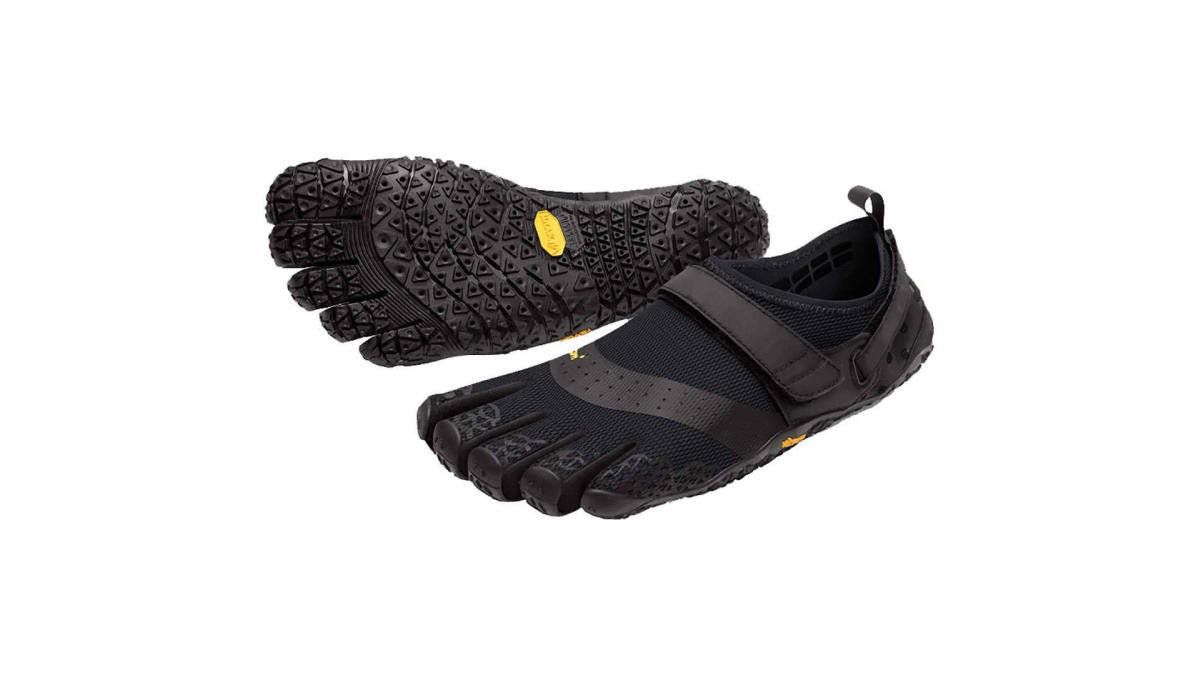
Understanding Minimalist Footwear
Minimalist footwear, often described as a type of shoe that allows more natural movement of the foot, has grown in popularity among endurance athletes and casual runners alike. Unlike traditional shoes that tend to provide a higher level of cushioning and support, minimalist shoes usually feature a lower profile, lighter weight, and a more flexible design.
The appeal of these shoes lies in the idea that they promote a more natural running gait, potentially leading to a stronger foot structure and reduced injuries. However, transitioning to minimalist shoes requires careful consideration and evaluation.
5 Key Criteria for Assessing Minimalist Footwear
- Foot Shape and Fit
- Drop and Cushioning
- Flexibility
- Weight
- Purpose and Terrain
The first criterion for choosing minimalist footwear is ensuring they fit your foot shape. This includes accommodating your arch height, toe box width, and overall length. Consider trying on different brands and models, as fit can vary widely.
Minimalist shoes typically have a low heel-to-toe drop (often 0-4mm), promoting a more natural footstrike. Assess whether you are comfortable with this lower drop, as it can encourage forefoot striking, which is different from the typical heel strike associated with traditional running shoes.
One of the hallmarks of minimalist shoes is flexibility. The material should allow your foot to move as it naturally would, thus enhancing the relationship between your feet and the ground. Bend the shoe in various directions to test this flexibility.
Weight is crucial in performance sports. Minimalist shoes are usually significantly lighter than traditional shoes, which can enhance your speed and reduce fatigue during long runs or races. Remember that every ounce counts when you're striving for endurance.
Last but not least, consider where and how you plan to use your minimalist shoes. Different terrains require specific types of traction and stability, so pick your shoes based on whether you’re running on pavement, trails, or engaging in mixed-use activities.
Benefits of Minimalist Footwear
The shift to minimalist footwear offers numerous potential advantages for endurance athletes:
- Improved Proprioception
- Strengthening of Foot Muscles
- Better Running Form
- Enhanced Sensory Feedback
Minimalist shoes enhance proprioception—the awareness of your body's position in space—allowing you to respond more effectively to uneven terrain.
Wearing minimalist shoes can help strengthen the intrinsic muscles of the foot and improve overall foot health by encouraging natural motion.
Many athletes find that transitioning to minimalist footwear promotes a more efficient running style, which can lead to better performance and reduced impact-related injuries.
Minimalist footwear allows increased sensation through the foot, which can lead to an improved running experience, especially on trails or uneven surfaces.
Risks Associated with Minimalist Footwear
While there are many benefits, transitioning to minimalist footwear is not without risks. Here are some considerations:
- Increased Injury Risk
- Adaptation Period Required
- Biomechanical Changes
For athletes who have primarily worn traditional shoes, making a sudden switch to minimalist shoes can increase the risk of injuries such as plantar fasciitis or Achilles tendinopathy, especially if not approached gradually.
It may take quite some time (weeks to months) to adapt to the change in footwear and running mechanics. One should start with short distances and gradually increase as comfort allows.
Transitioning to minimalist shoes may alter your running biomechanics, which can lead to discomfort until your body adjusts. Monitoring pain levels and adjusting training accordingly is critical.
How to Transition to Minimalist Footwear Smoothly
Here’s a step-by-step approach to transitioning into minimalist footwear:
- Start Slow - Introduce minimalist shoes into your routine slowly. Start with short runs or wear them during warm-ups.
- Focus on Form - Pay attention to your running technique. A forefoot strike and maintaining a good posture can help diminish the risk of injury.
- Listen to Your Body - Take note of discomfort or pain and adjust your progression accordingly. If needed, revert to your previous footwear until you feel ready.
- Strengthen Your Feet - Incorporate foot-strengthening exercises into your routine, such as toe lifts and towel grabs.
- Monitor Your Mileage - Gradually increase your mileage in minimalist footwear, staying vigilant for signs of overtraining.
Conclusion
Choosing minimalistic footwear can be an exciting yet challenging decision for endurance athletes. It demands a solid understanding of your personal biomechanics, training habits, and specific athletic goals. By carefully evaluating the five key criteria, considering the benefits and risks, and transitioning gradually, you can determine if minimalist footwear is a suitable option for you. Embrace the journey, and remember, every step counts toward enhancing your performance!
🧠 FAQ - Minimalist Footwear
❓ What is minimalist footwear?
Minimalist footwear refers to shoes designed to provide minimal cushioning and support, allowing for a more natural movement and foot strike.
❓ Who should consider minimalist shoes?
Endurance athletes seeking to improve their running form or build foot strength may find minimalist shoes beneficial, though it's essential to transition gradually.
❓ Can I wear minimalist shoes for trail running?
Yes, many minimal shoes are designed for specific terrains, including trails, offering a lighter feel and enhanced ground contact.
❓ How do I know if minimalist shoes are right for me?
Consider your foot shape, running style, and comfort level. If you have pre-existing injuries or conditions, consult a healthcare professional before making a switch.
❓ How long should I transition to minimalist shoes?
The transition period varies, typically ranging from a few weeks to several months. Start with short runs and increase as your body adapts.
❓ What are some common injuries associated with switching to minimalist footwear?
Common injuries may include plantar fasciitis, Achilles tendinopathy, and stress fractures, often due to a lack of gradual adaptation.