Everything You Need to Know About Smart Home Trainers and Apps: Major Brands, Models, and Prices
By Sarah Published on 10/12/2025 at 19h01 — modified on 09/12/2025 at 19h01 Reading time : 3 minutes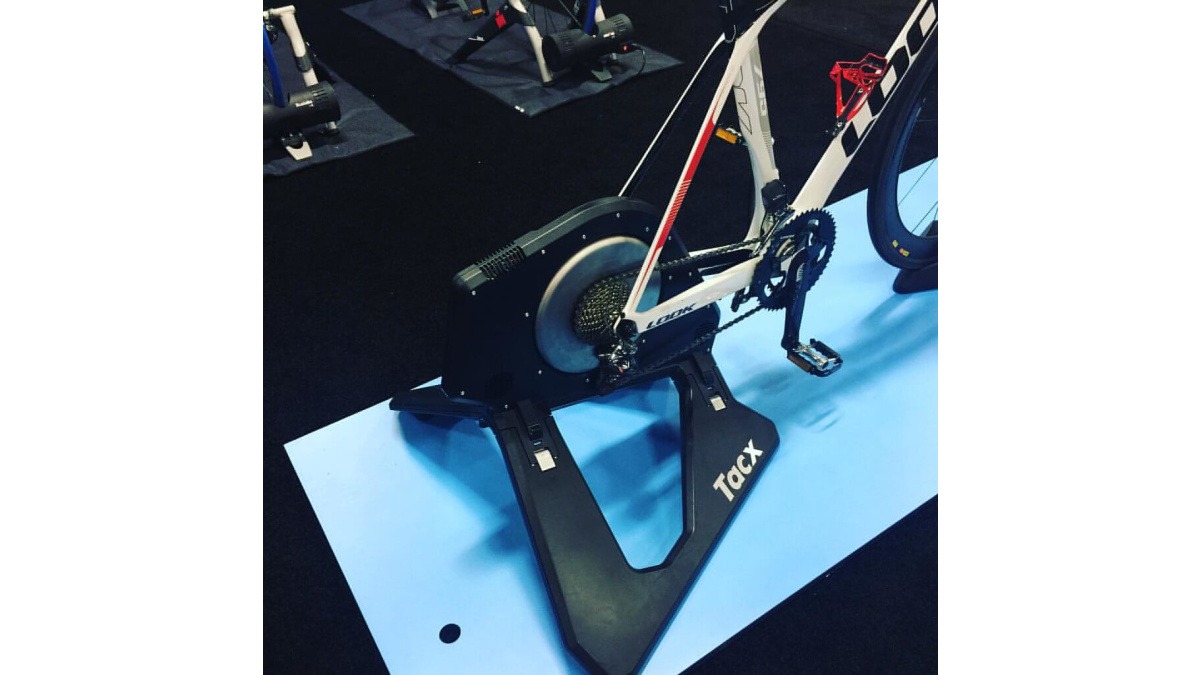
Introduction to Smart Home Trainers
In the realm of endurance sports, the way athletes train has dramatically evolved with the advent of smart home trainers and their accompanying applications. Whether you're a triathlete, cyclist, or an athlete looking to enhance your running performance, these tools allow for a highly customizable training experience that can fit into any schedule.
What is a Smart Home Trainer?
Smart home trainers are stationary bike setups that connect to your bike, allowing you to ride indoors while simulating outdoor conditions. They can replicate varying terrains, adjust resistance based on your output, and integrate seamlessly with various training apps.
Types of Smart Home Trainers
- Direct Drive Trainers: These trainers replace the rear wheel of your bike and provide a highly stable exercise experience. Examples include the Wahoo KICKR and Tacx Neo 2T.
- Wheel-On Trainers: These trainers allow you to keep your rear wheel attached to the bike while offering a less stable platform. Popular choices include the CycleOps Fluid2 and the Elite Qubo.
- Smart Rollers: These stand-alone trainers require more balance and technique, making them ideal for skilled athletes. Examples include the Elite Arion and the KICKR Bike.
Popular Smart Trainer Brands and Models
With various brands flooding the market, it's essential to know which ones are regarded as the best among endurance athletes.
Wahoo Fitness
The Wahoo KICKR line is one of the most respected in the industry. They offer a range of features such as:
- High Power Output: Supports up to 2,200 watts.
- Accurate Data: ±1% accuracy for reliable performance measurement.
- Integrated Smart Features: Compatibility with multiple apps.
Tacx
Tacx trainers, especially the Neo 2T, are revered for their silent operation and advanced features. Key selling points include:
- Realism: Can simulate slopes up to 25%.
- Interactive Training: Connects to various platforms like Zwift and TrainerRoad.
Elite
Elite trainers offer a range of options suitable for beginners and advanced athletes alike. The Elite Suito, for example, comes equipped with:
- Plug-and-Play Setup: Very user-friendly for those just starting.
- Robust Design: Can accommodate various bike sizes and types.
Smart Training Apps: Enhancing Your Experience
Compatibility with apps is crucial for maximizing the potential of your smart home trainer. Here are some of the most popular training apps:
Zwift
Zwift is an immersive cycling app that connects with your smart trainer to provide a gamified experience. You can ride alongside athletes from all over the world and engage in structured workouts.
TrainerRoad
TrainerRoad emphasizes a data-driven approach, focusing on interval training and personalizing workouts based on your FTP (Functional Threshold Power).
Rouvy
Rouvy blends real-world videos with smart training, enhancing the visual aspect of indoor cycling while keeping track of your statistics.
Prices: What to Expect When Buying a Smart Home Trainer
The price of a smart home trainer can vary significantly based on features, accuracy, and brand reputation. Here’s a general overview:
- Entry-Level Trainers: Expect to pay between $300-$600. These include basic smart capabilities but may lack advanced features.
- Mid-Range Trainers: These typically range from $600-$1,200 and offer greater accuracy and integration with popular training apps.
- High-End Trainers: Prices can range from $1,200 to $2,000 or more for professional-grade trainers that offer the most comprehensive range of features and accuracy.
Certification and Reviews: Choosing the Best Equipment
When you’re investing in a smart trainer, consider checking if it meets industry standards and reviews from other endurance athletes. Platforms such as:
- CycleGenius
- Bicycle Review
- DC Rainmaker
Key Considerations
While selecting a smart home trainer, consider factors such as:
- Your Training Goals: Are you training for events, or looking to maintain fitness?
- Available Space: Ensure you have adequate space for the trainer.
- Noise Levels: Some trainers are louder than others, which may be a consideration in shared living spaces.
Setting Up Your Smart Home Training Space
Proper setup can greatly enhance your training experience. Here’s how to optimize your space:
- Ventilation: Good airflow can prevent overheating during intense sessions.
- Floor Protection: Use mats to protect your floor from sweat and prevent any sliding.
- Ergonomics: Have your bike adjusted to your height for the best comfort during long rides.
Conclusion
Smart home trainers are invaluable tools for endurance athletes looking to enhance their performance. With the right trainer and app, you can create a productive, engaging training environment right in your home. Make sure to weigh your options carefully, consider the features that best suit your training needs, and enjoy the ride!
🧠 FAQ - Smart Home Trainers and Apps
❓ What is the best smart trainer for beginners?
The Elite Suito is highly recommended for beginners due to its user-friendly setup and affordability, offering reliable smart features.
❓ Can I connect my smart trainer to my phone?
Yes, most smart trainers are compatible with various apps that can be downloaded on your smartphone, allowing for a streamlined setup.
❓ How much should I budget for a smart home trainer?
Entry-level models start around $300, while mid-range options can go from $600 to $1,200, and high-end trainers often exceed $1,200.
❓ Are smart trainers noisy?
Noise levels vary by model; direct drive trainers are generally quieter than wheel-on trainers. Models from brands like Tacx are particularly known for their silent operation.
❓ Can I use a smart trainer for running?
While smart trainers are primarily for cycling, there are apps like Zwift that have running simulations. You may require special equipment (like a treadmill) to fully engage in these environments.
❓ Do smart trainers require frequent calibration?
Calibration frequency varies by model. It's generally recommended to calibrate before significant workouts or once a month to ensure accuracy.