Stay on Track! Learn What and When to Eat During Your Running for Triathlon or Trail to Avoid Hitting the Wall.
By Sarah Published on 22/12/2025 at 07h00 — modified on 21/12/2025 at 07h00 Reading time : 3 minutes
Understanding the Basics of Nutrition for Endurance Sports
As an endurance athlete, knowing what to eat and when can make a significant difference in your performance. Proper nutrition supports your training, helps you recover, and ensures that you can go the distance without hitting the wall. Whether you're gearing up for a triathlon or tackling a challenging trail run, understanding your nutritional needs is essential.
What Does 'Hitting the Wall' Really Mean?
'Hitting the wall' often describes a situation during endurance races when an athlete experiences a sudden loss of energy and feels unable to continue. This can happen due to carbohydrate depletion and is most commonly experienced in events lasting over two hours. Understanding how to prevent this phenomenon through smart nutrition strategies is crucial.
Macronutrients: The Building Blocks of Endurance Nutrition
To effectively fuel your runs, familiarize yourself with the three macronutrients:
- Carbohydrates: Your primary source of energy during running.
- Proteins: Essential for muscle repair and recovery.
- Fats: A secondary energy source for longer-duration activities.
Endurance athletes typically need a higher carbohydrate intake, especially leading up to races and during long training sessions. During training, aim for 6-10 grams of carbohydrates per kilogram of body weight per day. This will ensure sufficient glycogen stores to avoid fatigue.
When to Eat: Timing Your Nutrition
Having the right nutrition strategy involves understanding not just what to eat, but also when to eat it. Timing your meals and snacks can significantly impact your energy levels during training and racing.
Before Your Run
In the hours leading up to a run, focus on consuming easily digestible carbohydrates. A meal containing moderate protein and low fat is ideal. Here’s a suggested plan:
- 3-4 hours before training: A meal of oatmeal with banana and almond milk, or brown rice with chicken.
- 30-60 minutes before training: A banana, an energy gel, or a sports drink.
During Your Run
During longer runs (over 90 minutes), consuming carbohydrates is vital to maintain energy levels. Here are effective strategies:
- Take an energy gel or chews every 30-45 minutes.
- Drink a sports drink that contains electrolytes and carbohydrates.
- Consider eating whole foods like dried fruit if you can tolerate them.
After Your Run
Post-workout recovery is just as crucial as pre-run fueling. Within 30 minutes of finishing your run, consume a mix of carbs and protein. This can include:
- A protein shake with a banana.
- Yogurt with mixed berries.
- Chocolate milk, which is a favorite among many athletes!
Hydration: A Key Component
Proper hydration can’t be overlooked. Dehydration can negatively impact endurance and performance. Here are some guidelines:
- Drink water regularly throughout the day, aiming for at least 2.5-3 liters.
- During long runs over 90 minutes, consider using electrolyte drinks to replenish lost salts.
- Monitor your hydration status through urine color: pale yellow indicates good hydration.
Special Considerations for Triathletes
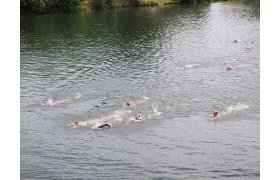
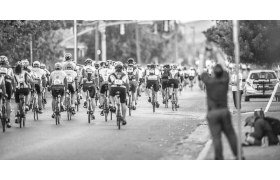
For triathletes, the need to balance nutrition during three sports (swimming, cycling, running) means strategic planning. Practice your race-day nutrition during training. Here’s what to consider:
- Understand how different foods feel in your stomach during each leg of the triathlon.
- Incorporate energy gels, chews, or even solid foods during cycling, as it often offers a steadier platform for intake than running.
- Transition to running after cycling feeling as fuel-efficient as possible.
Common Mistakes and How to Avoid Them
Despite the best planning, mistakes can happen. Here are some common pitfalls and tips to avoid them:
- Not practicing: Always test nutrition strategies during training to see what works for you on race day.
- Underestimating calorie needs: Pay attention to how much you're burning and ensure your intake matches your output.
- Ignoring hydration: Hydration should be as much a part of your routine as eating.
Mind the Psychological Aspect of Nutrition
Nutrition is not only a physical necessity but also has psychological dimensions. A well-structured eating plan can boost your confidence and performance. Here are ways to strengthen your mindset around nutrition:
- Prepare meals ahead: Ensure you have nutritious options readily available.
- Visualize success: Imagine how your nutrition will support your goals.
- Stay adaptable: Be willing to adjust plans based on how you feel.
Conclusion
Staying on track with your nutrition during triathlons or trail runs is essential to avoid hitting the wall. By understanding the right balance of macronutrients and timing your intake effectively, you can ensure peak performance. Focus on listening to your body, testing different strategies, and continuously learning about your unique nutritional needs. This commitment will set you up for success in your endurance endeavors!
For more information on fueling your workouts, check out our article on Essential Nutrition Tips for Athletes: From Triathlon to Trail.
🧠 FAQ - Nutrition Strategies for Endurance Athletes
❓ What should I eat before a long run?
Consume easily digestible carbohydrates, like oatmeal or a sports drink, 30 to 60 minutes before your run.
❓ How often should I eat during long endurance events?
Aim to eat every 30-45 minutes during events lasting longer than 90 minutes, using gels or chews.
❓ How much water should I drink while running?
Hydrate regularly throughout the day, and drink fluids during runs, especially those over 90 minutes.
❓ What is the best recovery food after running?
A combination of carbohydrates and protein, like a protein shake with a banana, is ideal post-run.
❓ How can I avoid hitting the wall in a race?
Practice proper nutrition during training, ensure adequate carbohydrate intake, and hydrate consistently.
❓ Is it important to test nutrition strategies before race day?
Yes, testing your nutrition strategies during training can help identify what works best for you on race day.