Active Visualization: Transforming Your Triathlon Performance
By Sarah Published on 24/12/2025 at 19h00 — modified on 23/12/2025 at 19h00 Reading time : 3 minutes Image credit: AI Generated
Understanding Active Visualization
Active visualization is a powerful mental technique that combines imagination with a sense of real experience. In the world of endurance sports, especially triathlon, where physical endurance must align with mental strength, visualization can play a crucial role in enhancing both training performance and race outcomes.
Why Active Visualization Matters in Triathlon
Triathlons are multifaceted events comprising swimming, cycling, and running, requiring athletes to excel in both physical and mental aspects. Visualization allows athletes to mentally rehearse their races, preparing for various scenarios and enhancing their focus when competition day arrives.
The Science Behind Visualization
Research shows that visualization can activate the same brain areas as actual performance. A study published in the journal Sports Medicine indicated that mental imagery could enhance motor skills and athletic performance. This means that when athletes practice visualization, they are effectively training their brain to replicate physical skills in a performance context.
Benefits of Active Visualization for Triathletes
- Increased Confidence: By visualizing successful outcomes, athletes build mental resilience and confidence, essential for race day.
- Stress Reduction: Visualization can help decrease anxiety, allowing athletes to remain calm and focused during competition.
- Improved Focus and Concentration: A clear mental image helps develop laser-like focus, maintaining concentration throughout the event.
- Enhanced Performance: Consistent mental practice can lead to measurable improvements in physical performance.
How to Implement Active Visualization in Your Training
Incorporating active visualization into your training routine is easier than you might think. Here are some practical strategies to get started:
1. Find a Quiet Space
Choose a quiet and comfortable location where you won't be disturbed. This could be your home, a park, or any space where you feel relaxed.
2. Close Your Eyes
Once settled, close your eyes and take a few deep breaths. Release any tension in your body as you prepare to visualize.
3. Create Vivid Scenarios
Imagine yourself at different stages of the triathlon:
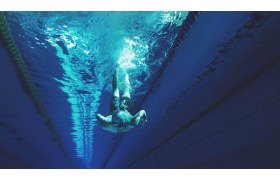
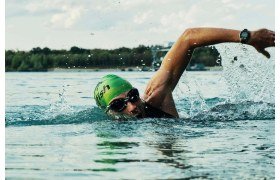
- **Swimming:** Visualize the calm water, the sound of your breathing, and the rhythm of your strokes.
- **Cycling:** Picture yourself effortlessly pedaling along the course, feeling the wind on your face and the power in your legs.
- **Running:** Envision crossing the finish line, feeling the joy of achievement and the energy of the crowd around you.
4. Engage All Your Senses
To make your visualization more impactful, engage all your senses during the process. Feel the water temperature, hear the sounds of nature or the crowd, and even smell the scent of the surroundings.
5. Repeat Regularly
Practice your visualization techniques regularly, ideally several times a week. Integrate it with your physical training sessions to further strengthen the mental connection.
Combining Active Visualization with Physical Training
Active visualization is most effective when combined with physical training. Here's how to create a harmonious balance between the two:
- After Workout Reflection: Spend a few moments after each training session to visualize the next workout; for example, picture the swim section if that was today’s focus.
- Pre-Race Routine: Use visualization as part of your pre-race routine to reinforce your strategy and boost your confidence.
- In-Peak Training: When performing high-intensity training, visualize yourself succeeding at each intensity level. This mental rehearsal prepares your mind and body for race conditions.
Mindset and Mental Strategies Alongside Visualization
Aside from visualization, triathletes can further improve their mental approach through various complementary strategies:
- Goal Setting: Set clear, achievable goals for each training block and race. Goals help keep you focused and motivated.
- Journaling: Keep a training journal detailing workouts, feelings, and visualizations. This process cultivates self-awareness and allows for structured reflection.
- Mindfulness and Meditation: Incorporate mindfulness practices into your routine to enhance your focus and emotional control.
Common Mistakes to Avoid
As you integrate active visualization, be mindful of some common pitfalls:
- Neglecting Consistency: Infrequent practice can limit the effectiveness. Aim for regular sessions.
- Overly Negative Visualizations: Always strive to visualize positive outcomes and scenarios. Focusing on negative experiences can hamper performance.
- Failing to Connect with Reality: Ensure your visualizations are grounded in actual training experiences—this brings authenticity to your practice.
Conclusion: Unlock Your Triathlon Potential Using Active Visualization
Active visualization is more than a mystical concept; it is a mental training tool that can transform your approach to triathlon. By leveraging this technique, you equip yourself with not just a vision of success, but the mental fortitude to achieve it. Remember to practice consistently and integrate these visualization strategies within your overall training routine, and watch your performance skyrocket!
🧠 FAQ - Active Visualization in Triathlon
❓ What is active visualization?
Active visualization is a mental technique where athletes create vivid images of their performance, enhancing focus and confidence during training and competition.
❓ How can visualization improve triathlon performance?
Visualization allows triathletes to mentally rehearse scenarios, reducing anxiety and improving focus, which can lead to better performance on race day.
❓ How often should I practice visualization?
Aim to practice visualization several times a week, ideally integrating it into your training routine to maximize its effectiveness.
❓ Can visualization help with race anxiety?
Yes, visualization can reduce race anxiety by allowing athletes to prepare mentally for various scenarios, fostering a sense of control and confidence.
❓ Is there any scientific research supporting visualization?
Yes, research has shown that visualization activates the same brain areas as actual performance, enhancing motor skills and athletic performance.
❓ What are some common mistakes in visualization?
Common mistakes include neglecting consistency, focusing on negative outcomes, and failing to connect visualizations with actual training experiences.