Improve Your Swimming Performance for Triathlon: Discover Effective Exercises and Training Plans for the Water Segment
By Sarah Published on 20/12/2025 at 07h01 — modified on 19/12/2025 at 07h01 Reading time : 3 minutes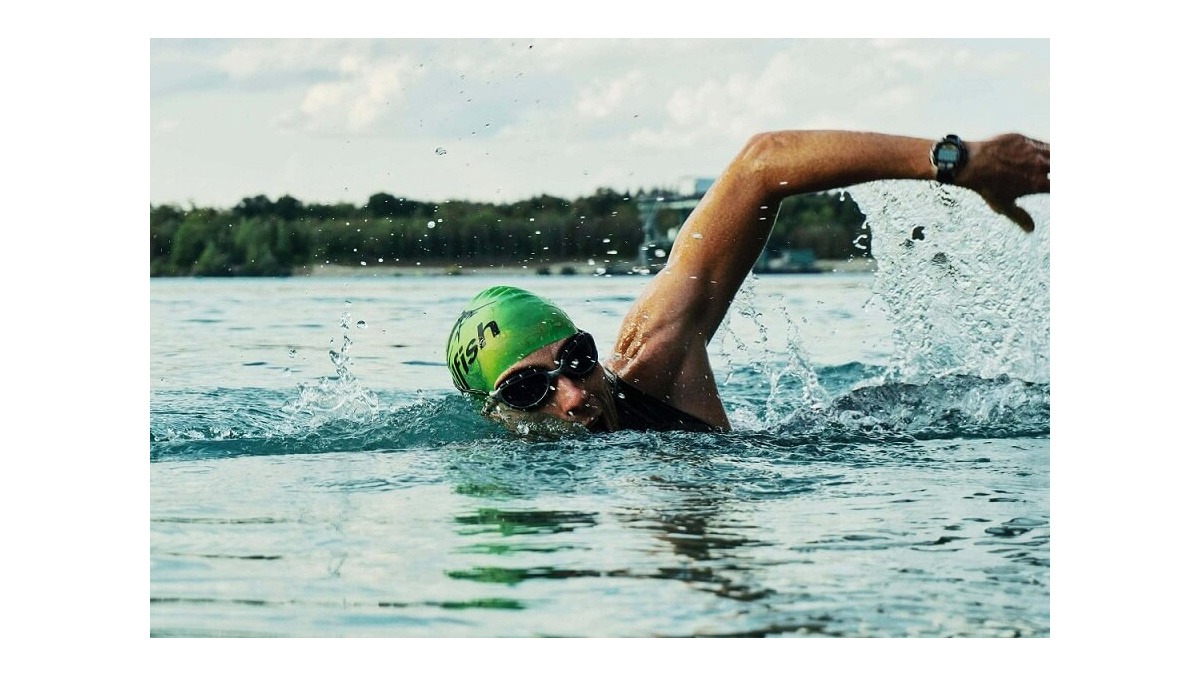
Introduction
Swimming is often regarded as the most challenging segment of a triathlon, and improving your performance in this crucial area can significantly impact your overall race time. From mastering your technique to enhancing endurance, several strategies can help you become a more efficient swimmer. This article will delve into effective exercises, training plans, and strategies designed specifically for triathlon athletes looking to improve their swimming performance.
Understanding the Importance of Swimming in Triathlon
In triathlon, swimming typically comes first, and it is essential for setting the tone of your race. A strong swim can boost your confidence and give you a competitive edge, making it critical to develop this skill in your training. According to a study published in the Journal of Sports Sciences, athletes who invest time in swim training see marked improvements in their overall performance.
Key Components of Swimming Technique
Effective swimming in a triathlon relies heavily on various technical components:
- Body Position: Maintain a streamlined position in the water to reduce drag.
- Breathing: Master rhythmic breathing to conserve energy and maintain a steady pace.
- Arm Movement: Use an efficient pull technique and avoid excessive splashing.
- Kick: Develop a strong and steady kick to enhance your propulsion.
Effective Exercises to Boost Swimming Performance
To improve your swimming performance, incorporate a diverse set of exercises into your training regimen. The following exercises focus on developing strength, technique, and endurance:
1. Drills for Technique Refinement
- Single Arm Drill: Swim with one arm while the other remains at your side to focus on your pull and breathing techniques. This will enhance your body rotation and arm stroke coordination.
- Catch-Up Drill: Allow one arm to extend fully before the other begins its pull. This drill emphasizes timing and body positioning.
- Fingertip Drag Drill: Keep your fingertips near the surface of the water while you swim to promote high elbows and reduce body drag.
2. Strength Training
Incorporating strength training into your routine will help enhance swimming performance by building essential muscle groups:
- Pull-ups: Increase upper body strength crucial for powerful pulls through the water.
- Core Exercises: Planks, Russian twists, and leg raises help create a strong core, vital for maintaining stability in the water.
- Resistance Band Swimming: Use bands to simulate swimming movements to strengthen the shoulders and back without the stress of water.
3. Endurance Workouts
To enhance your stamina and maintain energy throughout your swim:
- Long Swims: Extend your swim distances gradually (e.g., 1,500 meters) to develop endurance.
- Interval Training: Swim shorter distances (e.g., 100-200 meters) at a high effort followed by rest to boost aerobic capacity.
- Pacing Practices: Develop your pacing skills by swimming at race pace over your target distance.
Creating a Comprehensive Training Plan
Crafting a well-structured training plan is key to improving performance. Here’s an example of a weekly training regime for triathletes:
Sample Weekly Swim Training Plan
- Monday: Drills (1-hour focusing on refining technique)
- Tuesday: Endurance Swim (1,500-2,000 meters in steady-state pace)
- Wednesday: Strength Training (30-min focusing on upper body and core)
- Thursday: Interval Training (8x100 meters with 30 seconds rest)
- Friday: Rest Day or light active recovery
- Saturday: Long Swim (2,000-3,000 meters, incorporating pacing practices)
- Sunday: Optional Cross-Training (e.g., cycling or running)
Nutrition and Hydration Strategies
A balanced diet plays an essential role in swimming performance. Pay attention to the following:
- Carbohydrates: Focus on complex carbs (e.g., whole grains, fruits, vegetables) to fuel your workouts.
- Proteins: Include lean proteins (e.g., chicken, fish, beans) to aid recovery and muscle growth.
- Hydration: Always stay hydrated before, during, and after training to maintain optimal performance.
Recovery, Sleep, and Injury Prevention
Proper recovery is fundamental to swimming performance. Ensure you incorporate:
- Active Recovery: Engage in light activities like yoga or stretching to enhance recovery.
- Sleep: Aim for 7-9 hours each night to allow your body to recover fully.
- Injury Prevention: Incorporate rest days and listen to your body to prevent overtraining.
Mental Preparation and Race Strategy
Finally, mental preparation is crucial when approaching the swim segment of a triathlon. Some strategies include:
- Visualization: Imagine a successful swim to boost confidence and reduce anxiety.
- Race Simulation: Participate in practice races to get accustomed to open water conditions.
- Breathing Techniques: Use breathing exercises to calm nerves and focus before the race.
Conclusion
Improving your swimming performance for triathlon entails a comprehensive approach involving technique refinement, strength training, endurance workouts, nutrition, recovery, and mental strategies. By integrating these methods into your training plan, you'll not only become a more proficient swimmer but also set the foundation to excel in your triathlon events. Remember, consistency is key; the more dedicated you are to your training, the more progress you will see!
🧠 FAQ - Improving Swimming Performance for Triathlons
❓ How long should my swims be in training?
Your swim workouts can range from 1,500 to 3,000 meters depending on your fitness level. Gradually increase your distances for endurance improvement.
❓ What is the best stroke technique for triathlon swimming?
The freestyle stroke is generally the most efficient for triathletes due to its speed and energy conservation. Focus on optimizing body position and arm pull.
❓ Should I swim in a pool or open water for practice?
It is essential to practice in both environments. Pool training helps refine technique, while open water practice prepares you for race conditions.
❓ When should I consume nutrition during a swim?
During the swim segment, it is advisable to focus on hydration before the race. Post-swim, ensure you refuel with carbohydrates and protein for recovery.
❓ How can I prevent injuries while training?
To prevent injuries, incorporate rest days, focus on proper technique, and listen to your body. Cross-training can also help strengthen muscles and reduce overuse injuries.
❓ What mental strategies can I use before a race?
Visualization, breathing exercises, and race simulations are effective strategies to manage anxiety and boost confidence before competing.