Enhance Bonding and Performance on Trail Runs with Your Dog Using Tailored Training Techniques
By Sarah Published on 25/12/2025 at 19h00 — modified on 24/12/2025 at 19h00 Reading time : 3 minutes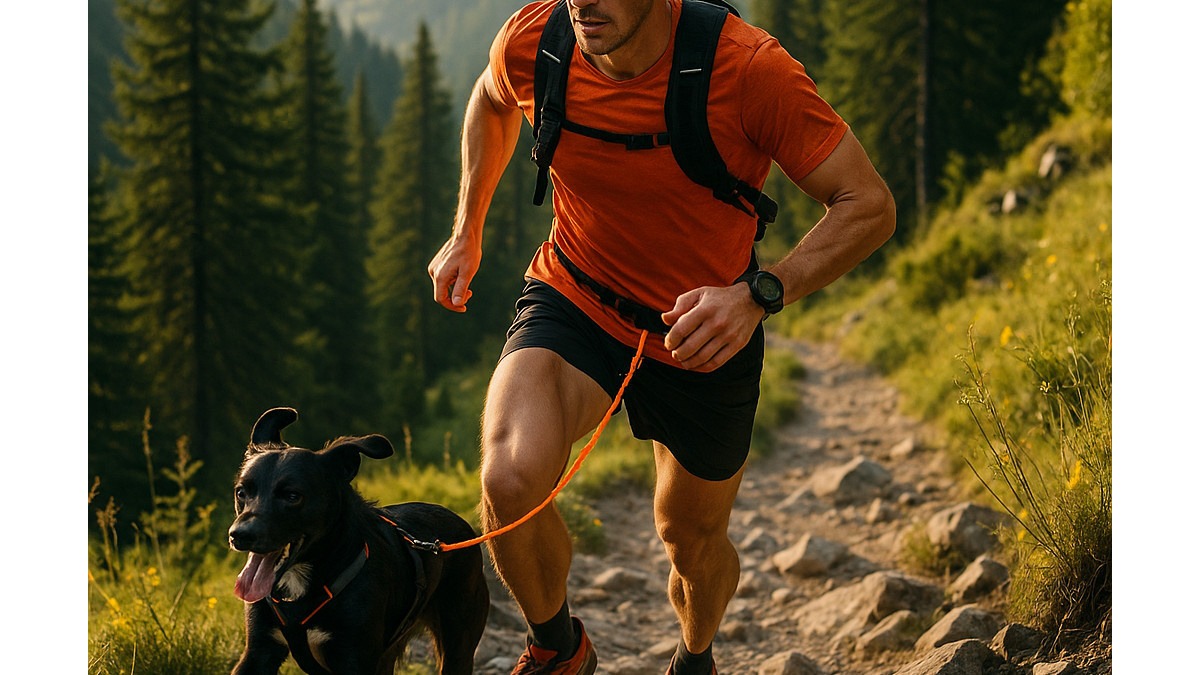 Image credit: AI Generated
Introduction
Trail running is not only a fantastic way to stay active, but it also offers a unique opportunity to bond with your canine friend. When you incorporate your dog into your trail running routine, both of you can enjoy the great outdoors while improving physical fitness and mental well-being. This article will guide you on how to enhance that special bond and improve your performance on trail runs using tailored training techniques.
The Benefits of Running with Your Dog
Before diving into training techniques, it's essential to understand why running with your dog can be beneficial. Here are several advantages:
- Improved Physical Fitness: Both you and your dog get a workout, enhancing cardiovascular health and building muscle strength.
- Enhanced Bonding: Training and running together strengthen your relationship, improving trust and communication.
- Mental Stimulation: Dogs thrive on diverse experiences; trail running exposes them to new sights, smells, and sounds.
- Stress Relief: Spending time outdoors and exercising can dramatically reduce anxiety levels for both you and your pooch.
Preparing Your Dog for Trail Running
Before you hit the trails, ensure that your dog is physically prepared for the activity. Here are some steps to get started:
1. Assess Your Dog’s Health
Consult your vet to ensure your dog is healthy enough for running. Factors to consider include:
- Breed: Some breeds are more suited to endurance running than others.
- Age: Puppies and older dogs may require more gradual introductions to running.
- Fitness Level: Assess your dog's current activity and adjust training accordingly.
2. Start Slow
Gradually introduce your dog to running. Begin with short, fun outings and slowly increase the duration and intensity.
3. Equipment and Gear
Invest in quality gear for both you and your dog. Essential items include:
- Leash: A hands-free leash system can enhance your running experience.
- Collar and Harness: Ensure your dog is comfortable with a properly fitted collar or harness.
- Dog Booties: Protect your dog's paws from rough terrain.
Tailored Training Techniques for Trail Runs
To ensure a successful running experience, implement tailored training techniques that cater to both your and your dog's needs:
1. Establish a Training Routine
Create and stick to a structured training schedule that includes running days, rest days, and active recovery sessions. This helps build endurance and maintain your dog's overall health.
2. Incorporate Interval Training
Mixing shorter bursts of speed with longer runs can enhance both your and your dog’s performance. For example:
- Warm-up: 10-minute easy jog.
- Intervals: Alternate between running for 1 minute at a fast pace followed by 2 minutes at a slower pace.
- Cool-down: 10-minute brisk walk to ease muscle tension.
3. Focus on Endurance
To improve long-distance running, gradually increase weekly mileage by no more than 10% each week. Ensure that both your and your dog's endurance capacity grows systematically.
4. Train for Trail-Specific Conditions
Trail running presents different challenges compared to road running. Consider practicing on varied terrain to develop agility and stability. Include:
- Rocky paths
- Steep slopes
- Soft dirt trails
5. Practice Commands and Cues
Train your dog to respond to essential commands such as sit, stay, and heel, which can aid in navigation through crowded or challenging trails.
Navigating the Trail with Your Dog
Once you’ve established a training routine, consider these strategies for a smoother run on the trails:
1. Create a Safe Run Environment
Prioritize safety by ensuring that trails are clear of hazards like broken glass or rough terrain. Always be mindful of wildlife and other trail users.
2. Hydration for You and Your Dog
Both you and your dog must stay well-hydrated. Carry a portable water bottle for both of you. Consider using collapsible bowls for ease.
3. Trail Etiquette
Respecting other trail users is essential. Follow these guidelines:
- Yield to hikers when on narrow trails.
- Keep your dog leashed unless in designated off-leash areas.
Nutrition and Recovery
Just as training is crucial, so is proper nutrition and recovery to maintain performance:
1. Pre-Run Nutrition
Before heading out, ensure both you and your dog are well-fueled. For example, feeding your dog a light meal with protein and carbohydrates before a long run can provide sustained energy.
2. Post-Run Recovery
After a run, allow time for recovery. This can include cooling down with light stretching, providing water, and allowing for rest days.
Conclusion
Running trails with your dog is not only a great way to stay fit but also deeply enhances the bond you share. By applying these tailored training techniques, you can ensure both you and your pup enjoy the experience to its fullest. Always remember to prioritize health, safety, and enjoyment over performance. Happy running!
🧠 FAQ - Training with Your Dog for Trail Runs
❓ How often should I run with my dog?
Start with 2-3 times a week, gradually increasing frequency based on your dog's fitness level and health.
❓ What is a good distance for dogs to run on trails?
Distances can vary widely; however, most healthy dogs can comfortably run between 2-5 miles as a starting point.
❓ Can I train my dog to run off-leash?
Yes, but only in safe, designated areas. Ensure your dog has reliable recall skills and follows commands before attempting off-leash runs.
❓ How do I know if my dog is tired while running?
Look for signs like lagging behind, heavy panting, or excessive stopping. If your dog shows signs of fatigue, it’s essential to take breaks.
❓ What should I pack for a trail run with my dog?
Pack water, snacks for both of you, a first-aid kit, waste bags, and optionally, a dog bootie for paw protection.
❓ Are there specific breeds that are better for trail running?
Yes, breeds such as Vizslas, Labrador Retrievers, and German Shepherds are known for their endurance and suitability for trail running.