Discover the Best Shoes for Triathlon: From Transition to Race Day. Find Your Perfect Pair for Optimal Performance.
By Sarah Published on 26/12/2025 at 19h01 — modified on 25/12/2025 at 19h01 Reading time : 3 minutes
Introduction
Choosing the perfect shoes for triathlon is crucial for enhancing your performance and comfort throughout the race. Whether you are a beginner looking to make your mark or a seasoned athlete aiming for personal bests, the right footwear can make all the difference during intense race conditions. In this article, we’ll explore the best shoes for each segment of your triathlon – swimming, cycling, and running – and guide you in selecting the perfect pair for optimal performance.
The Importance of Choosing the Right Shoes
Your choice of shoes in a triathlon impacts not only your comfort but also your speed and recovery. Triathlons often involve different terrains and conditions that require specialized footwear. Here’s why it matters:
- Support and Stability: Proper shoes provide essential support and prevent injuries.
- Transition Efficiency: Lightweight shoes can enhance speed during transitions.
- Comfort During Distances: Effective cushioning will minimize fatigue over long distances.
Types of Shoes for Each Triathlon Segment
1. Running Shoes
Running shoes are perhaps the most critical component of your triathlon gear. The right pair can help you finish strong after cycling. Here are key considerations:
- Cushioning: Look for shoes that provide adequate cushioning to absorb shock.
- Fit: Shoes should fit snugly but allow enough room for toe movement.
- Weight: Lightweight options can enhance speed during the run segment.
- Breathability: Look for materials that will keep your feet cool and dry.
**Top Picks for Running Shoes:**
- Nike ZoomX Vaporfly NEXT%: Ideal for speed with its lightweight design.
- Hoka One One Clifton 8: Known for exceptional cushioning, making it great for longer runs.
- Saucony Endorphin Speed 2: Offers a balance of cushioning and propulsion.
2. Cycling Shoes
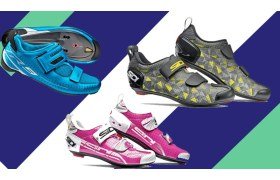
Cycling shoes differ significantly from running shoes due to the nature of the activity. Here’s what you should focus on:
- Stiff Sole: A stiff sole enhances power transfer to the pedals.
- Clipless Compatibility: Ensure your shoes are compatible with your bike pedals.
- Breathability: This becomes critical in hot conditions, so opt for breathable materials.
**Top Picks for Cycling Shoes:**
- Sidi Genius 10: Offers superb fit and performance.
- Giro Empire SLX: Known for its lightweight construction.
- Shimano SH-RC702: A reliable choice with a stiff sole for optimized power transfer.
3. Triathlon Shoes
Triathlon-specific shoes bridge the gap between running and cycling. They allow athletes to transition quickly without losing speed. Important features to consider include:
- Quick-Lacing Systems: These systems permit fast transitions by reducing the time spent tying shoelaces.
- Drainage Holes: Essential for water removal after the swim segment.
- Lightweight Design: Look for shoes designed for speed and agility.
**Top Picks for Triathlon-Specific Shoes:**
- On Cloudflow: Combines speed and comfort, making it a favorite among triathletes.
- Asics Gel-DS Trainer 26: Provides great support and stability.
- Brooks Launch 8: A versatile shoe that performs well in transitions.
Factors to Consider When Choosing Triathlon Shoes
As you prepare for your triathlon, consider the following factors to find the right shoes for you:
- Foot Type: Understand your arch type and choose shoes that cater to your specific foot mechanics.
- Race Distance: Choose shoes according to your race distance; longer races may require more cushioning.
- Terrain: Consider the type of terrain you'll be racing on, as this can significantly impact your shoe choice.
- Personal Preference: Always try shoes on and go for a test run to gauge comfort before deciding.
Strategies for Training with Your Shoes
Once you’ve selected your ideal shoes, it’s essential to integrate them into your training effectively. Here are a few strategies:
- Gradual Introduction: Slowly add new shoes to your training to allow your feet and body to adjust.
- Use in Different Conditions: Train in various conditions similar to your race day to familiarize yourself with the shoes.
- Focus on Transition Practice: A lot of your race is about transitions, so practice how quickly you can put on your shoes.
Nutritional and Hydration Strategies During Shoes' Usage
Your shoes go hand-in-hand with your performance, but nutrition and hydration play equally vital roles. Proper fueling can help your feet perform their best:
- Hydrate Appropriately: Staying hydrated will reduce the risk of cramping.
- Carbo-Load Before Race Day: Make sure your glycogen stores are topped off.
Conclusion
Finding the best shoes for triathlon is a crucial part of your preparation and overall strategy. Take the time to assess the types of shoes available, the specific requirements for each segment, and how your individual foot mechanics will influence your choice. Whether you are transitioning from swimming to cycling or cycling to running, the right shoes will enhance your performance and make your triathlon experience even more enjoyable. Happy training!
🧠 FAQ - Triathlon Shoes
❓ What type of shoes are best for triathlons?
Triathlon shoes vary for each segment: running shoes for the run, cycling shoes for the bike, and triathlon-specific shoes for quick transitions.
❓ How do I choose the right running shoes for triathlon?
Choose running shoes that offer a comfortable fit, adequate cushioning, and lightweight construction to maximize your performance.
❓ Are triathlon shoes different from regular running shoes?
Yes, triathlon shoes are designed for easy transitions and often have features like quick lacing systems and drainage holes.
❓ How important are cycling shoes for triathlons?
Cycling shoes are crucial as they provide support, stability, and efficient power transfer during the bike segment.
❓ Should I train in my race day shoes?
Yes, practice in your race day shoes to ensure comfort and efficiency, helping you become accustomed to their feel and fit.
❓ How can I improve my transitions between segments?
Practice your transitions regularly and streamline the process by organizing your gear and minimizing the time spent changing shoes.