Winter Triathlon Training: Discover Home Trainers for Indoor Cycling
By Sarah Published on 24/12/2025 at 19h01 — modified on 23/12/2025 at 19h01 Reading time : 3 minutes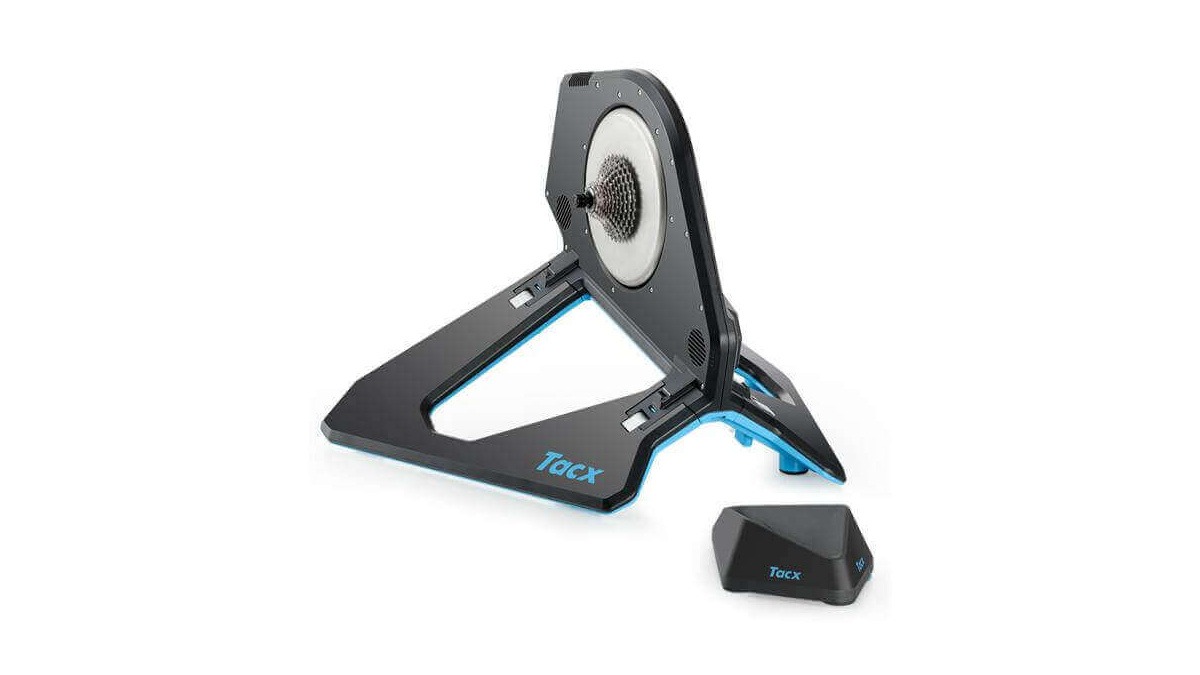
Introduction
The chill of winter may make outdoor training less appealing, but for triathletes committed to their sport, it's essential to maintain a consistent training regimen. With winter triathlon training, focusing on cycling indoors has never been more important. One of the best solutions? Home trainers for indoor cycling. This guide will help you discover the best options available, compare models and brands, and ensure you make an informed decision to support your training goals during the colder months.
Why Use a Home Trainer for Indoor Cycling?
Indoor cycling trainers offer numerous advantages for triathletes, especially during the winter months. Here’s why you might consider investing in one:
- Weather Independence: Rain, snow, or icy conditions shouldn't halt your training.
- Structured Workouts: Tailor your sessions based on specific training goals or workouts.
- Safety: Eliminate traffic hazards and potential accidents.
- Convenience: Fit quick rides into your schedule anytime.
- Data Tracking: Monitor performance metrics easily with compatible devices.
Types of Home Trainers for Indoor Cycling
Before making a purchasing decision, it's essential to understand the different types of indoor cycling trainers. They generally fall into three categories:
1. Magnetic Trainers
Magnetic trainers use magnets to create resistance. They are typically more affordable and quiet, making them a popular choice for beginners and those on a budget. However, they may lack the sophistication and varying resistance levels needed for serious training.
2. Fluid Trainers
Fluid trainers utilize a sealed drum filled with fluid to produce resistance, providing a more realistic cycling experience. They offer progressive resistance that increases with speed, making them suitable for various workouts. Most fluid trainers are also quiet and simulate outdoor riding sensations effectively.
3. Direct Drive Trainers
These high-end trainers replace the rear wheel, connecting the bike directly to the trainer's resistance unit. They offer a high level of accuracy in power measurements, often come with smart technology for interactive workouts, and are favored by serious cyclists and triathletes. However, they tend to be the most expensive option.
Key Features to Consider When Selecting a Home Trainer
When comparing models, here are some important features to consider:
- Resistance Levels: Look for adjustable or variable resistance to keep workouts challenging.
- Compatibility: Ensure your bike is compatible with the trainer you choose.
- Smart Technology: Look for Bluetooth or ANT+ connectivity to sync with apps like Zwift or TrainerRoad.
- Stability and Noise Level: Check for features that enhance stability and reduce noise levels, especially if you live in shared spaces.
- Portability: If you intend to move your trainer, consider the weight and folding capabilities.
Brand Comparison: Leading Home Trainer Models
There are several brands known for their quality home trainers. Below, we compare a few popular options:
1. Wahoo KICKR
The Wahoo KICKR is a direct-drive trainer praised for its accuracy and responsiveness. It has a power measurement accuracy of +/- 1% and can simulate inclines of up to 20%. Its compatibility with various training apps makes it a favorite among serious triathletes.
2. Tacx Neo 2T
The Tacx Neo 2T offers an impressive simulation of a realistic ride, including downhill acceleration and road feel. Its direct-drive technology also features advanced power readings and excellent compatibility with training software.
3. Elite Direto XR
The Elite Direto XR stands out for its affordability while offering smart technology and reliable accuracy. It’s user-friendly and provides a great indoor cycling experience without breaking the bank.
Pricing Considerations for Home Trainers
Prices for home trainers can vary greatly based on features and brand reputation. Here's a general pricing breakdown:
- Budget Trainers: $200 - $400 (e.g., Magnetic Trainers)
- Mid-range Trainers: $400 - $800 (e.g., Fluid Trainers)
- High-end Trainers: $800 - $1,500 and above (e.g., Direct Drive Trainers)
Consider your budget alongside your training goals when selecting a trainer to ensure the best investment.
Integrating Indoor Cycling into Your Winter Triathlon Training Plan
As an athlete, your winter training plan should include structured indoor cycling sessions. Consider the following strategies:
- Periodization: Base your workouts around your upcoming races. Early in the season, focus on building base endurance with longer, steady rides. As races approach, incorporate interval training to boost speed and power.
- Cross-Training Opportunities: Combine indoor cycling with swimming and running workouts to develop overall fitness and avoid burnout.
- Recovery: Pay attention to rest days and prioritize recovery strategies such as dynamic stretches and foam rolling to avoid injury.
Nutrition and Hydration While Training Indoors
Even during indoor training, nutrition and hydration are crucial for optimal performance. Make sure to:
- Stay Hydrated: Drink water or electrolyte drinks during cycling sessions, especially for long workouts.
- Fuel Properly: Remember to consume carbohydrates and proteins post-workout to replenish energy stores and repair muscles.
Conclusion
As winter approaches, investing in a home trainer for indoor cycling can substantially enhance your training regimen for triathlons. By understanding the different types of trainers, comparing models and brands, and integrating structured cycling into your training plan, you'll position yourself effectively for your upcoming races.
For more insights into the humorous side of being a triathlete, check out our article: Laugh and Identify Yourself! Discover Hilarious Situations and Habits that Prove You're a True Triathlete.
🧠 FAQ - Home Trainers for Indoor Cycling
❓ What is the difference between magnetic, fluid, and direct drive trainers?
Magnetic trainers use magnets for resistance, fluid trainers use fluid-filled drums for a realistic feel, and direct drive trainers connect the bike directly to the trainer for accurate power measurements.
❓ Are direct drive trainers worth the investment?
For serious cyclists and triathletes who value precise training data and a realistic ride experience, direct drive trainers are generally worth the investment.
❓ How can I improve my performance on a home trainer?
Follow structured training plans focusing on endurance, strength training and incorporating interval workouts to enhance speed and power.
❓ How do I maintain my home trainer?
Keep the trainer clean, lubricate parts as recommended, and ensure that it's set up on a stable surface for optimal performance.
❓ Can I use a home trainer for other types of biking?
Yes, as long as the trainer is compatible with your bike type, you can use it for other biking styles, including mountain biking.
❓ How important is hydration during indoor cycling?
Hydration is crucial during indoor cycling, even in cooler conditions, as your body still loses fluids through sweat. Make sure to drink water or electrolyte drinks before and during your workouts.