Don't Confuse Them! Learn the Key Differences Between a Triathlon Suit and Surf Suit to Choose the Right Gear. Expert Tips.
By Sarah Published yesterday at 07h00 — modified on 27/12/2025 at 07h00 Reading time : 3 minutes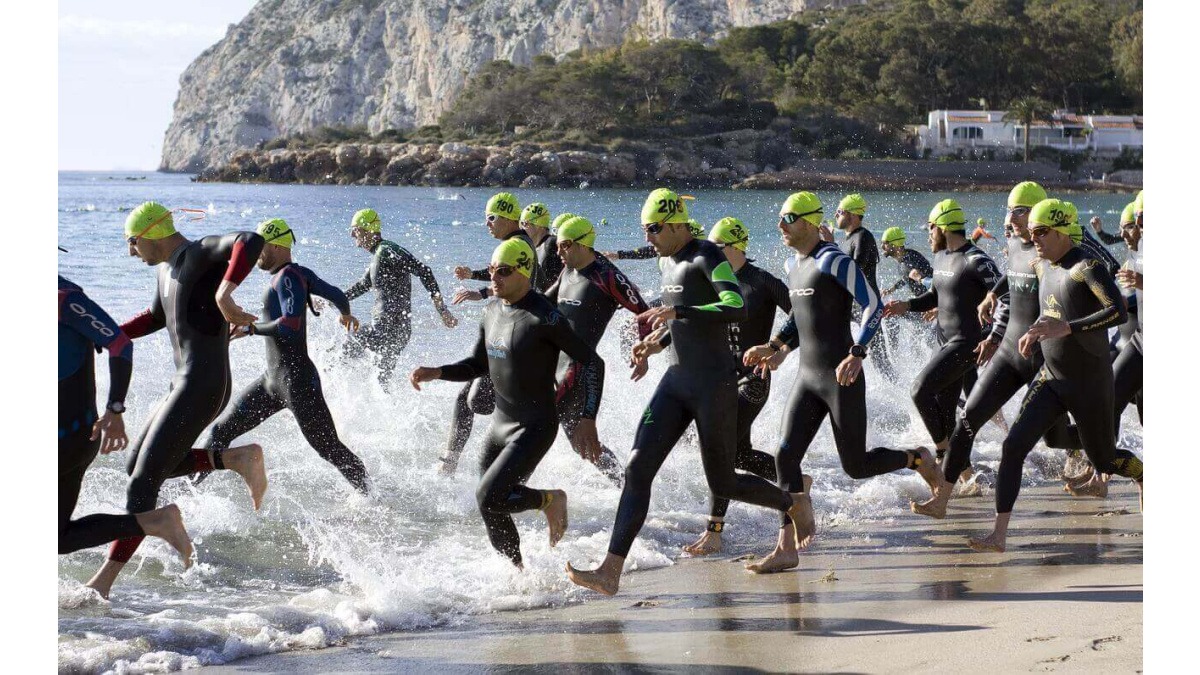
Introduction
The world of endurance sports often requires a well-planned approach in gear selection. Among the most crucial decisions an athlete faces is choosing the right suit for specific activities. This article dives deep into the distinctions between a triathlon suit and a surf suit, helping you make an informed choice based on your unique needs. Whether you're gearing up for a triathlon, an open water swim, or surf sessions, knowing these differences will enhance your performance and comfort.
What is a Triathlon Suit?
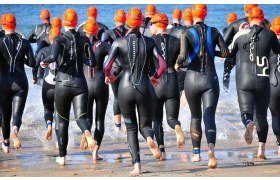
A triathlon suit, often referred to as a trisuit, is a specially designed outfit for athletes participating in triathlons. These suits are engineered to perform well in three disciplines: swimming, cycling, and running. Made from lightweight, breathable, and quick-drying materials, triathlon suits provide a streamlined fit to reduce drag in the water while ensuring overheating is avoided during intense racing.
Key Features of a Triathlon Suit
- Fabric: Typically made from a combination of polyester and elastane, ensuring flexibility and durability.
- Wetness Management: The fabric is designed to dry quickly post-swim to provide comfort during the cycling and running segments.
- Padded Chamois: Many trisuits come with a thin chamois that offers minimal cushioning for cycling while ensuring it doesn’t interfere with swimming or running.
- UPF Protection: Many trisuits provide built-in sun protection to shield the skin during long races.
What is a Surf Suit?
A surf suit, commonly known as a wetsuit or spring suit, is intended for surfers and water enthusiasts who spend extended periods in cold water. These suits are designed to provide warmth and buoyancy, featuring thicker neoprene material to insulate body heat while enabling mobility during surfing maneuvers.
Key Features of a Surf Suit
- Material: Made of neoprene, which retains warmth and provides a buoyant effect to help with floating.
- Thickness: Ranges from 2mm to 6mm, with thicker suits providing more warmth, suitable for colder water.
- Seams: Surf suits often have sealed or taped seams to prevent water from entering the suit, adding to insulation.
- Flexibility vs. Insulation: Designed to balance flexibility (for paddling and movement) while providing necessary warmth.
Comparing the Two: Key Differences
While both suits serve their purpose well, they cater to different disciplines and have unique features that set them apart. Here’s a detailed comparison:
1. Purpose and Functionality
The primary purpose of a triathlon suit is multi-discipline performance, whereas a surf suit focuses on warmth and buoyancy during cold-water surfing sessions.
2. Material Composition
Triathlon suits use lightweight, breathable materials designed for speed and comfort, whereas surf suits employ thicker neoprene aimed at insulation and buoyancy.
3. Fit and Cut
Triathlon suits fit like a second skin, providing aerodynamics for speed in races. Surf suits, however, need to fit snugly but allow for mobility with features like knee pads, depending on the style.
4. Drying Time
Triathlon suits dry much quicker, often designed with quick-wicking materials, while surf suits can retain water due to their thicker design.
5. Temperature Suitability
Triathlon suits are suitable for warmer conditions, ideal for swimming in lakes or oceans during a triathlon. Conversely, surf suits are made for various water temperatures, with cold-weather versions giving warmth.
Choosing the Right Gear
When selecting between a triathlon and surf suit, consider the following factors:
1. Activity Type
Are you competing in a triathlon, or are you gearing up for a surfing session? Your activity largely dictates which suit will serve you better.
2. Water Conditions
Assess the water temperature you'll be encountering. If the waters are cold, a surf suit will ensure warmth, while warmer waters may require a triathlon suit for better performance.
3. Fit and Comfort
Prioritize comfort and fit. A suit that’s too tight or too loose can hinder performance, so ensure you try on multiple sizes and styles.
4. Budget Considerations
You might find triathlon suits tend to be on the higher end, while there are surf suits available at various price points, influencing your decision based on your budget.
5. Brand Reputation
Investing in reputable brands known for their quality can enhance your performance experience. Research customer reviews and product comparisons.
Practical Tips for Endurance Athletes
Here are some additional tips for endurance athletes when selecting a triathlon or surf suit:
- Check for warranties and return policies in case the suit doesn’t meet your expectations after purchase.
- Consider the climate you will primarily be training and competing in, as this can affect your choice.
- For triathletes, practice in your suit before race day to ensure comfort and familiarity.
- Don’t overlook accessories like swim caps, goggles, or surf booties, which can enhance your experience.
- Join local clubs or groups to gain insights on what suits work best for fellow athletes.
Conclusion
Understanding the key differences between a triathlon suit and a surf suit is vital for ensuring optimal performance, comfort, and enjoyment, whether you are racing or riding the waves. As an endurance athlete, selecting the right gear tailored to your specific needs can make a significant difference in your overall experience and results. Take the time to research, try on different options, and invest in quality suits that match your commitment to the sport.
🧠 FAQ - Triathlon Suit vs Surf Suit
❓ What is the main purpose of a triathlon suit?
A triathlon suit is designed for use in triathlons, enabling athletes to perform well in swimming, cycling, and running due to its lightweight and quick-drying fabric.
❓ Can I use a surf suit for triathlons?
While a surf suit can be used for swimming, it is not recommended for triathlons due to its weight, slow drying time, and thermal insulation features.
❓ How do I choose the right triathlon suit size?
Choose a triathlon suit size based on a snug fit that does not restrict movement. Many brands provide sizing charts that can guide selection.
❓ Are surf suits suitable for warm water conditions?
Surf suits can be worn in warm waters, but they may cause overheating as they are designed primarily for insulation in colder conditions.
❓ What materials are triathlon suits made from?
Triathlon suits are typically made from lightweight polyester and elastane blends, designed for flexibility, breathability, and quick-drying properties.
❓ What additional gear should I consider for triathlons?
Aside from a triathlon suit, consider goggles, a swim cap, a bike jersey, running shoes, and hydration gear to enhance your race experience.