Open Water Swimming Tips: Mastering Breathing, Position, and Wetsuits for Triathlon Success
By Sarah Published on 21/12/2025 at 07h00 — modified on 20/12/2025 at 07h00 Reading time : 3 minutes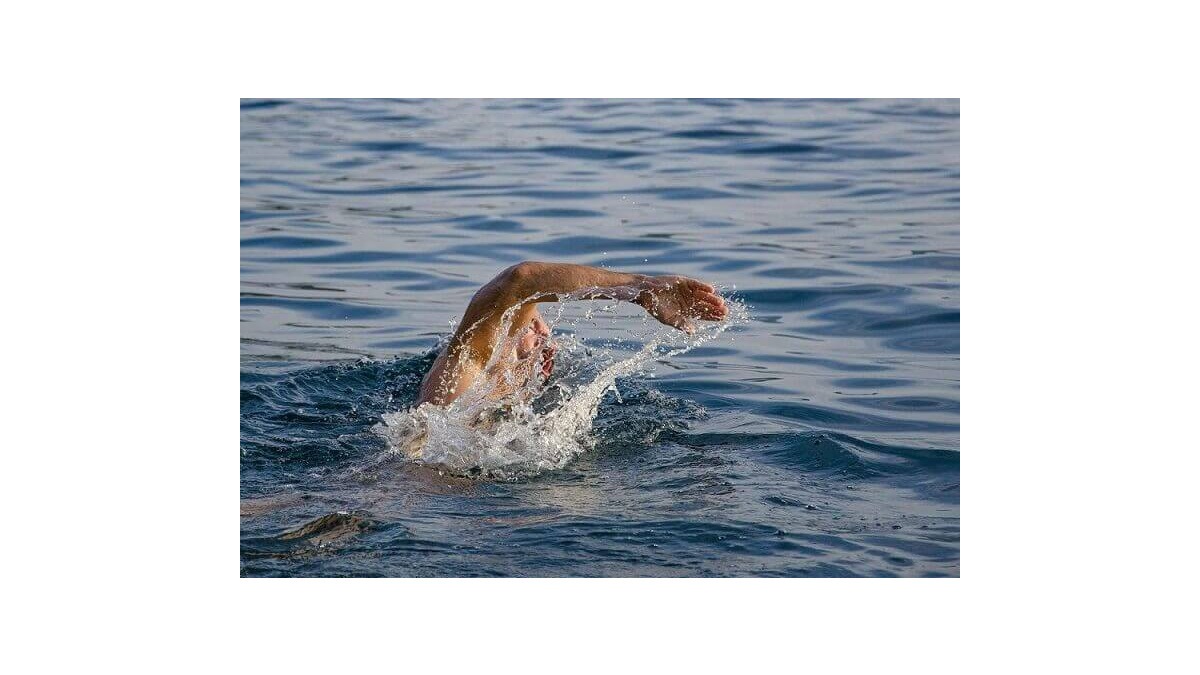
Introduction
Open water swimming can be both exhilarating and daunting for triathletes. The shift from a controlled pool environment to the unpredictability of lakes, oceans, and rivers introduces various challenges. To navigate these challenges effectively, it's essential to master techniques in breathing, body positioning, and understanding wetsuits.
Understanding Open Water Swimming
Unlike pool swimming, open water presents unique conditions: currents, waves, and visibility issues. Knowing how to adjust your strategies and equipment is crucial. In triathlon, swimming generally comprises the first segment, setting the tone for your overall performance.
1. The Importance of Breathing
Breathing effectively is vital for maintaining energy levels while swimming. In open water, conditions often force you to adapt your breathing techniques.
Breathing Techniques
- Bilateral Breathing: Practice breathing on both sides to maintain balance and awareness of your surroundings, particularly in crowded races.
- Quick Breaths: In choppy water, you may need to take shorter, quicker breaths to avoid gulping in water.
- Exhale Underwater: Focus on exhaling fully when your head is in the water, allowing for rapid inhalation when you turn your head.
2. Mastering Your Position
Your body position in the water affects your drag and energy efficiency. A good technique translates to faster times and less fatigue.
Key Elements of Body Position
- Horizontal Alignment: Keep your body horizontal to reduce drag. Your hips should be high in the water.
- Head Position: Your head should be in line with your spine. Avoid looking too far ahead as it can lower your hips.
- Arm Entry: Your hand should enter the water in line with your shoulder, not crossing over your midline.
3. Choosing the Right Wetsuit
The right wetsuit can significantly enhance your performance by providing buoyancy and warmth. Selecting the appropriate suit is a crucial step in preparing for open water swimming.
Types of Wetsuits
- Full Sleeve Wetsuits: Ideal for cold water, offering maximum buoyancy and insulation.
- Sleeveless Wetsuits: Better for warmer water, allowing greater arm mobility but less insulation.
- Shorty Wetsuits: Usually have short sleeves and legs, suitable for mild temperatures.
4. Pre-Race Preparation
Preparation is key to any successful race, especially in open water swimming.
Essential Pre-Race Tips
- Familiarize Yourself with the Course: If possible, practice swimming in the event area before race day to understand potential challenges.
- Practice in Open Water: Get comfortable swimming in various conditions and practicing sighting.
- Ensure Proper Fit of Your Wetsuit: Make sure your wetsuit fits snugly to avoid drag and discomfort.
5. Sight Your Way to Success
In open water, sighting is important to keep you on course. Without the lane lines of a pool, it’s easy to drift off track.
Effective Sighting Techniques
- Lift Your Head: Every few strokes, lift your head briefly to locate buoys or landmarks.
- Practice Sighting in Training: Incorporate sighting into your open water practice to enhance comfort.
- Use Natural Landmarks: Familiarize yourself with the surrounding landscape for easier navigation.
6. Managing Cramps and Fatigue
Cramps and fatigue can strike unexpectedly during your swim. Having strategies in place can help mitigate these issues.
Prevention Tips:
- Hydration: Ensure you're well-hydrated before entering the water.
- Warm-Up: Conduct a proper warm-up to get your blood flowing and muscles ready.
- Gradual Adjustment: Allow yourself time to acclimate to cold water if the temperature is lower than expected.
7. Techniques for Entry and Exit
How you enter and exit the water can impact your overall efficiency and performance.
Entering the Water:
- Dive or Walk In: Depending on the depth, either dive in or walk into the water to reduce resistance.
- Full Body Entry: Ensure you are submerged until your shoulders are covered to help acclimate to the temperature.
Exiting the Water:
- Look for Foamy Water: This indicates shallower areas, where you can stand up.
- Stay Focused on Your Transition: Have a clear plan for efficiently removing your wetsuit.
8. Incorporating Mental Preparation
Mental preparation can be just as important as physical readiness. Managing race-day jitters and maintaining focus are crucial for successful performance.
Mental Strategies:
- Visualization: Picture yourself completing the swim successfully during your training runs.
- Breathing Exercises: Practice calm, deep breathing to help alleviate pre-race anxiety.
- Positive Affirmations: Use positive self-talk to build confidence before and during the event.
Conclusion
Open water swimming is an integral part of triathlon training that requires dedication, practice, and confidence. By mastering your breathing, perfecting your body position, selecting the right wetsuit, and employing effective mental strategies, you set yourself up for success in the water. Remember to incorporate these tips into your training to enhance your performance and enjoy the swim!
As you gear up for your next triathlon, also consider the importance of injury prevention and gradual progress to sustain your training and racing efforts. For more insights, check out our article on 8 Essential Tips to Avoid Running Injuries.
🧠 FAQ - Open Water Swimming
❓ What is the best wetsuit for open water swimming?
The best wetsuit depends on water temperature and personal preference. Full sleeve wetsuits are preferable for cold water due to added insulation, while sleeveless options provide better mobility for warmer conditions.
❓ How can I improve my breathing in open water?
Practice bilateral breathing to maintain awareness of your surroundings and take quick breaths in rough conditions. Remember to exhale fully underwater to facilitate quick inhalation.
❓ What should I do if I start to feel fatigued or cramp up?
To prevent cramps, ensure proper hydration and warm up before your swim. If you feel fatigued during the swim, try to relax your strokes and focus on your breathing until you regain energy.
❓ How do I sight effectively in open water?
Lift your head every few strokes to locate buoys or landmarks. Practice sighting during your training so it becomes a natural part of your swim.
❓ Can I train for open water swimming in a pool?
While pool training helps with techniques and endurance, it's crucial to practice in open water to acclimate to varying conditions like waves and currents.
❓ What should I focus on during pre-race preparation?
Familiarize yourself with the race course, practice in the open water, and ensure your wetsuit fits well. Mental preparation, including visualization and positive self-talk, is also essential.