Beginner Cycling Training: A Comprehensive Guide for New Cyclists
By Sarah Published on 16/12/2025 at 07h00 — modified on 15/12/2025 at 07h00 Reading time : 3 minutes
Introduction to Beginner Cycling Training
Cycling is an excellent way to improve your fitness, explore the outdoors, and relieve stress. Whether you're gearing up for your first ride or looking to transition from recreational biking to more structured training, this guide is made for you. In this article, we’ll cover the essentials of beginner cycling training, including planning your training schedule, understanding cycling techniques, gearing up with the right equipment, and maximizing your nutrition and recovery.
Understanding Cycling Basics
Cycling is not just about pedaling; it's about efficiency, endurance, and enjoyment. As a beginner, it’s important to understand key concepts that will assist you in your cycling journey:
- Cycling Cadence: Your cadence is the speed at which you pedal, typically measured in revolutions per minute (RPM). Finding a comfortable cadence can improve your efficiency and reduce fatigue.
- Positioning on the Bike: A proper fit on your bike is crucial. Make sure your saddle height and handlebar position allow you to pedal efficiently without straining your back or legs.
- Types of Cycling: Familiarize yourself with various forms of cycling such as road cycling, mountain biking, and commuting, and select the one that appeals to you the most.
Setting Realistic Goals
Goals provide motivation and give direction to your training. Here’s how to set effective cycling goals:
- Short-term Goals: Focus on achievable objectives, like riding for 30 minutes or increasing your distance gradually.
- Long-term Goals: Aim for bigger achievements, such as participating in a local cycling event or completing a century ride (100 miles).
- SMART Goals: Make your goals Specific, Measurable, Achievable, Relevant, and Time-bound.
Creating a Beginner Cycling Training Plan
Your training plan should incorporate various components, including endurance rides, interval training, and rest days. Here's a sample weekly training plan:
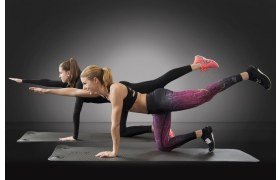
- Monday: Rest day or light activity (e.g., walking or yoga).
- Tuesday: 30-45 minutes of steady cycling at a comfortable pace.
- Wednesday: Interval training: 5 minutes of warm-up, followed by 30 seconds of high-intensity cycling and 1-2 minutes of easy cycling, repeated for 15-20 minutes.
- Thursday: Rest day.
- Friday: 45-60 minutes of moderate cycling, focusing on maintaining a steady cadence.
- Saturday: Long ride: gradually increase duration; start with 1 hour, then extend by 10% each week.
- Sunday: Cross-training: Engage in a low-impact exercise, such as swimming or running, to improve overall fitness.
Nutritional Strategies for Cyclists
Nutrition plays a vital role in performance and recovery for endurance athletes, including cyclists. Here are key nutrition tips tailored for beginners:
- Pre-ride Nutrition: Fuel your body with carbohydrates before a ride. Consider oatmeal or a banana an hour before heading out.
- During the Ride: Stay hydrated and consider energy gels or protein bars for longer rides exceeding 90 minutes.
- Post-ride Recovery: Consume a meal rich in carbohydrates and protein to help muscle recovery. A smoothie with protein powder, fruits, and greens is a great option.
Gear Essentials for Beginner Cyclists
The right equipment can enhance your cycling experience. Here's a checklist for beginner cyclists:
- Bike Fit: Invest in a professionally fitted bike that suits your style and size.
- Helmets: Always wear a properly fitted helmet for safety.
- Clothing: Opt for padded cycling shorts, moisture-wicking jerseys, and weather-appropriate outerwear.
- Accessories: Consider bike lights, a water bottle or hydration pack, and a cycling computer to track your progress.
Recovery, Injury Prevention, and Sleep
Recovery is essential for improvement and injury prevention. Here are some tips:
- Rest Days: Incorporate regular rest days into your training plan to allow your body to recover.
- Stretching and Foam Rolling: Engage in stretching exercises post-ride and consider foam rolling to reduce soreness and improve flexibility.
- Quality Sleep: Prioritize 7-9 hours of sleep per night to ensure proper recovery and performance enhancement.
Mental Preparation for Cycling
Cycling can be as mentally challenging as it is physical. Here are tips to develop a strong mental game:
- Visualization: Picture yourself successfully completing challenging rides or races.
- Mindfulness: Practicing mindfulness during rides can help improve focus and enjoyment.
- Positive Self-Talk: Encourage yourself with positive affirmations, especially during challenging moments.
Joining a Cycling Community
Finding a group or community can enhance your cycling experience. Joining a local cycling club offers:
- Motivation through shared experiences.
- Opportunities for group rides and camaraderie.
- Access to experienced cyclists who can provide advice and mentorship.
Conclusion
Starting your journey in cycling may feel overwhelming, but with the right approach, it can be immensely rewarding. By setting goals, following a structured training plan, focusing on nutrition, and prioritizing recovery, you’ll build endurance and enjoy the ride. Remember, every cycling journey begins with a single pedal stroke, so take that first step today!
🧠 FAQ - Beginner Cycling Training
❓ What is a good beginner cycling distance?
For beginners, starting with 5-10 miles (8-16 km) is a good distance, gradually adding more mileage as your comfort and endurance improve.
❓ How often should I train as a beginner cyclist?
Aim for 3-4 rides per week, including rest days to recover, especially after long or intense sessions.
❓ Do I need special shoes for cycling?
While not mandatory, cycling shoes can enhance efficiency while pedaling, especially when combined with clipless pedals.
❓ What type of bike should I buy as a beginner?
Consider a hybrid or entry-level road bike that suits your intended cycling style and fits your budget.
❓ How can I improve my cycling endurance?
Focus on gradually increasing your ride distance and time, incorporating interval training, and ensuring proper nutrition and recovery.
❓ Is it important to warm up before cycling?
Yes, warming up helps prepare your muscles, minimizes the risk of injury, and improves performance during your ride.