Become a Faster and More Enduring Triathlon Cyclist: Discover Our Training Plans and Specific Bike Exercises
By Sarah Published on 17/12/2025 at 19h02 — modified on 16/12/2025 at 19h02 Reading time : 4 minutes
Introduction
The role of cycling in a triathlon is paramount, often making the difference between achieving personal bests and going home unsatisfied. With the right training plans and specific bike exercises, you can boost your speed and endurance on the bike, enhancing your overall race performance. This article explores effective strategies and structured training regimens for triathlon cyclists, focusing on exercises that will not only improve your cycling capabilities but also elevate your triathlon experience.
Understanding the Importance of Cycling in Triathlons
As a triathlete, cycling constitutes a significant portion of your race day, typically around 40-50% of the total time. Therefore, becoming a proficient cyclist can significantly impact your finishing time and energy levels for the remaining disciplines, particularly running. To maximize performance, you must develop both speed and endurance through a strategic training approach.
Training Principles for Triathlon Cyclists
1. Specificity
Your training should mimic the demands of a triathlon as closely as possible. This means focusing on cycling workouts that practice race conditions, including transitioning from swimming to cycling. Specific workouts will help prepare your muscles and cardiovascular system for the unique challenges of a triathlon.
2. Periodization
Successful training involves structured cycles of loading and recovery. Periodization allows you to peak at the right time while reducing the risk of injury or burnout. This approach is vital for improving overall performance and includes phases such as:
- Base Phase: Build aerobic endurance through longer, slower rides.
- Build Phase: Introduce intensity with interval training to improve speed.
- Peak Phase: Sharpen your fitness through race-pace efforts and tapering.
Effective Training Plans for Cyclists
Building a training plan specifically for triathlon cyclists can be daunting, but we'll break it down into manageable segments. Below are sample weekly plans for both beginner and advanced triathletes.
Beginner Triathlete Training Plan (16 Weeks)
Your primary focus should be building a solid endurance base during the initial weeks. A typical training week may look as follows:
- Monday: Rest Day
- Tuesday: 60 min Zone 2 ride (easy endurance)
- Wednesday: 30 min strength training (core and legs)
- Thursday: 45 min hill repeats (20 sec steep incline followed by 4-min recovery)
- Friday: Rest or light swim
- Saturday: 90 min long ride (maintain Zone 2 heart rate)
- Sunday: 45 min recovery ride mixed with bike drills (e.g., cadence work)
Advanced Triathlete Training Plan (16 Weeks)
For seasoned triathletes, the focus shifts to performance and race simulation:
- Monday: Rest or active recovery (swimming)
- Tuesday: 90 min Tempo ride (Zone 3 efforts for 30 min with warm-up and cool down)
- Wednesday: 60 min strength training with heavy resistance
- Thursday: 2-hour endurance ride at moderate pace with 5 x 5 min intervals at 95% FTP
- Friday: Rest or short recovery swim
- Saturday: Long ride (2.5-3 hours) focused on nutrition strategy
- Sunday: 30 min recovery spin with 6 x 1 min sprints
Specific Bike Exercises to Enhance Performance
Athletes looking to improve their cycling should integrate targeted exercises into their routines. Below are some essential bike exercises that yield substantial benefits:
1. Intervals
Intervals are crucial for building speed and cardiovascular strength. Schedule these sessions in a way that combines short, high-intensity bursts with recovery periods. Example: 4 x 4 min at high intensity with 4 min recovery.
2. Hill Repeats
Climbing offers an excellent way to increase strength. Find a hill and perform repeats, focusing on pacing your efforts and maintaining form.
3. Cadence Drills
Work on increasing your pedaling rate by practicing high cadence rides (90-100 rpm) for short intervals. This training develops better leg speed and efficiency.
4. Long Endurance Rides
Incorporating long rides at a conversational pace helps build the base endurance necessary for triathlon distances. These rides should focus on maintaining a steady effort, allowing your body to adapt over time.
5. Transition Workouts
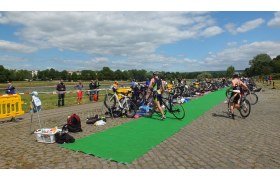
To mimic race day, practice transitions between swimming and cycling by completing a swim followed immediately by a bike ride. This helps your body adjust to the shift in muscle groups and prepares you mentally for race conditions.
Nutrition and Hydration Strategies for Cyclists
Nutrition plays a critical role in cycling performance. A well-rounded diet supports sustained energy levels and recovery:
Fueling Before Rides
Consume a carbohydrate-rich meal 2-3 hours before long rides. Consider foods like oatmeal or whole-grain bread with banana to optimize energy reserves.
During Rides
For rides longer than 90 minutes, aim to intake energy gels or bars every 30-45 minutes. Hydration is equally essential, so drink water or a sports drink infused with electrolytes to replace lost minerals.
Post-Ride Recovery
Consume protein and carbohydrates within 30 minutes of completing your ride to aid recovery. A smoothie with protein powder, yogurt, and fruit works excellently for replenishing energy.
Key Recovery Techniques
In cycling, recovery is as vital as the training itself. Implement the following strategies:
1. Active Recovery
Engage in low-intensity rides or swimming sessions to flush out lactate and promote healing without placing further stress on your body.
2. Sleep
Adequate sleep is crucial for recovery. Aim for 7-9 hours a night to help your body heal and regenerate muscle tissue.
3. Stretching and Foam Rolling
Regularly incorporating flexibility exercises and foam rolling aids in recovery and mitigates the risk of injuries by keeping muscles pliable.
Mental Preparation and Race Strategy
Your mindset can make or break your performance during a triathlon. Adopting effective mental strategies can prepare you for the endurance challenges ahead:
1. Visualization
Practice mental imagery by visualizing your race day – the swim start, bike course, and eventual run. This technique helps you mentally prepare for various scenarios.
2. Set SMART Goals
Setting Specific, Measurable, Achievable, Relevant, and Time-bound goals helps focus your training efforts and establishes benchmarks to measure progress.
3. Develop a Mantra
A supportive mantra can help you push through tough moments during training and races. Phrases like “stronger than my excuses” can provide mental fortitude in challenging situations.
Conclusion
Becoming a faster and more enduring triathlon cyclist requires a multifaceted approach involving effective training plans, specific exercises, nutrition strategies, recovery techniques, and mental preparation. By following structured training and integrating these components into your routine, you can significantly enhance your performance. Remember, consistency is key!
For more insights on optimizing your cycling performance, check out our article on Optimize Your Cycling Performance! Understand the Benefits of Deep Rim Wheels for Triathlon: Aerodynamics, Speed, and Time Savings.
🧠 FAQ - Triathlon Cycling Training
❓ How long should my endurance rides be?
Endurance rides typically range from 1.5 to 3 hours, depending on your training phase and experience level.
❓ What type of bike should I use for triathlon training?
A triathlon-specific bike or a road bike is best for training, offering aerodynamic positions and comfort during long rides.
❓ How often should I do interval training?
Interval training should be incorporated 1-2 times a week, focusing on different intensity and duration intervals.
❓ What should I eat before a long ride?
A meal rich in carbohydrates, such as oatmeal with bananas, is ideal 2-3 hours before a long ride.
❓ How can I ensure proper recovery after intense cycling?
Engaging in active recovery, getting adequate sleep, and nourishment with protein and carbs are crucial elements for effective recovery.
❓ How can I improve my cycling strength?
Incorporate hill repeats and strength training focused on core and leg muscles to develop cycling strength effectively.