Optimize Your Cycling Performance! Understand the Benefits of Deep Rim Wheels for Triathlon: Aerodynamics, Speed, and Time Savings.
Par Sarah Publié le 04/11/2025 à 07h00 — modifié le 03/11/2025 à 07h00 Temps de lecture : 3 minutes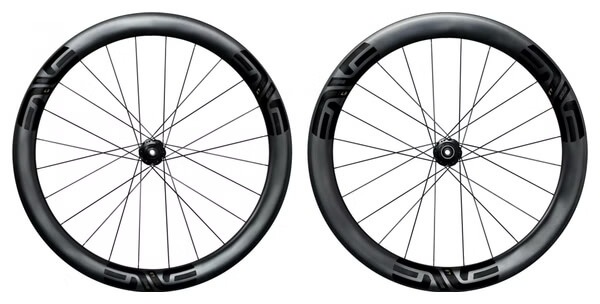
Introduction
As an endurance athlete, optimizing your cycling performance is crucial, especially during triathlons where the bike segment can significantly influence your overall time. One of the most impactful upgrades you can make to your cycling setup is investing in deep rim wheels. These wheels are engineered for speed and efficiency, promoting better aerodynamics while maintaining stability. In this article, we will explore how deep rim wheels can enhance your triathlon performance by examining their aerodynamics, speed benefits, and potential time savings.
What Are Deep Rim Wheels?
Deep rim wheels are designed with higher rims, typically ranging from 30mm to 80mm in depth. This design allows for a more aerodynamic profile, which is particularly beneficial for triathletes looking to maximize their performance on the bike course. Unlike shallower wheels, deep rim wheels help to cut through the air more efficiently, which can lead to improved speed and reduced energy expenditure.
The Science of Aerodynamics
Aerodynamics plays a pivotal role in cycling performance, especially at higher speeds. The deeper the rim, the less drag the wheel produces. A study published in the Journal of Sports Sciences illustrates that aerodynamic gains from deep rim wheels can significantly decrease the power required to maintain a given speed. This means that with deep rim wheels, you can maintain higher speeds with less effort, making them a smart choice for long-distance events such as triathlons.
Drag Coefficient Explained
The drag coefficient is a critical factor in understanding aerodynamics. It measures how easily an object moves through air. Deep rim wheels reduce the overall drag coefficient, resulting in less resistance as you ride. This is particularly important during a triathlon, where every second counts, and reducing drag translates to time savings. Choosing the right wheel not only affects drag but also affects stability and control, which we'll discuss later.
Performance Enhancements with Deep Rim Wheels
Beyond aerodynamics, deep rim wheels contribute to your overall performance in several key ways:
- Improved Speed: The main benefit of deep rim wheels is that they allow for greater speed without increased effort. The aerodynamic properties help you maintain higher speeds, especially on flat terrains.
- Time Savings: Utilizing deep rim wheels can result in significant time savings over long distances. Research has shown that triathletes can save several minutes during a cycling leg by deploying these wheels effectively.
- Enhanced Stability: While its principal design offers speed benefits, deep rim wheels also provide better stability in crosswinds, which can be a common factor during outdoor triathlons.
- Visual Appeal: Let's not ignore aesthetics! Deep rim wheels often have a sleek look that can motivate athletes with a visually appealing cycling setup.
Speed Factors in Depth
The speed enhancement from deep rim wheels is due to their shape and construction. The wider and deeper the rim, the better it cuts through the wind. In practice, a triathlete might discover that switching from a standard 30mm rim to a 50mm rim can reduce the required power output at a given speed. This means more energy can be conserved for the run segment, increasing your endurance during the latter parts of the triathlon.
Choosing the Right Deep Rim Wheels
When it comes to selecting deep rim wheels, several factors must be taken into consideration:
- Depth: Assess the ideal rim depth based on your typical cycling terrain. For flat courses, deeper rims can yield more benefits than on hilly terrains.
- Material: Look for wheels made from high-quality materials, such as carbon fiber, which provide not only a weight advantage but also enhanced aerodynamic properties.
- Brake System: Ensure compatibility with your current brake system, whether it's rim or disc brakes, as deep rim wheels can affect braking performance.
- Weight: While deep wheels are typically heavier, make sure your choice strikes a balance between weight and aerodynamic benefits.
- Brand Reputation: Choose reputable brands known for their research, development, and performance metrics in the cycling community.
Maintaining Deep Rim Wheels
Once you’ve invested in deep rim wheels, proper maintenance is crucial for maximizing performance:
- Regular Cleaning: Road grime and dirt can affect performance and aerodynamics; clean your wheels after each ride.
- Inspect for Damage: Check for any cracks or chips that could compromise wheel integrity, particularly if using carbon wheels.
- Tire Pressure: Maintain the optimal tire pressure; overinflation or underinflation can drastically affect performance and handling.
- Wheel Truing: Regularly check that your wheels are true, as misalignment can worsen aerodynamics and speed.
Conclusion
Incorporating deep rim wheels into your triathlon bike setup is a strategic move for athletes who aim for excellence in performance. The aerodynamic advantages, speed benefits, and time savings can transform how you experience the bike leg and potentially influence your race outcome. By understanding your specific needs, choosing the right wheels, and maintaining them well, you can step up your cycling game and tackle your next triathlon with confidence.
🧠 FAQ - Deep Rim Wheels for Triathlon
❓ What are the main benefits of deep rim wheels?
The main benefits of deep rim wheels include improved aerodynamics, increased speed, better stability in crosswinds, and time savings during races.
❓ How do deep rim wheels enhance aerodynamics?
Deep rim wheels enhance aerodynamics by reducing the drag coefficient, allowing the rider to move through the air more efficiently and with less effort.
❓ Are deeper rims better for all terrains?
No, deeper rims are generally better for flat terrains. In hilly areas, shallower rims may be more beneficial due to their lighter weight and improved climbing efficiency.
❓ Is there a weight disadvantage to deep rim wheels?
Yes, deep rim wheels tend to be heavier than shallower options. However, the aerodynamic benefits can outweigh the weight disadvantage in many racing scenarios.
❓ How often should I maintain my deep rim wheels?
You should clean and inspect your deep rim wheels after each ride, checking for dirt, damage, and ensuring proper tire pressure.
❓ Which brands are recommended for quality deep rim wheels?
Some recommended brands include Zipp, DT Swiss, Reynolds, and Mavic, renowned for their expertise and high-quality products in the cycling realm.