Discover the Importance of General Physical Preparation (GPP) in Triathlon: Benefits, Key Exercises, and Training Integration
By Sarah Published on 13/12/2025 at 19h01 — modified on 12/12/2025 at 19h01 Reading time : 2 minutes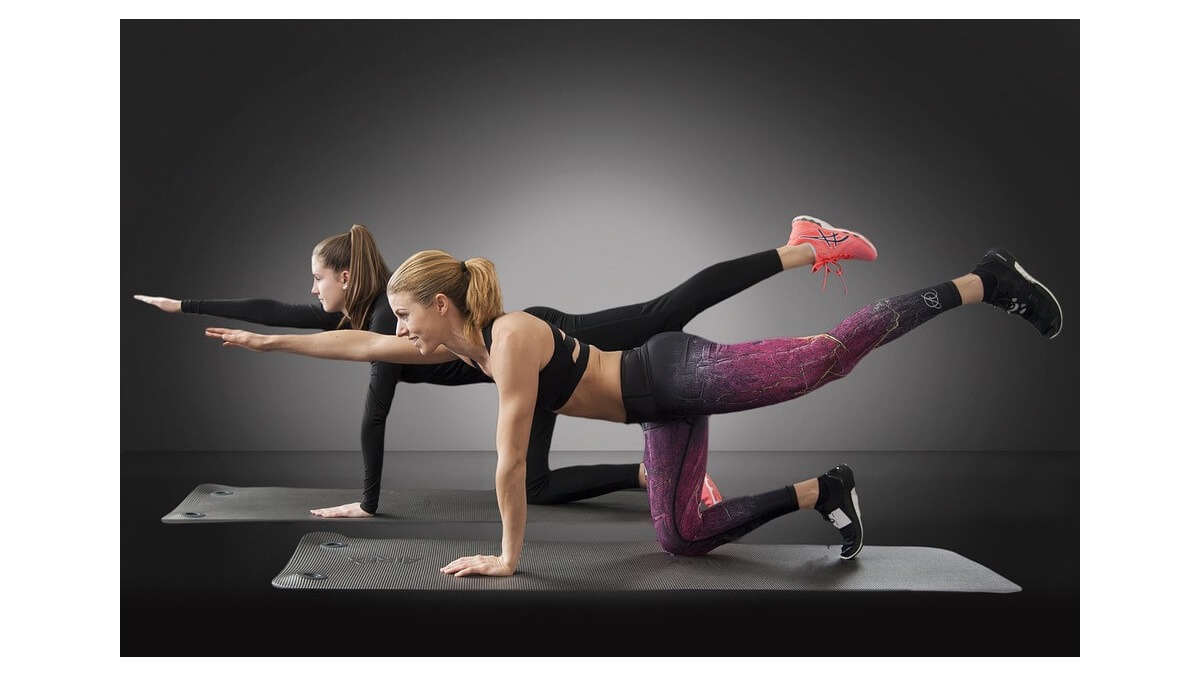
Understanding General Physical Preparation (GPP)
General Physical Preparation, or GPP, is a foundational component of endurance athletic training, notably for triathletes. It refers to a training phase focused on building overall strength, flexibility, and endurance, laying the groundwork for more specialized training later on. By developing a solid base through GPP, athletes can enhance their performance and reduce the risk of injuries.
The Importance of GPP in Triathlon
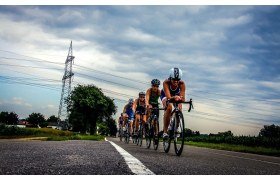
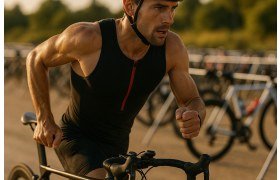
The triathlon is an intricate combination of three disciplines: swimming, cycling, and running. Each of these activities demands specific skills and physical attributes. Integrating GPP into your training regimen ensures that you cultivate the overall physical attributes necessary to excel in triathlon.
Benefits of GPP for Triathletes
- Enhanced Overall Fitness: GPP improves aerobic capacity, muscular strength, flexibility, and coordination, leading to better performance across all triathlon disciplines.
- Injury Prevention: A well-rounded physical preparation helps in strengthening connective tissues and muscles, reducing the likelihood of overuse injuries common in triathlon training.
- Increased Efficiency: Overall conditioning can lead to improved form and efficiency in each of the three sports due to stronger stabilizing muscles.
- Foundation for Specific Training: GPP sets a solid base for more intense and specific training, allowing you to tackle high-intensity workouts and peak training periods with confidence.
Key Exercises for GPP in Triathlon
To maximize the benefits of GPP, it’s essential to incorporate a variety of exercises that target different muscle groups and energy systems.
Strength Training Exercises
- Squats: Squats build the strength of your lower body, critical for cycling and running.
- Deadlifts: Strengthens the posterior chain, essential for maintaining good posture and generating power in cycling and running.
- Bench Press / Push-Ups: These upper body exercises help with swimming strength, particularly in strokes that require high tension.
- Pull-Ups: Enhances upper body strength crucial for stability and power while swimming.
- Core Workouts: Planks, Russian twists, and leg raises are vital for a strong core, which is essential for proper form across all triathlon disciplines.
Endurance and Flexibility Exercises
GPP isn’t just about lifting weights; it also includes cultivating endurance and flexibility.
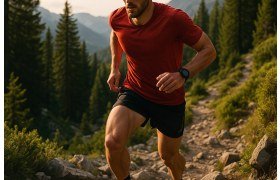
- Long Runs and Rides: These are essential for building aerobic capacity. Aim for a long run once a week and incorporate long rides on the bike.
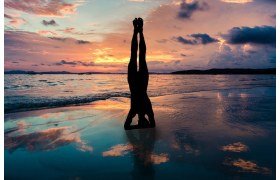
- Yoga or Pilates: Both practices enhance flexibility and balance, which can directly improve performance and reduce injury risk.
- Mobility Drills: Include dynamic stretches and mobility exercises to improve range of motion, vital for all three segments of triathlon.
Integrating GPP into Your Training Plan
To effectively incorporate GPP into your triathlon training, consider these strategies:
1. Schedule GPP Phases
Plan dedicated GPP phases in your training cycle. During an off-season or the base training period, focus more on GPP workouts, integrating them into your weekly routine.
2. Balance GPP with Swim, Bike, and Run Training
While focusing on GPP, maintain a balanced schedule that includes swimming, cycling, and running workouts. For example, you might structure your week as follows:
- Monday: Strength training (focus on lower body)
- Tuesday: Swimming (endurance focus)
- Wednesday: Strength training (upper body and core)
- Thursday: Cycling (tempo ride)
- Friday: Rest or yoga
- Saturday: Long run
- Sunday: Outdoor ride (long distance)
3. Monitor Your Recovery
Incorporate recovery strategies into your training, such as active recovery days, proper hydration, and nutrition to support your GPP efforts.
4. Track Your Progress
Keep a training journal to monitor your performance in strength exercises and how they correlate with your swim, bike, and run times. Tracking will allow you to make informed adjustments to your training effectively.
Conclusion
General Physical Preparation is a crucial element in developing a triathlete's overall endurance and competence. By focusing on building a strong foundation through GPP, you can enhance your performance, reduce the risk of injury, and ensure a smoother transition into specialized training cycles. Implement these exercises and strategies to position yourself for success in your next triathlon.
🧠 FAQ - General Physical Preparation (GPP) in Triathlon
❓ What is General Physical Preparation (GPP)?
GPP refers to training aimed at enhancing overall fitness, including strength, flexibility, and stamina, laying the foundation for more specific training.
❓ Why is GPP important for triathletes?
GPP improves overall fitness, prevents injuries, enhances performance efficiency, and prepares athletes for more specialized training.
❓ What are key exercises for GPP in triathlon?
Key exercises include squats, deadlifts, upper body strength exercises, long runs, and flexibility workouts like yoga or Pilates.
❓ How often should I incorporate GPP into my training?
Incorporate GPP phases primarily in your off-season or base training period, adjusting based on your overall training schedule.
❓ Can I still train for swimming, cycling, and running while focusing on GPP?
Yes, balance GPP with swimming, cycling, and running workouts to ensure comprehensive development.
❓ How can I track progress in my GPP training?
Maintain a training log to monitor performances in strength exercises and their impact on your swim, bike, and run metrics.