Enhance Your Balance and Coordination! Learn How Proprioception Can Help You Prevent Injuries and Excel in Triathlon
By Sarah Published on 12/12/2025 at 19h01 — modified on 11/12/2025 at 19h01 Reading time : 3 minutes
Introduction
As a triathlete, you understand that every aspect of your performance is critical—from your swim to your bike to your run. However, one of the often-overlooked components is proprioception, or your body's ability to perceive its position in space. This skill is essential not just for executing techniques effectively, but also for maintaining balance and coordination, thereby helping you to avoid injuries. In this article, we will explore how proprioception influences your triathlon training, tips to enhance your proprioceptive abilities, and practical exercises you can incorporate into your routine.
Understanding Proprioception
Proprioception is a type of sensory feedback that helps your body respond to changes in the environment. It involves receptors in your muscles, tendons, and joints that inform your brain about your body’s position and movement. For triathletes, strong proprioceptive skills can improve technique, enhance performance, and significantly reduce the risk of injuries.
Why Proprioception Matters for Triathletes
- Injury Prevention: Enhanced proprioception can help you make quick adjustments to your body position, mitigating the risk of falls and injuries.
- Improved Balance: Good balance is crucial for effectively navigating transitions and maintaining a consistent performance during the swim, bike, and run segments.
- Enhanced Coordination: Triathlons require seamless transitions between different disciplines, and coordinated movements can make these transitions smoother.
- Increased Performance: Enhanced proprioceptive abilities can improve your response time, agility, and overall efficiency in movement.
How to Train Proprioception
Training proprioception involves exercises that challenge your balance and coordination, allowing your brain and body to work more synergistically. Here are some effective methods to incorporate into your training regimen:
1. Balance Training
Balance exercises can significantly enhance your proprioception. Introducing unstable surfaces such as balance boards, Bosu balls, or stability discs can challenge your body’s positioning. Here are a few exercises to get you started:
- Single-Leg Balance: Stand on one leg while maintaining your balance. To increase the challenge, try closing your eyes or moving your free leg in different positions.
- Bosu Ball Squats: Stand on a Bosu ball and perform squats. This will require you to engage your core for balance while executing a fundamental movement.
- Balance Board Relays: Stand on a balance board and shift your weight from side to side. This exercise builds lateral stability, which is essential for the lateral movements in triathlon.
2. Strength Training
Strengthening the muscles involved in maintaining balance and stability is key. Focus on functional strength training exercises that mimic the motions you perform in triathlon.
- Leg Press: Improves strength in the lower body.
- Core Exercises: Planks, medicine ball throws, and rotational exercises can enhance overall stability.
- Single-Leg Deadlifts: This exercise not only builds strength but also enhances balance and proprioception in your hamstrings and lower back.
3. Plyometric Training
Plyometric exercises improve explosive power and balance. Incorporating jumps, hops, and bounds can foster better proprioceptive response in dynamic situations.
- Box Jumps: Stand in front of a sturdy box and jump onto it, landing softly and maintaining your balance.
- Lateral Bounds: Jump laterally from side to side, focusing on landing softly and controlled.
- Depth Jumps: Step off a box and jump immediately upon landing, promoting rapid proprioceptive feedback.
Practical Tips for Maintaining Proprioception
Beyond structured exercises, here are some tips to help you boost proprioception during your regular training sessions:
- Vary Your Workouts: Constantly changing your workout environment, surface types, and training techniques can help improve proprioceptive skills.
- Mind Your Form: Focus on maintaining proper form in every exercise, whether you’re swimming, cycling, or running. Awareness can improve control.
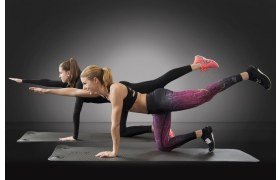
- Incorporate Yoga or Pilates: Both practices emphasize body awareness and control, which can enhance your proprioceptive skills.
- Engage in Footwear Awareness: Train barefoot or in minimal shoes occasionally to strengthen foot proprioceptors that are vital for balance.
The Role of Technology
In today’s athletic world, technology can aid in proprioceptive training. Wearable devices that measure balance and agility can provide you with immediate feedback on your progress. Moreover, virtual reality (VR) technology is beginning to emerge as a promising tool for enhancing proprioceptive training by immersively simulating various athletic scenarios.
Integrating Proprioception into Your Training Plan
For a well-rounded training plan, consider allocating at least two sessions a week to proprioceptive exercises. Integrate them into existing workouts—for example, performing balance exercises as part of your warm-up or incorporating them into cool-down routines to enhance recovery.
Conclusion
Incorporating proprioceptive training into your triathlon preparation can set you apart from your competitors. By enhancing your balance and coordination, you'll not only improve your performance but also significantly reduce injury risks. Starting small, slowly integrating these exercises into your routine, and making conscious efforts to maintain awareness during training can lead to higher proficiency and confidence on race day. Embrace these principles and watch your triathlon performance excel!
🧠 FAQ - Proprioception and Triathlon Training
❓ What is proprioception?
Proprioception is the body's ability to sense its position, movement, and balance through sensory receptors in muscles, tendons, and joints.
❓ Why is proprioception important for triathletes?
It enhances balance, coordination, and body awareness, which is critical for effective movement and injury prevention during various triathlon disciplines.
❓ What are some exercises to train proprioception?
Some effective exercises include single-leg stands, Bosu ball squats, balance board relays, and various plyometric workouts.
❓ How often should I train proprioception?
Aim to incorporate proprioceptive exercises into your training at least two times a week. You can blend them into your regular workouts.
❓ Can technology help with proprioception training?
Yes, wearable devices and virtual reality technology can provide feedback and simulate training environments to enhance proprioceptive skills.
❓ How does yoga influence proprioception?
Yoga promotes body awareness, control, and balance, making it an excellent complementary practice for enhancing proprioceptive abilities.