Optimize Your T1 and T2 Transitions in Triathlon: Tips and Techniques to Improve Speed and Save Precious Seconds.
By Sarah Published on 17/12/2025 at 07h01 — modified on 16/12/2025 at 07h01 Reading time : 3 minutes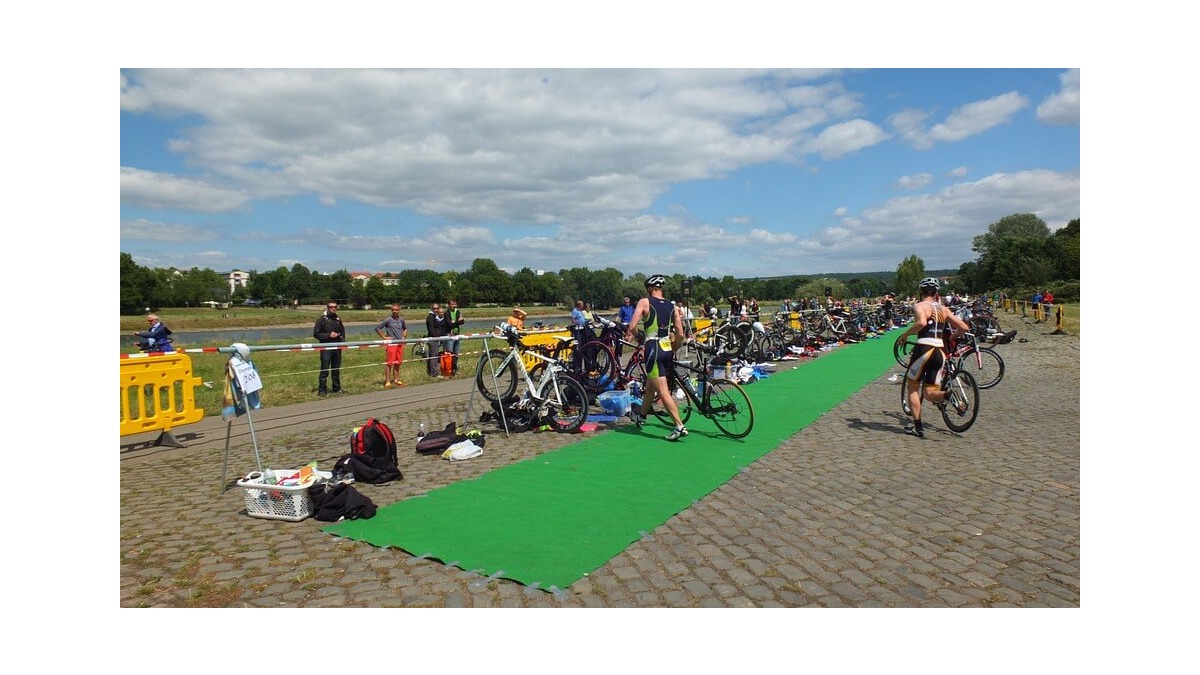
Introduction
In the fast-paced world of triathlon, every second counts. While complete training revolves around swimming, biking, and running, it's easy to overlook the importance of transition time. The periods spent moving from one discipline to the next—T1 (swim to bike) and T2 (bike to run)—can significantly affect your overall race performance. Fortunately, with the right techniques and preparation, you can optimize these transitions, ensuring they contribute positively to your race time rather than detracting from it.
Understanding Transitions
Transitions are often called the fourth discipline in triathlon, and for a good reason. A well-executed transition can save you precious seconds—or even minutes—over the course of a race. T1 involves getting out of your wetsuit, putting on your cycling gear, and mounting your bike. T2 is all about dismounting your bike, transitioning your gear, and getting ready to run. Let's break down each transition to help you improve your efficiency.
1. Preparing for T1
Your swim is finished, and now it's time to get ready for the bike. Here are some steps to ensure you're prepared:
- Wetsuit Removal: Practice your wetsuit removal technique. Work on getting it off as quickly as possible—pull it down to your waist before reaching for your transition area to save time.
- Socks and Shoes: Decide whether to wear socks for the bike ride. If you choose to go sockless, practice getting your shoes on without them. Alternatively, consider investing in elastic laces for a quick run.
- Location of Gear: Organize your gear efficiently. Lay everything out in the order you will need it, and ensure your bike is easily accessible from the swim exit.
- Nutrition and Hydration: Have your nutrition and hydration ready to grab as you leave T1.
2. Executing a Fast T1
During the race, your focus should remain on executing your prepared strategies swiftly:
- Upon exiting the water, sprint to your transition area to maintain your heart rate.
- Remove your wetsuit as you run to save time. Most athletes have success using the "barefoot" technique; either remove your suit with your hands behind your back or slide it down as you run.
- Once in your transition zone, quickly dry your feet, if necessary, before slipping on your shoes.
- Secure your helmet before mounting your bike. Remember, the rules state you must wear your helmet before touching your bike.
- Mount your bike as quickly and safely as possible, ensuring you’re mentally prepared for the bike leg.
Optimizing T2
After an exhilarating bike ride, T2 is your final transition before hitting the run. Follow these techniques:
1. Preparing for T2
Just like T1, it's essential to prepare for T2. A well-thought-out plan will help speed this process:
- Dismounting: Know your dismount line and practice dismounting while approaching it fast. Transition to a run just before making your stop.
- Gear Setup: Arrange your run gear neatly, just as you did for the bike. Consider laying your shoes upside-down to facilitate a quick entry.
- Mind Preparation: Mentally prepare yourself for the run during the final moments of your bike.
2. Executing a Fast T2
Efficiency is crucial. Here’s how to execute a quick T2:
- As you approach the transition zone, safely dismount your bike and run it into the area before racking it.
- Quickly remove your helmet after racking the bike—this is one rule every athlete must follow to avoid penalties.
- Slip into your running shoes. If you’ve practiced the technique well, this should be speedy.
- Grab any needed nutrition or hydration and take off running.
Common Mistakes to Avoid
While focusing on your transitions, it’s essential to avoid common pitfalls:
- Panic: Keep calm when the race starts. Manage your breathing to avoid rushing.
- Overpacking: Don’t bring more than you need. An uncluttered transition area speeds up the process.
- Neglecting Practice: Transition training is crucial. Dedicate time to practice transitions regularly.
Benefits of Good Transitions
Optimizing your T1 and T2 will not only enhance your speed but also maintain your heart rate and mental focus, enabling you to perform better. Each second saved can greatly impact your overall result, especially in competitive races. Additionally, feeling confident during transitions can ease anxiety and create a smoother flow throughout the race.
Track Your Progress
Finally, keeping track of your transition times during training can help provide insights and areas for improvement. Using a smartwatch or a simple stopwatch can yield valuable data to guide your development.
Conclusion
Optimizing your T1 and T2 transitions in triathlon is a critical but often overlooked component of race day preparation. By understanding the mechanics, preparing correctly, and practicing your technique, you can save valuable seconds and enhance your overall performance. Remember, transitions might just be the edge you need to cross the finish line faster!
🧠 FAQ - T1 and T2 Transitions
❓ What is the average time taken for T1 and T2?
The average T1 time ranges from 1.5 to 3 minutes, while T2 averages around 1 to 2 minutes depending on the athlete's practice and efficiency.
❓ How can I practice my transitions effectively?
Set up a mini transition area in your home or local park, run through the motions of T1 and T2 with all gear as you would on race day, focusing on speed and efficiency.
❓ Should I wear socks during the bike leg?
That depends on comfort and personal preference. Many athletes opt for sockless riding to save time, so consider practicing both ways.
❓ Are there specific footwear options for faster transitions?
Elastic laces are a great option for quick shoe entry during T2, allowing you to streamline your running shoe transition.
❓ What is the best way to reduce panic during transitions?
Regular practice builds familiarity, so simulate race day conditions during training. Focus on breathing and keep a steady pace while moving through your transitions.
❓ How does nutrition affect my transitions?
Proper nutrition ensures your energy levels are optimal. Prioritize hydration and quick energy sources in your transition area to maintain performance.
For more insights on triathlon preparation, check out our guide: Gear Up and Train for Your First Triathlon: The Essential Equipment Guide.