Gear Up and Train for Your First Triathlon: The Essential Equipment Guide
Par Sarah Publié le 15/11/2025 à 07h02 — modifié le 14/11/2025 à 07h02 Temps de lecture : 3 minutes
Introduction
For many athletes, completing a triathlon marks a significant milestone in their endurance journey. It combines swimming, cycling, and running, requiring both physical and mental fortitude. But aside from rigorous training, having the right equipment can drastically influence your performance and enjoyment. In this article, we’ll cover the essential gear needed to prepare for your first triathlon.
Understanding the Triathlon Components
A triathlon consists of three sections: swimming, cycling, and running. Each segment requires specialized equipment, which we will discuss in detail below.
1. Swimming Gear
Swimming is the first leg of a triathlon, and having the right gear can make a significant difference in your performance and comfort.
Wetsuit
- Why You Need It: Depending on the water temperature, a wetsuit can provide warmth and buoyancy, helping you float more easily.
- Fit: Ensure your wetsuit fits snugly but is not overly restrictive. Look for options from brands like TYR or Blueseventy.
Goggles
- Types: Choose goggles that fit well and reduce glare. Brands like Speedo and Zoggs offer excellent options.
- Fogging: Consider anti-fog features for clearer visibility on race day.
Swim Cap
Swim caps help to reduce drag and keep your hair out of your face. Look for ones that are comfortable and fit securely.
2. Cycling Gear
Cycling is the longest part of a triathlon, demanding efficiency and comfort.
Bike
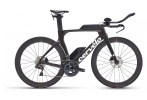
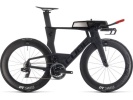
- Type: Depending on your budget, you can go for a road bike or a triathlon-specific bike. Brands like Trek and Specialized provide a range of options suitable for beginners.
- Fit: A proper bike fit can enhance comfort and performance, so consider having one done at a local bike shop.
Helmet
A quality helmet is non-negotiable for safety. Ensure it meets safety standards and fits well; choose a model that offers good ventilation for warm days.
Additional Cycling Gear
- Clothing: Look for padded cycling shorts or tri suits for additional comfort on longer rides.
- Pedals: Decide whether you'll go with clipless or platform pedals. Clipless pedals can enhance power transfer but require practice to use effectively.
3. Running Gear
The final leg of the triathlon requires gear that supports endurance and comfort.
Shoes
- Type: Running shoes should match your foot type and running style. Brands like Asics and Brooks offer a variety of supportive options.
- Considerations: Break in new shoes before race day to avoid blisters and discomfort.
Running Clothes
Choose lightweight, moisture-wicking fabrics to keep you comfortable during the run.
Nutrition and Hydration Gear
Proper nutrition and hydration are critical to your performance in any endurance event, including a triathlon.
Nutrition
- Energy Gels: Pack energy gels that contain easily digestible carbohydrates for sustained energy.
- Solid Foods: Some athletes prefer solid foods like energy bars, but these can take time to digest.
Hydration
- Water Bottle: A lightweight and easy-to-carry water bottle is essential, especially for the cycling leg.
- Hydration Pack: For longer training sessions, a hydration pack can help ensure you have enough fluids on hand.
Recovery and Injury Prevention Equipment
Recovery is just as crucial as training, and having the right equipment can minimize injury risks.
Foam Roller
A foam roller is an effective tool for alleviating muscle soreness and preventing injuries by promoting muscle recovery.
Compression Gear
Consider wearing compression socks or sleeves to enhance blood flow and reduce muscle fatigue during and after your events.
Technology and Performance Gear
In today’s digital age, technology can provide valuable data to enhance your training and performance.
GPS Watch
A GPS watch can track your distance, pace, and heart rate, offering insights into your performance and helping you tailor your training.
Heart Rate Monitor
Incorporating a heart rate monitor into your training can help you understand your exertion levels and optimize your efforts across all three disciplines.
Final Preparations
As race day approaches, it's essential to familiarize yourself with your gear and how it all works together. Here are some final tips:
- Practice Transitions: Familiarize yourself with how to transition quickly from swimming to cycling and then to running.
- Test Your Gear: Use your gear during training to ensure everything works smoothly and you feel comfortable.
- Have a Backup Plan: Be prepared for equipment failures by having backups or a strategy if something doesn’t work on race day.
Conclusion
Equipping yourself with the right gear is crucial for a successful first triathlon. Investing in quality equipment catered to your needs will enhance your performance and enjoyment, making your entry into this exciting sport a lot smoother. Remember to train consistently, stay motivated, and enjoy the journey!
🧠 FAQ - Triathlon Equipment
❓ What is the best wetsuit for beginners?
The best wetsuits for beginners are those that offer a good fit, buoyancy, and comfort. Brands like TYR and Blueseventy have great options. Look for neoprene material for warmth and flexibility.
❓ Do I need a triathlon-specific bike?
While a triathlon-specific bike can enhance performance, a road bike can also work well for beginners. Ensure it is lightweight and fits your body correctly.
❓ How much should I expect to spend on triathlon gear?
Expect to spend anywhere from $500 to $3,000 depending on the quality of your bike and gear. Prioritize essentials like your wetsuit, bike, and running shoes first.
❓ What's the best way to hydrate during the race?
During a triathlon, hydrate before and after segments, using a water bottle on your bike and grabbing fluids during the run. Practice your hydration strategy during training.
❓ How can technology enhance my training?
Technology like GPS watches and heart rate monitors can help track your performance, set goals, and modify your training for better results.
❓ What is essential gear for the running segment?
An excellent pair of running shoes, moisture-wicking clothing, and a comfortable running belt for carrying gels or fluids are essential for the running segment.