Achieve Flow in Triathlon: Practical Techniques and Science-Backed Tips
Par Sarah Publié le 18/10/2025 à 08h02 — modifié le 17/10/2025 à 08h02 Temps de lecture : 4 minutes Crédit Image: Patrick Schneider
Understanding Flow in Triathlon
For endurance athletes, the experience of being in a state of flow is often described as the ultimate performance state. When you hear athletes talk about losing track of time, completely immersing themselves in their activity, and experiencing joy despite the physical exertion, they are capturing the essence of flow. Flow is a psychological state where you feel completely absorbed in the task at hand, experiencing a seamless connection between mind and body.
In triathlon, achieving flow can significantly enhance your performance, whether you're swimming, cycling, or running. This guide will explore practical techniques, quantified benchmarks, and science-backed tips to help you discover and maintain flow throughout your triathlon training and races.
What is Flow?
Flow is a term popularized by psychologist Mihaly Csikszentmihalyi. According to his research, flow occurs when the challenge of the activity meets your skill level, resulting in a highly focused mental state. When athletes experience flow, they often report:
- Intense concentration and focus on the activity
- A sense of control over their performance
- Loss of self-consciousness
- The experience being intrinsically rewarding
Understanding these components is crucial for triathletes seeking to achieve flow during training and competition.
Why Flow Matters for Triathletes
Flow can lead to enhanced performance, reduced feelings of fatigue, and improved satisfaction with your training and racing experiences. Athletes who enter a flow state often find themselves achieving personal bests without the accompanying levels of stress and anxiety. Flow enables you to tap into optimal performance zones where you feel both powerful and at ease.
Several studies have explored the benefits of flow in sports:
- A study published in the Journal of Sport & Exercise Psychology found that athletes who reported greater instances of flow had higher levels of satisfaction and motivation.
- Another research indicated that a consistent flow state improved athletic performance across various sports disciplines, including triathlon.
Key Techniques to Achieve Flow in Triathlon
Here are some practical techniques that can help you find your flow during triathlon training:
1. Set Clear Goals
Before each training session or race, establish clear, attainable goals. These goals can range from time trials, pacing, or even skill improvements in swimming, cycling, or running. Having specific objectives helps you focus your mind and engage more meaningfully with the task at hand.
2. Find Your Optimal Challenge
To maintain flow, the level of challenge must match the skill level. If the challenge is too great, anxiety may arise; if it's too easy, boredom can set in. Experiment with varying training intensities and distances to find that sweet spot where challenge meets skill.
3. Develop Mindfulness Practices
Incorporate mindfulness techniques such as meditation, breathing exercises, or yoga into your routine. These practices help enhance focus and cultivate the presence of mind necessary for entering flow states.
4. Use Visualization Techniques
Visualizing successful performances can be a powerful tool. Spend time picturing yourself in races—feeling the sensations in your body, maintaining momentum, and achieving your goals. Visualization enhances mental rehearsal, which can lead to a more fluid performance when it matters most.
5. Maintain a Regular Routine
Consistency is key to achieving flow. Develop a regular training schedule tailored to your needs. Adherence to a routine helps in creating an environment conducive to flow, where everything feels familiar and comfortable.
6. Foster a Positive Mindset
Embrace positive affirmations and self-talk to boost your confidence and alleviate negative thoughts that could hinder your performance. The brain is incredibly powerful, and cultivating a growth mindset can help you handle both successes and setbacks.
7. Engage with a Supportive Community
Joining local training groups or finding workout partners can enhance motivation and accountability. A supportive network can provide encouragement and feedback, creating an environment that helps foster flow.
Quantified Benchmarks for Measuring Flow
Having measurable benchmarks can provide tangible goals that help you assess your performance and your ability to enter flow states:
1. Performance Metrics
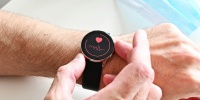
Track your swim, bike, and run times meticulously. Using tools like GPS watches or heart rate monitors helps you quantify your progress. Analyze these metrics to discover patterns during sessions where you experienced flow versus times when you struggled to find it.
2. Perceived Exertion Scale
Utilize a Rate of Perceived Exertion (RPE) scale during training sessions. Evaluate how you felt during each session on a scale from 1 to 10. Nailing down the correlation between RPE and your experience of flow can provide insights into optimizing your training sessions.
3. Emotional Feedback Journals
Create an emotional feedback journal to document your training sessions. Note how you felt before, during, and after each session, focusing on moments when you achieved flow and those when you did not. Look for trends in your environment, mindset, and training goals.
Science-Backed Tips to Maintain Flow During Races
Flow isn't just something to aim for during training; it can also be crucial for race day. Here are some science-backed tips to maintain flow when it counts:
1. Warm-Up Effectively
A proper warm-up not only prepares your body physically but sets the mental stage for flow. Activities such as dynamic stretching or a light jog can release endorphins, enhancing mood and focus.
2. Mind Your Breathing
Breathing techniques can anchor you mentally during competition. Slow, rhythmic breathing helps calm nerves, allowing you to concentrate better on your performance and get into the flow.
3. Embrace the Environment
Situational awareness can enhance your experience of flow. Take a moment before starting to appreciate the setting—sounds, smells, and sights. This connection can ground you and bring a sense of calm before a race.
4. Banish Distractions
Identify your distractions and find ways to minimize them during races. Whether it’s a crowded starting area or your own doubts, focusing on what you can control (your technique, pacing, etc.) can help maintain flow when competition heats up.
5. Count Your Cadence
For cycling and running, counting your cadence can create a rhythm to focus on. This rhythmic aspect allows your mind to focus solely on your efforts, enhancing the likelihood of entering flow. For instance, aim for a specific number of pedal strokes per minute while cycling.
Conclusion
Flow is more than just an exhilarating moment; it's a scientifically backed state of being that can catapult your triathlon performance to new heights. By setting clear goals, finding the right challenges, and maintaining a positive mindset, you can engage in practices that promote flow during both training and racing. Remember to quantify your experiences and apply insights from your performance metrics to enhance this elusive but transformative state. With these strategies, you’ll be well-equipped to achieve flow in your triathlon journey.
Looking to enhance your overall performance? Check out our article on How Trail and Triathlon Nutrition Enhances Mental Health for Athletes for additional insights that complement your training regime.
🧠 FAQ - Achieve Flow in Triathlon: Practical Techniques and Tips
❓ What is flow in the context of triathlons?
Flow is a mental state where athletes are fully immersed in their activities, resulting in enhanced performance and satisfaction.
❓ How can I set clear goals to achieve flow?
Establish specific, measurable, and attainable goals for each training session or race.
❓ What techniques can help me maintain flow during races?
Use effective warm-ups, breathing techniques, and focus strategies such as counting cadence to maintain flow during races.
❓ Can mindfulness practices really help with flow?
Yes, mindfulness practices like meditation can enhance focus and help athletes enter a flow state.
❓ Is there scientific evidence supporting the benefits of flow in sports?
Yes, research has shown that athletes who frequently enter a flow state report higher satisfaction and improved performance.
❓ How can I track my flow experiences?
Use performance metrics, perceived exertion scales, and emotional feedback journals to track and analyze your flow experiences.