Discover the Essential Role of ATP in a Triathlete's Muscle Energy: A Comprehensive Guide
Par Sarah Publié le 23/10/2025 à 20h18 — modifié le 22/10/2025 à 20h18 Temps de lecture : 4 minutes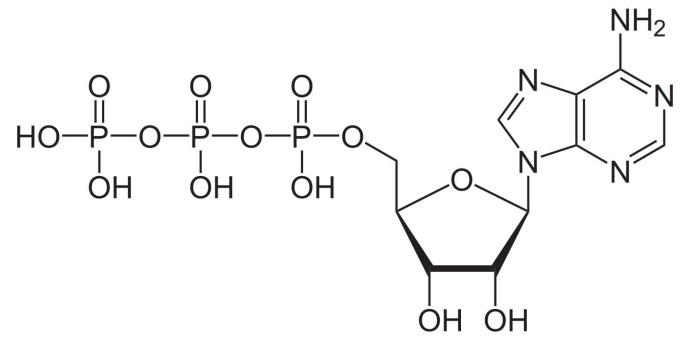
Introduction
Triathletes are known for their rigorous training schedules, pushing their bodies to the limits through swimming, cycling, and running. At the core of their performance lies a molecule that is fundamental to muscle energy: ATP (adenosine triphosphate). Understanding the role of ATP can not only help triathletes improve their efficiency but also optimize their training and race day strategies. In this comprehensive guide, we’ll explore the essential functions of ATP, how it fuels your muscles during endurance events, and practical tips on how to boost your ATP levels for enhanced performance.
What is ATP and Why is it Important?
ATP, or adenosine triphosphate, is often referred to as the energy currency of the cell. This small molecule stores and transports chemical energy within cells, making it crucial for various cellular processes, including muscle contractions during triathlons. During endurance activities such as swimming, cycling, and running, your body relies heavily on ATP to sustain muscle contractions and maintain performance.
The Science Behind ATP Production
ATP is produced through three primary energy systems, each playing a unique role in different durations and intensities of exercise. These are:
- Phosphagen System: This system provides immediate energy (for about 10 seconds) through the breakdown of creatine phosphate, which regenerates ATP quickly for explosive efforts, like sprinting to the finish line.
- Glycolytic System: This anaerobic pathway kicks in after the phosphagen system. It can provide energy for moderate durations (approximately 30 seconds to 2 minutes) through the breakdown of carbohydrates, contributing to efforts like a sustained push during the cycling leg.
- Oxidative System: This is the primary energy system used during longer, more sustainable efforts (over 2 minutes). It relies on carbohydrates and fats, breaking them down aerobically to produce ATP and sustain performance over longer distances, essential during the running portion of triathlons.
The Role of Oxygen
Oxygen plays a crucial role in the production of ATP within the oxidative system. Aerobic metabolism allows triathletes to utilize oxygen for the effective breakdown of nutrients, thereby generating sufficient ATP for endurance activities. Thus, optimizing your aerobic capacity through smart training can significantly amplify your ATP production.
How ATP Fuels Your Endurance Performance
In any triathlon, your body’s ability to produce and utilize ATP effectively can mean the difference between a strong performance and a struggle to finish. Here’s how ATP contributes across all three triathlon disciplines:
Swimming
The swimming segment requires a mix of anaerobic and aerobic energy. The initial moments of a swim often rely on the phosphagen system for explosive movement off the blocks and aggressive strategies against competitors. However, as the race progresses, the oxidative system takes over, providing a sustainable energy source to maintain stroke efficiency.
Cycling
During cycling, energy demands vary significantly depending on terrain and effort level. Climbs or high-intensity surges rely heavily on the glycolytic system for bursts of speed, while longer sections often oscillate between moderate output using aerobic metabolism. Triathletes should emphasize both aerobic capacity through longer rides and anaerobic threshold training through interval sessions to optimize ATP generation across both systems.
Running
Running is predominantly aerobic, particularly in longer-distance triathlons. A well-structured training plan that incorporates intervals, tempo runs, and long runs will enhance muscular endurance and ATP availability, allowing triathletes to maintain steady paces even as fatigue sets in.
Key Figures: Understanding ATP Requirements in Endurance Sports
To optimize training, it's crucial to understand the energy requirements associated with triathlon. Here are some key figures to keep in mind:
- Energy Content of ATP: One molecule of ATP can release approximately 7.3 kcal of energy upon hydrolysis.
- Daily ATP Demand: An average adult may use up to 100 kg of ATP daily, which is continuously recycled within the body.
- Time to Restore ATP levels: ATP levels can be replenished within 2-5 minutes after a high-intensity effort, depending on the recovery protocols employed.
Optimizing ATP Levels for Enhanced Performance
Now that we've learned about the fundamental role of ATP, let’s explore actionable strategies to ensure your body produces sufficient ATP to enhance your performance during training and races.
1. Training Adjustments
Effective training is paramount for optimizing ATP levels:
- Incorporate Interval Training: Including both short, high-intensity intervals and longer, sustained efforts will challenge both the anaerobic and aerobic systems, improving ATP production.
- Focus on Aerobic Conditioning: Long, steady-state workouts will enhance your aerobic metabolism, improving efficiency in utilizing fats and carbohydrates to produce ATP over longer distances.
- Periodization: Implement a well-structured training plan that balances intensity and volume, ensuring recovery periods to allow adaptation and ATP regeneration.
2. Nutrition Strategies
Your dietary choices can significantly impact ATP production:
- Carbohydrates are Key: Consuming adequate carbohydrates before, during, and after training and races will provide the fuel necessary for ATP production. Aim for carbohydrate-rich snacks post-training to replenish glycogen stores.
- Protein Intake: While carbohydrates are the main energy source, protein is essential for muscle repair and recovery. Include lean protein sources in your daily nutrition to support recovery and new muscle synthesis.
- Hydration: Ensure adequate hydration, as dehydration can impair performance and ATP production. Optimal hydration status supports metabolic functions crucial for energy production.
3. Recovery Practices
Rest and recovery play an indispensable role in ATP restoration:
- Sleep: Prioritize quality sleep as it is essential for recovery and energy restoration. Aim for 7-9 hours of restful sleep per night to facilitate muscle repair and ATP resynthesis.
- Active Recovery: Engage in low-intensity activities like light jogging or stretching on recovery days to promote blood flow and aid in ATP regeneration.
4. Supplementation
While whole foods should always be the primary source of nutrition, certain supplements are known to support ATP production:
- Creatine: Used widely among athletes, creatine can help increase phosphocreatine stores in muscles, enhancing ATP regeneration during high-intensity activities.
- B Vitamins: Essential in energy metabolism, B vitamins play a critical role in converting food into usable energy, supporting optimal ATP production.
Mental Preparation: The Concept of Energy
The mental aspect of endurance sports is just as crucial as the physical. Visualizing energy flow in your body can serve as motivation during training and racing. Strategies such as visualization techniques or positive affirmations can greatly enhance your mental focus and performance. Understanding that each movement is a part of a larger system that relies on cellular energy can also help reinforce this connection.
Conclusion
In summary, ATP is vital for the performance of triathletes, serving as the principle source of energy within muscle cells. By understanding how ATP is produced and utilized during training and racing, you can make informed choices regarding your training, nutrition, and recovery strategies. Implementing these practices will not only enhance your endurance capabilities but also allow you to perform at your best when it counts. Embrace the journey of continuous learning and adjust your strategies as necessary, and remember that every bit of energy counts in the pursuit of your goals.
🧠 FAQ - ATP and Muscle Energy in Triathletes
❓ What role does ATP play during a triathlon?
ATP provides the energy required for muscle contractions during all phases of a triathlon, utilizing both anaerobic and aerobic energy systems based on the intensity and duration of each segment.
❓ How is ATP produced in my body?
ATP is produced through three primary energy systems: the phosphagen system, glycolytic system, and oxidative system, each serving various energy needs during exercise.
❓ How can I improve my ATP levels for racing?
You can enhance ATP levels by incorporating high-intensity interval training, optimizing your nutrition with appropriate carbohydrates and proteins, ensuring proper hydration, and prioritizing recovery strategies.
❓ What dietary supplements support ATP production?
Creatine and B Vitamins are known to assist in ATP production and energy metabolism, while a balanced diet rich in carbohydrates is essential.
❓ How important is sleep for ATP regeneration?
Sleep is critical for recovery and ATP regeneration. Aim for 7-9 hours of quality sleep nightly to support muscle repair and optimal energy levels.
❓ How does mental preparation impact ATP use?
Mental preparation, including visualization techniques and positive affirmations, enhances focus and motivation, which can indirectly affect performance and energy utilization during a race.