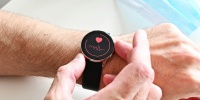
Understand Cardiac Drift in Endurance Sports Training
Par Sarah Publié le 16/10/2025 à 20h02 — modifié le 15/10/2025 à 20h02 Temps de lecture : 3 minutes Crédit Image: Clker-Free-Vector-Images de Pixabay
What Is Cardiac Drift?
Cardiac drift refers to an increase in heart rate during prolonged exercise, even at a steady workload. This physiological phenomenon arises primarily due to dehydration, increased body temperature, and changes in blood flow distribution. Understanding cardiac drift is crucial for endurance athletes—especially triathletes, trail runners, and cyclists—who must maintain optimal performance over long durations.
Why Is Cardiac Drift Important?
Monitoring cardiac drift can provide invaluable insights into your training and racing strategies:
- Performance Optimization: By recognizing when cardiac drift begins, athletes can adjust their pacing to maintain efficiency.
- Training Adaptations: Awareness of how your body responds over time helps develop tailored training programs.
- Dehydration and Fatigue Indicators: Cardiac drift can signal dehydration and overall fatigue before other symptoms appear.
Measuring Cardiac Drift
To measure cardiac drift accurately, you need to monitor your heart rate and exercise intensity over time. Here’s a step-by-step guide to accurately measuring cardiac drift:
- Gather Equipment: Use a reliable heart rate monitor (HRM) that captures minute-by-minute data during training sessions.
- Choose the Right Conditions: Ideally, train in a controlled environment where temperature and humidity are consistent, and avoid excessive heat.
- Establish a Steady State: Begin with a warm-up and then transition into your target intensity for a sustained duration, usually 30-60 minutes.
- Record Heart Rate: Log your heart rate at regular intervals (every 5-10 minutes) during the steady-state phase.
- Analyze the Data: Plot your heart rate against time to identify any upward drift. A rise of 5-10% in heart rate without an increase in workload typically signifies cardiac drift.
Interpreting Cardiac Drift
Understanding your heart's response to prolonged exercise is crucial for interpreting cardiac drift effectively. Consider these key factors:
- Heart Rate Zones: Familiarize yourself with your personal heart rate zones to make sense of your measurements. HR zones typically range from Zone 1 (very light) to Zone 5 (maximum effort).
- Environmental Conditions: Heat and humidity can exacerbate cardiac drift. Keep track of your environment while training.
- Fitness Level: A well-trained athlete may experience less cardiac drift than a less conditioned counterpart, even at similar intensities.
Applications of Cardiac Drift Knowledge
The acknowledgment of cardiac drift allows athletes to enhance their training and racing strategies:
1. Training Adjustments
Adjust your training load based on cardiac drift observations. If heart rates rise excessively during your workouts, you may need more recovery time or to reassess your training intensity.
2. Hydration Strategies
Use cardiac drift data to refine your hydration strategy. If drift occurs after 30 minutes of steady-state exercise, consider integrating more fluids during that phase.
3. Race Day Preparation
Understand your typical cardiac drift to anticipate how it will impact your race strategy. For example, if you know heart rate increases significantly after an hour, plan your pacing accordingly.
4. Signal for Nutrition Needs
Cardiac drift can indicate that your body is in need of nutrients. Recognizing this can prompt you to consume gels or drinks at the right intervals during an event.
Evidence Behind Cardiac Drift
Scientific studies support the notion that cardiac drift can significantly affect athletic performance. According to a study by Montgomery et al., heart rate increases during prolonged aerobic exercise correlate with increased body temperature and decreased blood volume, which ultimately lead to fatigue and decreased performance.
Practical Tools for Monitoring Cardiac Drift
Utilize technology and tools to track your cardiac drift:
- Heart Rate Monitors: Brands like Garmin, Polar, and Suunto offer devices with accurate heart rate tracking capabilities.
- Mobile Apps: Several fitness apps can log your workouts, track heart rate, and analyze drift patterns over time.
- Wearable Tech: Wearable fitness trackers can provide insights into heart rate variability (HRV) and overall fitness levels.
Tips to Mitigate Cardiac Drift
There are strategies athletes can implement to minimize the effects of cardiac drift:
- Stay Hydrated: Ensuring proper hydration before and during exercise can reduce the degree of cardiac drift.
- Acclimatization: Train in hotter conditions periodically to help your body adapt to increased temperatures, which can help manage cardiac drift.
- Pacing Strategies: Use a negative split strategy (running the second half faster than the first) to manage heart rate increases more effectively.
- Build Aerobic Fitness: Increase your aerobic capacity through base training to improve your endurance and reduce the impact of cardiac drift.
Final Thoughts on Cardiac Drift
Understanding cardiac drift is essential for all endurance athletes. By accurately measuring and interpreting heart data, athletes can fine-tune their training, enhance race performance, and ultimately prolong endurance and enjoy better health outcomes. You can train smarter and race better by adopting these insights, tools, and tips into your approach.
🧠 FAQ - Understand Cardiac Drift in Endurance Sports Training
❓ What causes cardiac drift?
Cardiac drift is primarily caused by factors like dehydration, increased body temperature, and altered blood flow during prolonged exercise.
❓ How can I measure cardiac drift effectively?
Use a heart rate monitor while training at a steady intensity and record your heart rate at intervals to analyze any upward trends over time.
❓ What does an increase in heart rate without increased workload indicate?
This typically indicates cardiac drift, signaling that your body is working harder to maintain the same level of intensity.
❓ How can I reduce the impact of cardiac drift during workouts?
Stay hydrated, acclimatize to training conditions, employ adequate pacing strategies, and focus on building your aerobic fitness.
❓ Why is understanding cardiac drift important for endurance athletes?
Recognizing cardiac drift helps athletes optimize their training, enhance performance, and prevent fatigue by monitoring exertion levels accurately.
❓ What tools are available to monitor cardiac drift?
Heart rate monitors, mobile fitness apps, and wearable tech like fitness trackers are useful tools for monitoring heart rate and analyzing drift patterns.