How Clothing Color Impacts Body Temperature and Performance
Par Sarah Publié le 18/10/2025 à 20h01 — modifié le 17/10/2025 à 20h01 Temps de lecture : 3 minutes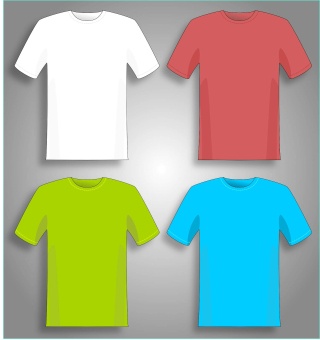 Crédit Image: Johanna84
Understanding the Relationship Between Clothing Color and Body Temperature
As an endurance athlete, whether you're a triathlete, trail runner, swimmer, cyclist, or hiker, understanding how your clothing choices affect your performance, especially in high heat, is crucial. One often overlooked characteristic is the color of the clothing you wear. Different colors absorb and reflect sunlight differently, which can significantly impact your body temperature and, consequently, your overall performance.
Scientific Background on Color and Temperature
Scientific studies have demonstrated that clothing color can indeed influence the absorption of solar radiation. A significant paper published in the Journal of Biomechanics highlighted the physics behind how various colors absorb light. Darker colors tend to absorb more heat compared to lighter colors, which reflect more sunlight, thereby keeping the body cooler. This principle is not just theoretical; it has practical implications for athletes competing in hot conditions.
The Physics of Color
Color is a function of light wavelength. When light hits an object, some wavelengths are absorbed, and others are reflected. Dark colors, such as black and navy blue, absorb more wavelengths, converting that light into heat. On the other hand, lighter colors, such as white and pastel shades, reflect most sunlight, resulting in lower surface temperatures.
Impact of Color on Performance
For endurance athletes, the primary concern is maintaining a stable core body temperature while performing. When body temperature rises excessively, it can lead to decreased performance, fatigue, and even heat-related illnesses. Here’s how clothing color can impact your performance:
- Heat Absorption: Darker clothing can increase skin temperature by absorbing more heat from the sun, leading to earlier onset of fatigue.
- Cooling Mechanism: Lighter colors help reflect sunlight, potentially allowing athletes to perform longer in high temperatures without experiencing extreme heat.
- Psycho-Physiological Factors: Color perception and psychological responses also play a role. Wearing lighter, cooler colors may enhance mood and motivation, positively influencing overall performance.
Practical Tips for Choosing Your Gear
With a scientific understanding of the color-temperature relationship, here are some practical tips for endurance athletes regarding gear selection:
- Select Light Colors: Whenever possible, choose lighter-colored clothing. For instance, white or light gray can be excellent choices for races in hot weather.
- Use Moisture-Wicking Fabrics: Whether your outfit is dark or light, consider using moisture-wicking materials. These fabrics help regulate body heat by drawing moisture away from the skin.
- Evaluate Layering: In cooler climates, effective layering can allow you to manage your body temperature while also considering the colors of each layer.
- Consider UV Protection: Look for clothing designed to protect against UV rays. Many athletes opt for clothing with UPF ratings, which is especially important for long-duration events.
- Incorporate Accessories: Lightweight hats, visors, and even arm sleeves in lighter colors can enhance performance while protecting from sun exposure.
How to Test Clothing Options
Before any competition, test out your clothing in similar conditions to your racing environment. Pay close attention to how each color of clothing you wear feels in terms of comfort and heat regulation. Here’s how to conduct a simple test:
- Choose a Controlled Environment: Try out your gear in a hot climate or on a sunny day.
- Track Performance: Take note of your heart rate, perceived exertion, and how quickly you fatigue while wearing different colors.
- Adjust Accordingly: Based on your findings, adjust your clothing choices for future events.
Beyond Color: Other Influencing Factors
While color is undoubtedly important, there are other factors to consider when choosing your gear:
- Fit: Clothing that fits too tightly can restrict airflow and trap heat. Look for gear designed for optimal fit and comfort.
- Fabric Technology: Innovations in fabric technology have led to breathable, lightweight, and moisture-wicking materials that can improve performance.
- Time of Day: Consider the time when you plan to train or compete. The angle of the sun can change how clothing colors perform.
Case Studies: The Performance Factor
Numerous case studies among professional athletes illustrate the impact of clothing color on endurance performance. For example, a study investigating marathon runners found that those wearing lighter clothing performed better and reported feeling cooler than their counterparts dressed in darker tones.
A group of cyclists participating in an open-road race reported that lighter shades reflected more light, leading to improved concentration and coordination due to the minimization of heat fatigue.
Your Gear Choices for Different Sports
As different sports can have different requirements for clothing based on the level of exposure to the sun and the intensity of activity, here are specific recommendations for endurance athletes in various disciplines:
Triathletes
Choose suits that are designed for comfort in varying temperatures. Lighter colors can be beneficial during long cycling and running segments.
Trail Runners
Select breathable, light colors that reflect heat. Fabrics such as mesh can enhance airflow during high-intensity trails.
Swimmers
While swimwear color may seem less significant due to water immersion, it can affect perceived temperature before entry. Choose lighter colors for cooler days.
Cyclists
Cycling shorts and jerseys should prioritize color and fabric technology. Consider wearing base layers underneath your jersey that are light in color.
hikers
Opt for breathable, lighter outer layers for sunny hikes, with hats offering additional shade. Consider gradient colors that blend well with nature.
Final Thoughts on Gear Selection in High Heat
As endurance athletes, your performance during high-temperature events can be influenced significantly by the colors of your gear. With the right knowledge about the effects of colors, you can make informed choices that enhance your training and competitive experiences. Remember to combine the selection of lighter, moisture-wicking fabrics with smart layering and the use of proper accessories to optimize your performance in any hot environment.
🧠 FAQ - How Clothing Color Affects Performance in Heat
❓ How does clothing color affect body temperature?
Darker clothing absorbs more sunlight, increasing body temperature, while lighter clothing reflects light, helping keep cool.
❓ What colors are best for hot weather endurance sports?
Lighter colors like white and pastels are ideal, as they reflect sunlight and reduce heat absorption.
❓ Can clothing fabric type influence heat retention?
Yes, moisture-wicking and breathable fabrics help regulate body temperature better than heavier materials.
❓ Should I only wear light colors during high heat?
While light colors are preferred, factors like fit and fabric type are equally important for performance.
❓ What additional gear can help in managing heat?
Accessories like hats and arm sleeves in lighter colors can help provide shade and enhance cooling.
❓ How can I test the effectiveness of my clothing choices?
Conduct tests in hot conditions, monitoring comfort, heart rate, and fatigue to determine optimal clothing combinations.