Complete Guide to Your First Triathlon Distance Choices Gear Plans Nutrition
Par Sarah Publié le 14/10/2025 à 08h01 Temps de lecture : 3 minutes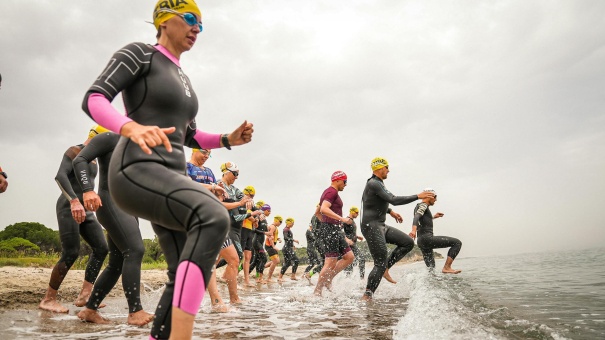 Crédit Image: Ozan Yavuz
Get Ready for Your First Triathlon: An Unmatched Challenge Awaits!
The world of triathlons can be both exhilarating and intimidating, especially for those undertaking their first event. Triathlons combine swimming, cycling, and running into a single race, and they come in varying distances which can cater to different skill levels and ambitions. In this complete guide, we discuss all you need to know about distance choices, essential gear, effective training plans, nutrition, and race strategies to help you embark on this thrilling journey. Let’s get started!
Understanding Triathlon Distances
Triathlons come in several distances, making them accessible for beginners as well as seasoned athletes. Here’s a breakdown of the most common triathlon distances:
- Super Sprint: 400m swim, 10km bike, 2.5km run
- Sprint: 750m swim, 20km bike, 5km run
- Olympic: 1.5km swim, 40km bike, 10km run
- Half Ironman: 1.9km swim, 90km bike, 21.1km run
- Ironman: 3.8km swim, 180km bike, 42.2km run
Choosing the right distance is a personal decision that depends on your fitness level and experience. As a beginner, the Sprint triathlon is often considered an ideal starting point. It allows you to experience the thrill of the sport without overwhelming physical demands.
Essential Gear for Your First Triathlon
Having the right gear can significantly enhance your triathlon experience. Here's a list of essential gear categorized by each segment of the race:
1. Swimming
- Swimsuit: A tri suit or a comfortable swimming swimsuit.
- Goggles: Choose a pair that fits well and offers good visibility.
- Swim Cap: Usually provided by race organizers but having one can be beneficial.
- Wetsuit: Depending on the water temperature, a wetsuit may be required to keep you warm and improve buoyancy.
2. Cycling
- Bike: A road bike or mountain bike that you are comfortable with. Ensure it’s well-maintained.
- Helmet: A certified helmet is mandatory for safety.
- Cycling Shoes: Look for shoes that fit snugly and are compatible with your bike’s pedals.
- Hydration System: Have a water bottle or hydration system within easy reach.
3. Running
- Running Shoes: Invest in a good pair that suits your foot type and is designed for long distances.
- Running Apparel: Wear breathable and moisture-wicking clothing.
- Race Belt: Simplifies carrying your race number securely.
Training Plans for Beginners
Successful triathlon training involves a balanced approach that incorporates all three disciplines: swimming, cycling, and running. Here’s a suggested 12-week training plan for beginners:
Weeks 1-4: Build Endurance
- Swimming: 2-3 sessions per week of 20-30 minutes each.
- Cycling: 2 sessions per week; start with 30 minutes and gradually increase to 1 hour.
- Running: 2 sessions per week; start with 20 minutes and progress up to 30 minutes.
Weeks 5-8: Increase Intensity
- Swimming: 3 sessions per week; incorporate drills for technique.
- Cycling: 3 sessions per week; include one long ride of 1.5 hours.
- Running: 3 sessions per week; aim for one longer run of 45 minutes.
Weeks 9-12: Brick Workouts and Race Simulation
- Bricks: Start combining cycling and running workouts. For example, bike for 30 minutes followed by a 10-minute run.
- Longer Swims: Aim to swim distances closer to your race distance towards the end of this phase.
- Race Simulation: Participate in practice triathlons or do full-distance simulations in your last month.
Nutrition for Optimal Performance
Nutrition plays a crucial role in your training and race performance. Proper fueling will aid recovery and improve endurance. Here are key aspects to consider:
Pre-Race Nutrition
- Focus on a carbohydrate-rich meal the night before the race. Foods like pasta or rice with lean protein are ideal.
- On race day, aim for a light breakfast that you’re familiar with, such as oatmeal, bananas, or energy bars. For more ideas, check out our article on Triathlon Day Breakfast: Nutrition to Fuel Your Performance.
During the Race
- Stay hydrated throughout the race, especially during the bike and run sections. Water stations will be available.
- Consider using energy gels or chews every 30-45 minutes during the biking and running sections to maintain energy levels.
Post-Race Nutrition
- Replenish your glycogen stores and repair muscle damage by consuming a mix of carbohydrates and protein within 30 minutes of finishing.
- Drink plenty of water or electrolyte beverages to rehydrate.
Race Day Strategies for Success
Preparing for race day is all about managing logistics and mindset. Here are some strategies to ensure a smooth race experience:
1. Plan Ahead
Familiarize yourself with the race course. Knowing where the transitions and aid stations are located can alleviate race day anxiety.
2. Arrive Early
Getting to the venue early allows you time to set up your transition area, warm-up, and mentally prepare.
3. Warm-Up Properly
A thorough warm-up will prepare your body for the race. This can include light swimming, cycling, or running.
4. Pace Yourself
Don’t start too aggressively. It’s tempting to keep up with others, but managing your energy output will pay off, especially in the run segment.
Common Mistakes for First-Time Triathletes
As with any new endeavor, there are pitfalls. Here are some mistakes to avoid on your first triathlon:
- Overtraining: Balance is key. Recover properly to avoid burnout or injuries.
- Panic During the Swim: Practice your pacing and sighting. Staying calm is paramount.
- Not Hydrating: Ensure you maintain hydration during training and on race day.
Conclusion: Your Journey Begins Here
Embarking on the triathlon journey is an incredible adventure that tests both physical and mental endurance. Understanding the distance, preparing with the right gear, adhering to a structured training program, fueling your body appropriately, and implementing solid race strategies will set you on the path to success. Enjoy the process, learn from each experience, and embrace the camaraderie of the triathlon community. Your first triathlon is just the beginning!
🧠 FAQ - Complete Guide to Your First Triathlon
❓ What is a triathlon?
A triathlon is a multi-discipline race consisting of swimming, cycling, and running.
❓ What distance should I choose for my first triathlon?
The Sprint distance is often recommended for beginners due to its manageable length.
❓ What essential gear do I need for my first triathlon?
You will need a swimsuit or tri suit, bike, helmet, running shoes, and basic swim gear like goggles.
❓ How should I train for my first triathlon?
Follow a structured training plan incorporating swimming, cycling, and running, gradually increasing distance and intensity.
❓ What should I eat before and after my triathlon?
Prior to the race, consume a carbohydrate-rich meal. After the race, focus on a mix of carbohydrates and protein to aid recovery.
❓ What are some common mistakes to avoid in my first triathlon?
Avoid overtraining, panicking in the swim, and neglecting hydration before or during the race.