Drafting in Triathlon: Rules and Guidelines Explained
Par Sarah Publié le 11/11/2025 à 07h02 — modifié le 10/11/2025 à 07h02 Temps de lecture : 3 minutes
Understanding Drafting in Triathlon
Drafting in triathlon is often a mixed bag of strategy, technique, and in some cases, controversy. For many triathletes, especially those new to the sport, understanding the ins and outs of drafting can be the key to improving race performance and avoiding penalties. In this comprehensive guide, we'll explore what drafting is, the rules governing it, and the nuanced strategies you can employ to maximize your advantages on race day.
What is Drafting?
Drafting refers to the practice of closely following another athlete, which minimizes wind resistance and allows the trailing athlete to conserve energy. This technique is prevalent in cycling but is also subject to strict regulations in triathlons, particularly where drafting can lead to significant advantages.
The Role of Drafting in Triathlon
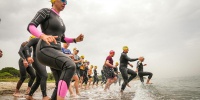
In a triathlon, the course is divided into three segments: swimming, cycling, and running. While drafting is not permitted during the swim and run phases, it is permitted (with restrictions) during the cycling leg. This can have considerable implications for overall race strategy.
How Drafting Affects Performance
According to various studies, athletes can save 20-30% of their energy while drafting efficiently, which translates to better performance across a triathlon. With the right approach to drafting, you can:
- Conserve energy, allowing you to have more strength for the run.
- Enhance your pacing by keeping up with faster cyclists.
- Strategically place yourself for better positioning to launch your own attack.
Drafting Rules in Triathlon
Different triathlon organizations have specific guidelines regarding drafting, but most adhere to similar principles. Let's see what the most widely accepted rules entail:
General Drafting Zones
The standard drafting zone is defined by a rectangle that extends 3 meters (10 feet) behind the front tire of the leading cyclist and extends 1.5 meters (5 feet) on either side. These measurements create a dynamic area that you must navigate when racing.
Drafting Penalties
Failure to adhere to the drafting rules can result in penalties, which may include:
- Time penalties (typically 2-5 minutes).
- Disqualification for severe violations.
Triathletes should be aware of the referee's warning signals, like a yellow card, which indicates that a drafting infraction has occurred, prompting you to adjust quickly to avoid a penalty.
Strategies for Effective Drafting
Now that you understand the rules, let's discuss how to draft effectively in a triathlon setting.
Choosing the Right Partner
Selecting the right drafting partner can play a vital role in your triathlon performance. Look for strong cyclists who maintain a steady pace. Joining forces with someone whose strengths complement yours can lead to mutual benefits during the ride.
Maintaining Distance
Being too close can result in a penalty, but being too far may negate the benefits of drafting. Aim for that sweet spot in the middle of the drafting zone, staying aware of the gaps. Always keep your head up to monitor your distance in relation to the leading cyclist.
Rotate Positions
If drafting with others, rotating positions can help you maintain a high average speed. This involves alternating between leading and following, allowing all participants to share the workload effectively. The lead cyclist should be conscientious about how long to remain in front to avoid excessive fatigue.
Understanding the Physics of Drafting
To appreciate drafting fully, a little understanding of the physics involved can be beneficial. When a cyclist moves through the air, they encounter drag—resistance imposed by air pushing against them. By riding within a draft, the trailing cyclist takes advantage of the lower pressure created behind the leader.
Common Drafting Mistakes
Even seasoned athletes can make mistakes when it comes to drafting. Here are a few common errors to avoid:
- Too Close: Riding within the 3-meter drafting zone is crucial. Closer proximity can lead to penalties and potential crashes.
- Pacing Errors: Getting sucked into a fast pace can lead to early fatigue. Maintain control of your efforts to ensure endurance through all phases.
- Ignoring Signals: Referees will signal drafting penalties during the race. Ignoring these can lead to time penalties or disqualification.
Drafting in Further Detail: Elite vs. Age Group Athletes
Drafting strategies can vary significantly between elite and age group athletes. Elite athletes have developed their own systems where they can skillfully exchange leads, often at very high speeds with little gap. For age group athletes, it's more about understanding pacing and how to find balance and conserve energy while racing.
Conclusion: Mastering Drafting for Your Next Triathlon
Mastering the art of drafting can significantly improve your performance and racing experience in triathlons. By following the guidelines, employing strategic drafting, and understanding the rules, you can improve your chances of a successful race while ensuring compliance with the sport's regulations. The key lies in practice and developing a keen awareness of your surroundings on race day.
Additional Resources
For more detailed insights into training and drafting techniques, consider consulting resources from reputable triathlon authorities or seasoned coaches.
🧠 FAQ - Drafting in Triathlon
❓ What is the purpose of drafting in a triathlon?
Drafting helps to reduce wind resistance, allowing athletes to conserve energy, which can be crucial for performance across long-distance races.
❓ Are there penalties for drafting in triathlons?
Yes, athletes can receive time penalties or even disqualification for failing to adhere to drafting rules, such as riding too closely behind another cyclist.
❓ How do I know if I am drafting legally?
You must maintain a distance of at least 3 meters behind the lead cyclist while keeping 1.5 meters on either side to comply with typical drafting regulations.
❓ Can I draft during the swim or run segments?
No, drafting is only permitted during the cycling segment of a triathlon.
❓ What is the ideal drafting distance?
The ideal drafting distance is within the designated 3-meter zone behind the leading cyclist, ensuring you are close enough for benefit but not so close as to risk penalties.
❓ How can I practice drafting techniques?
You can practice drafting with training partners during group rides and focus on maintaining the appropriate distance while rotating leads to build pacing skills.