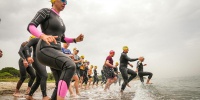
Exploring the World of Ultra Triathlon: Distances, Races, Training Types... This Article Will Help You Understand This Sports Challenge Better
Par Sarah Publié le 12/11/2025 à 19h02 — modifié le 11/11/2025 à 19h02 Temps de lecture : 3 minutes
Introduction to Ultra Triathlon
Ultra triathlon is the ultimate test of endurance, pushing the limits of what human beings can achieve. As a subset of triathlons, it transcends the conventional Ironman distances, requiring not just significant physical stamina but also mental fortitude. If you are fascinated by the idea of competing in an ultra triathlon, you will need to understand the distances involved, various race formats, training requirements, and strategies to succeed.
What is an Ultra Triathlon?
Ultra triathlons can include a variety of race formats, but they typically consist of distances that exceed the traditional Ironman—as a reference, an Ironman race features a 2.4-mile (3.86 km) swim, followed by a 112-mile (180.25 km) bike ride and a 26.2-mile (42.20 km) marathon run. Ultra triathlons may involve:
- Double Ironman: 4.8-mile swim, 224-mile bike ride, 52.4-mile run
- Triple Ironman: 7.2-mile swim, 336-mile bike ride, 78.6-mile run
- Custom distances: Events can also be designed with specific mileage combinations.
The Appeal of Ultra Triathlons
For many athletes, the appeal of ultra triathlon lies in the extreme challenge and the sense of achievement that accompanies completing such races. Adrenaline, adventure, and the camaraderie often found in these grueling races is exhilarating. ✨
Key Ultra Triathlon Races
Here are some notable ultra triathlon events that seasoned athletes or those ready to embark on this journey should consider:
- Ultraman World Championships: A premier event held annually in Hawaii, featuring a 6.2-mile swim, 261.4-mile bike ride, and a 52.4-mile run over three days.
- Epic5 Challenge: Incorporates five Ironman-distance triathlons across five Hawaiian islands in under a week.
- Double Ironman: Numerous events are hosted globally; search for events in your region.
Training for Ultra Triathlons
Preparing for an ultra triathlon requires a well-structured training plan that takes into account the high volumes of training necessary across swimming, cycling, and running. Below are some essential training principles:
Periodization
Periodization is essential in endurance training and involves dividing the training cycle into distinct phases. This typically includes:
- Base Phase: Focus on building endurance with long, slow distance work.
- Build Phase: Increase intensity and begin incorporating speed work.
- Peak Phase: Tapering before your key races, while maintaining intensity.
Training Types
Your training should include:
- Endurance Sessions: Long swims, bike rides, and runs.
- Transition Training: Practice the changeover between disciplines.
- Brick Workouts: Combine biking and running to practice race pace transitions.
Nutrition Strategy
Nutritional strategy in ultra distance training cannot be overlooked. Fueling your body correctly is vital for performance and recovery. Consider the following tips:
- Prioritize carbohydrates for energy, but don’t neglect fats and proteins for overall health.
- Experiment with during-training nutrition—what works during training doesn't always work on race day.
- Stay hydrated; endurance athletes can lose significant electrolyte levels.
Mental Preparation and Motivation
Mental resilience is a must in ultra triathlons. The ability to push through discomfort and fatigue often separates the finishers from those who drop out. Here are some strategies to improve mental preparation:
- Visualization: Picture yourself successfully completing the race and overcoming challenges.
- Setting Goals: Break down the race into smaller, manageable segments and create goals around each segment.
- Mindfulness and Positive Self-Talk: Build resilience by practicing mindfulness to stay in the moment and maintain a positive mindset.
Recovery, Sleep, and Injury Prevention
Recovery is paramount for ultra triathletes. With training volumes high, the risk of injury increases significantly. Focus on the following:
- Sleep: Aim for 7-9 hours of quality sleep every night. Sleep aids recovery and muscle repair.
- Active Recovery: Incorporate rest days and low-intensity activities to allow your body to recover effectively.
- Injury Prevention: Regularly practice stretching and strength training to prevent overuse injuries.
Essential Equipment and Performance Gear
Choosing the right gear can make or break your ultra triathlon experience. Some critical items include:
- Wetsuit: Choose one that balances warmth and buoyancy for swimming portions.
- Bike: An aerodynamically sound setup with the right fit can enhance performance on long rides.
- Shoes: Invest in high-quality running shoes that offer both comfort and support.
Final Thoughts
Ultra triathlon is not merely a race; it embodies a lifestyle of dedication, perseverance, and unyielding spirit. For those who choose this path, preparing adequately can make all the difference. Equip yourself with knowledge, a supportive community, and the right mindset, and you’ll be well on your way to crossing that finish line. Remember to also check out our guide on las 10 mejores películas y documentales sobre triatlón, para principiantes y avanzados.
🧠 FAQ - Ultra Triathlon
❓ What distances are involved in an ultra triathlon?
Ultra triathlons typically include distances that exceed the traditional Ironman, often starting with races such as Double Ironman (4.8-mile swim, 224-mile bike, and 52.4-mile run) and can go up to even greater distances.
❓ How do I train for an ultra triathlon?
Training for an ultra triathlon involves a structured training plan that includes endurance sessions, transition training, and brick workouts, along with proper nutrition strategies.
❓ What should I prioritize in my nutrition for ultra triathlon?
Focus on a balanced diet rich in carbohydrates for energy, along with adequate fats and proteins. Test during-training nutrition to ensure what you consume supports your race performance.
❓ How can I build mental resilience for the race?
You can enhance mental resilience by visualizing success, setting smaller goals, and practicing mindfulness to stay focused during the race.
❓ What recovery strategies should I implement?
Ensure you get sufficient sleep (7-9 hours), incorporate active recovery days, and practice stretching and strength training to help prevent injuries.
❓ What essential gear do I need for ultra triathlons?
Key equipment includes a high-quality wetsuit for swimming, an aerodynamic bike suitable for long distances, and comfortable running shoes to support your race.