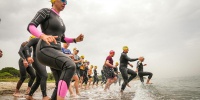
Explore Mental Training Techniques for Sports: Manage Stress, Boost Confidence, and Achieve Your Triathlon and Trail Goals
Par Sarah Publié le 31/10/2025 à 07h01 — modifié le 30/10/2025 à 07h01 Temps de lecture : 3 minutes
Understanding the Role of Mental Training in Endurance Sports
Mental training is an essential component of endurance sports, such as triathlon, trail running, cycling, and swimming. Unlike traditional training that focuses on physical attributes, mental training aims to enhance psychological resilience, confidence, and overall performance. This guide will delve into effective mental training techniques tailored specifically for endurance athletes, helping you manage stress, boost your confidence, and achieve your athletic goals.
The Importance of Mental Resilience
Mental resilience refers to the ability to withstand pressure, adapt to challenging situations, and recover from setbacks. For endurance athletes, mental resilience can be a game-changer, particularly during long training sessions or races where fatigue and self-doubt may set in.
Consider the psychology behind a triathlon. The event combines swimming, cycling, and running, often pushing athletes to their limits. A strong mental foundation can help you overcome obstacles—both physical and psychological—as you navigate different phases of the race.
Key Mental Training Techniques for Endurance Athletes
1. Visualization
Visualization involves creating detailed mental images of your desired performance. This technique can enhance your focus and confidence, making it particularly effective for race day.
- How to practice: Spend a few minutes each day visualizing yourself successfully completing a triathlon or trail run. Include sensory details like the sights, sounds, and feelings of crossing the finish line.
- Example: An Olympic runner, Sam, uses visualization before every race. He imagines each step, his breathing, and the cheers of the crowd, helping calm his nerves and prepare his mind for competition.
2. Positive Self-Talk
The way you talk to yourself can significantly impact your performance. Positive self-talk can boost your confidence and reduce anxiety.
- How to implement: Create affirmations related to your running or triathlon skills—like "I am strong, I am capable, I will finish this race!" Repeat these phrases during training and before races.
- Example: Sarah, a trail runner, combats feelings of doubt with affirmations during tough sections of her runs. This practice not only provides encouragement but also shifts her focus back to her capabilities.
3. Mindfulness and Breathing Techniques
Mindfulness trains you to stay present, which is crucial during demanding sports. Pairing mindfulness with focused breathing helps regulate stress levels.
- How to practice: Integrate breathing exercises into your routine. For instance, inhale for a count of four, hold for four, and exhale for four.
- Example: During a cycling event, Mark uses mindfulness techniques to center his thoughts. When fatigue begins to set in, he refocuses through controlled breathing to help enhance his endurance.
4. Goal Setting
Establishing clear, achievable goals can significantly motivate you and help track your progress. Goals should be SMART: Specific, Measurable, Achievable, Relevant, and Time-bound.
- How to set goals: Determine both short-term and long-term goals for your endurance training, like improving a 5 km time or completing a triathlon.
- Example: Jessica sets a goal to shave 10 minutes off her Ironman time within a year. This motivates her to refine her training methods and stay committed.
5. Mental Rehearsal
Mental rehearsal is akin to visualization but focuses more on executing specific techniques and scenarios. It prepares you for potential challenges or setbacks during a race.
- How to practice: Reflect on race conditions, such as weather, competition, or equipment issues, and mentally rehearse how to respond.
- Example: Tom prepares for varied conditions in his upcoming ultra-marathon by visualizing running in the rain and managing hydration effectively. He knows exactly how to adjust his strategies.
Maximizing Performance with Mental Techniques
To make the most of these mental training techniques, integrating them into your existing training plan is vital. Here are some suggestions:
- Schedule mental training sessions: Dedicate time weekly to practice visualization, breathing, and self-talk.
- Experiment with different techniques: Not every technique will resonate with every athlete. Find what works best for you.
- Gradually implement them: Start small by integrating one technique into your training regimen and build from there.
- Evaluate results: Reflect regularly on how these techniques affect your training and racing experiences.
Common Challenges and Solutions
As you begin to incorporate mental training, you may encounter some challenges. Here’s how to overcome them:
- Challenge: Difficulty concentrating during mental practice.
- Solution: Keep sessions short and focused, gradually increasing duration. Also, consider practicing in quieter, less distracting environments.
- Challenge: Skepticism about mental training's effectiveness.
- Solution: Research mental training success stories and connect with other athletes who use these techniques. Start with small expectations and gradually open your mind to their potential.
The Connection Between Mental Training and Physical Performance
The link between mental training and physical performance in endurance sports is well-established. Research supports that athletes who engage in mental skills training often perform better under pressure and exhibit higher levels of confidence.
Consider that during a competitive triathlon, uncertain conditions are inevitable—be it weather changes, fatigue, or nutrition mishaps. Athletes equipped with robust mental strategies can navigate these challenges more effectively.
Conclusion: Embrace Your Mental Training Journey
Incorporating mental training techniques into your routine can provide a significant advantage in endurance sports. By managing stress, boosting confidence, and improving race strategies, you set yourself up for success on both training days and race days.
Start today by integrating these techniques into your regimen and watch as you unlock your potential in triathlons, trail running, and beyond. Remember, the mind is just as crucial as the body in achieving your athletic ambitions.
🧠 FAQ - Mental Training Techniques for Endurance Sports
❓ What is mental training in sports?
Mental training in sports involves techniques aimed at improving an athlete's psychological skills, enhancing their performance through methods like visualization, positive self-talk, and mindfulness.
❓ How can I improve my mental toughness for endurance races?
Improving mental toughness can be achieved through consistent practice of mental strategies like goal setting, mental rehearsal, and mindfulness, helping you stay focused and resilient during races.
❓ Why is visualization important for endurance athletes?
Visualization helps endurance athletes enhance performance by mentally rehearsing successful outcomes, reducing anxiety, and boosting overall confidence before and during competitions.
❓ Can mental training techniques help prevent injuries?
While mental training may not prevent physical injuries, it can reduce the likelihood of stress-induced injuries by promoting relaxation, proper pacing, and mental discipline during training sessions.
❓ How do I integrate mental training into my existing training plan?
Integrate mental training by scheduling dedicated sessions for techniques like visualization and mindfulness, evaluating their impact on your training performance, and gradually incorporating them into race preparation.
❓ Where can I learn more about mental preparation for endurance sports?
For more insights, check out our article on Top Mental Preparation Strategies for Endurance Athletes.