Optimize Your Paces in Triathlon: Expert Tips for Every Discipline
Par Sarah Publié le 22/10/2025 à 08h00 — modifié le 21/10/2025 à 08h00 Temps de lecture : 4 minutes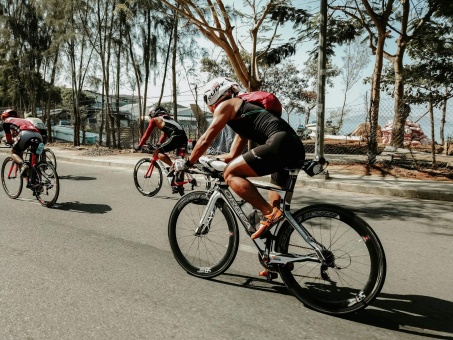 Crédit Image: Tony Pham
Understanding the Importance of Pacing in Triathlon
Pacing is a critical component of triathlon performance, as it allows athletes to balance their energy output across swimming, cycling, and running. In a triathlon, each segment demands a different approach to pacing to maximize efficiency while minimizing fatigue. Incorrect pacing can result in burnout, missed time goals, and reduced overall performance.
Establishing Your Goal Pace
Before you can optimize your paces in triathlon, you need to determine your goal pace. A goal pace refers to the average speed or time you aim to maintain throughout each segment of the race.
- Assess Your Fitness Level: Your current fitness level will guide your pacing strategy. Testing your 400m swim, 20km cycling, and 5km run can help you estimate a realistic goal pace.
- Consider the Race Distance: Different distances (sprint, Olympic, half, and full) will require adjustments to your paces. Shorter races demand a more aggressive pace, while longer races require a more conservative approach.
- Analyze Previous Performances: Look back at your past race results. Understanding what worked and what didn’t can help tailor your pacing strategy for future races.
Expert Tips for Optimizing Swimming Paces
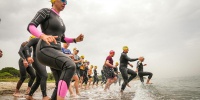
Swimming is the first leg of a triathlon and often the most challenging for athletes due to water conditions and the transition from non-weighted to weighted movement.
1. Swim Technique and Efficiency
Optimizing your swim pace begins with technique. A strong, efficient stroke will allow you to swim faster with less effort.
- Breathing Patterns: Practice bilateral breathing, which helps maintain balance in your stroke and promotes a steady rhythm.
- Body Position: Maintaining a horizontal body position will reduce drag, enabling you to glide through the water more efficiently.
- Drills: Incorporate drills like catch-up drill and fist drill into your training to improve technique and strength.
2. Pace Strategy for Open Water
Racing in open water can be unpredictable. Here are tips for achieving optimal pacing:
- Start Slow: Begin the swim at a controlled pace to avoid the chaos of the start. Gradually increase your pace as you find your rhythm.
- Sight Regularly: Practice sighting during training to maintain a straight line and a steady pace.
- Find a Draft: Position yourself near other competitors to take advantage of their slipstream, conserving energy.
Enhancing Cycling Paces for Optimal Performance
The cycling segment is where endurance athletes can make or break their race times. Precision in pacing is crucial to avoid fatigue in the latter stages.
1. Power and Heart Rate Monitoring
Using a power meter or heart rate monitor can provide real-time feedback on your cycling effort, helping you to adjust your pace accordingly.
- Functional Threshold Power (FTP): Establish your FTP to determine your optimal cycling effort—aim to sustain a percentage of your FTP during races.
- Heart Rate Zones: Familiarize yourself with your heart rate zones and their corresponding intensities. Stay within your targeted zone to prevent fatigue.
2. Terrain and Environmental Considerations
Understanding the course’s terrain and weather conditions is essential to set appropriate cycling paces.
- Hills: Plan to reduce your cadence on inclines while maintaining consistent effort.
- Wind: Adjust your pacing strategy according to wind conditions; draft where possible to conserve energy.
Running Paces Strategy: Tips to Finish Strong
The run segment is often where athletes face the highest level of fatigue. A well-structured pacing strategy is vital to finish strong.
1. Understand Your Running Gait and Form
Optimizing your running form can have a significant impact on your efficiency and pacing:
- Foot Strike: Aim for a midfoot strike and shorter strides to maintain speed while reducing energy expenditure.
- Upper Body Relaxation: Keep your shoulders relaxed to maintain excellent form throughout the run.
2. Using Negative Splits
Implementing negative splits involves running the second half of your race faster than the first half, conserving energy while maintaining pace:
- Pacing Plan: Start the run at a comfortable pace, gradually increasing the effort over each mile.
- Listen to Your Body: Monitor how you feel during the run, and be prepared to adjust if fatigue sets in.
3. Fueling and Hydration Strategy
Staying hydrated and properly fueled can improve your ability to maintain your paces during the run segment:
- Electrolytes: Incorporate electrolytes into your hydration strategy, especially during hot conditions.
- Energy Gels/Bars: Practice fueling strategies during training to determine what works best for you before race day.
Training Insights: Structured Workouts for Pacing Optimization
To boost your pacing during the race, structured training is crucial. Different training modalities can help you develop speed, endurance, and pacing precision.
1. Interval Training
Incorporating interval training into your routines can improve your speed and aerobic capacity, key components for pacing optimization:
- Swimming Intervals: Perform sets of 100m at race pace followed by rest to build speed.
- Cycling Intervals: Try 5-10 minutes at higher-than-race efforts followed by recovery periods.
- Running Intervals: Include shorter, faster intervals followed by easy jogging.
2. Long Runs and Rides
Long endurance sessions help simulate race conditions and allow you to practice your pacing:
- Brick Workouts: Combine cycling and running back-to-back to adapt your body to the transitions and pacing changes.
- Progressive Long Runs: Start at an easy pace and gradually increase your pace toward the end.
Understanding Your Physical Responses to Pacing
Monitoring your body’s response to pacing during training can provide valuable insights for improvement. A study published in the Journal of Sport Science indicates that athletes comfortable with pacing strategies experience better race day performances.
1. Adapt Training to Response
Be observant during training. If you notice fatigue is setting in earlier than expected, you may need to adjust your pacing during training sessions.
2. Recovery and Rest
Recovery plays an integral part in pacing optimization. Ensure that you include adequate recovery strategies, including proper sleep, nutrition, and active recovery days.
Race Day Strategy: Implementing Your Pacing Plan
On race day, stick to the pacing strategies you’ve developed through training. Nervousness is common, but don’t let it derail your plan.
- Pre-Race Routine: Follow a familiar routine, from warm-up to arrival at the starting line.
- Stick to the Plan: Trust your training and resist the urge to start too aggressively, especially in the swim.
- Visualize Success: Use visualization techniques to envision yourself executing your pacing strategy successfully.
Optimizing your paces for triathlon requires a comprehensive understanding of your fitness level, mastery of race-specific pacing for swimming, cycling, and running, and a consistent training approach that includes various workouts tailored to your needs. With this guide, you are well-equipped to refine your pacing strategy and enhance your performance across the triathlon distances.
🧠 FAQ - Optimize Your Paces in Triathlon
❓ Why is pacing so important in a triathlon?
Pacing is essential because it helps balance your energy output across all segments, preventing fatigue and optimizing overall performance.
❓ How can I determine my goal swim pace?
Assess your fitness level through prior swim times and consider that your goal swim pace may vary with race distances.
❓ What is a good pacing strategy for the cycling segment?
Utilize power or heart rate monitoring to maintain a sustainable pace, adjusting based on terrain and environmental factors.
❓ How should I pace myself during the run?
Start at a comfortable pace and aim for negative splits; listen to your body to avoid an early fatigue spike and adjust as necessary.
❓ What are some effective training methods for optimizing pacing?
Incorporate interval training and long rides or runs into your regimen to develop speed and endurance necessary for sustaining your race pace.
❓ How do recovery protocols affect my pace on race day?
Adequate rest and recovery help ensure you're physically prepared, which is critical for executing your pacing strategy effectively during a race.