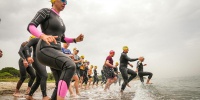
Is a Perfect Triathlon Body a Myth? Unlock Your Best Potential
Par Sarah Publié le 20/10/2025 à 08h00 — modifié le 19/10/2025 à 08h00 Temps de lecture : 3 minutes Crédit Image: Maksim Goncharenok
Understanding the Perfect Triathlon Body
The journey of a triathlete is as unique as each individual. With the increasing popularity of triathlons, one burning question persists: Is there such a thing as a perfect triathlon body? While the term 'perfect body' is subjective, this article will delve into the essential aspects of optimizing your potential, regardless of your body type.
What is the Ideal Physique for Triathletes?
The reality is that no single body type rules supreme in triathlon competitions. Triathletes come in all shapes and sizes - each bringing unique strengths to the table:
- Endurance Runners: Typically leaner, with a lower body fat percentage.
- Swimmers: Generally more muscular, especially in the upper body, providing powerful strokes.
- Cyclists: Often possess strong legs and a well-defined upper body.
- Multi-discipline Athletes: Combine qualities from all disciplines, boasting overall fitness.
Instead of focusing on an ideal physique, athletes should shift their attention to achieving personal fitness goals that align with their individual strengths and weaknesses.
Key Components of Triathlon Performance
Understanding the components that contribute to triathlon success can help athletes at any level develop a training plan that suits their needs:
- Swimming Technique: Proper form and technique in the water can save energy and improve speed.
- Cycling Power: A strong cycling base can lead to better endurance levels.
- Running Efficiency: Developing a natural running form will help prevent injury and enhance performance.
- Transition Skills: Mastering smooth and efficient transitions aids in maintaining speed and momentum.
Nutrition: Fueling Your Body
Proper nutrition is crucial for endurance athletes. It not only supports training but also optimizes recovery. Here are some dietary guidelines tailored for triathletes:
- Balance Macronutrients: Aim for a well-rounded intake of carbohydrates, proteins, and fats.
- Hydration: Staying hydrated is vital for maintaining performance levels, especially during long workouts.
- Pre-Race Nutrition: Focus on easy-to-digest carbs to fuel your body before a race.
- Recovery Foods: Post-workout, combine carbs and proteins to replenish energy stores and repair muscles.
Strength Training: Building a Strong Foundation
While endurance training should be the focus, incorporating strength training can provide substantial benefits. Strength training allows triathletes to build muscle mass, maintain bone density, and enhance overall performance. Here’s how to effectively integrate strength training into your routine:
- Focus on Core Stability: A strong core will enhance your swimming, cycling, and running efficiency.
- Include Functional Movements: Exercises like squats, lunges, and deadlifts will translate well into triathlon-specific activities.
- Maintain Flexibility: Incorporate stretching or yoga to prevent injury and improve range of motion.
Mindset: The Mental Aspect of Training
Success in triathlon isn't just physical; your mindset plays a significant role. Training your mind can help you push through challenges and perform at your best:
- Set Realistic Goals: Create both short-term and long-term goals to maintain motivation.
- Practice Visualization: Use positive imagery techniques to enhance performance and build confidence.
- Find a Support System: Connecting with fellow athletes or a coach can provide motivation and camaraderie.
Embracing Diversity in Body Types
The increasing diversity in athletic bodies within the triathlon community emphasizes that everyone can be competitive. Many successful triathletes have non-typical bodies, demonstrating that success stems from dedication, training, and strategy rather than merely physical appearance.
For example, a study published in the *Journal of Sports Sciences* highlights that elite endurance athletes have a broad range of body shapes and sizes that are equally effective in competitive scenarios. This supports the idea that hard work and determination often outshine genetics in endurance sports.
Common Training Mistakes to Avoid
Whether you are a novice or a seasoned triathlete, avoiding common pitfalls can enhance your performance:
- Overtraining: Listen to your body and allow adequate rest to prevent burnout or injury.
- Neglecting Transitions: Practice transitioning from swimming to cycling and cycling to running to gain valuable seconds in races.
- Ignoring Nutrition: Fuel your training and recovery properly to reach your potential.
- Skipping Strength Training: Incorporating strength work can prevent atrophy and injury.
Customizing Your Training Plan
Ultimately, an individualized training plan is key to unlocking your potential. Here are steps to create a personalized triathlon training plan:
- Assess Your Current Level: Regularly evaluate your fitness level in each discipline.
- Identify Areas for Improvement: Focus on weaknesses to turn them into strengths.
- Schedule Recovery: Include rest days to allow muscle recovery and prevent fatigue.
- Track Your Progress: Use logs or apps to monitor workouts and nutrition habits, adjusting as necessary.
Conclusion
Finding the perfect triathlon body is less about achieving an ideal form and more about maximizing your unique capabilities and potential. Embrace your individuality, adopt a comprehensive training and nutrition strategy, and maintain a balanced mindset towards your goals. With the right approach, every triathlete can succeed, regardless of their physical profile.
🧠 FAQ - Is There a Perfect Triathlon Body?
❓ Is there a perfect body type for triathletes?
No single body type is ideal for triathlons. Success comes in various shapes and sizes through individual strengths.
❓ How can I optimize my triathlon training plan?
Assess your fitness level, identify weaknesses, schedule recovery, and track your progress.
❓ What role does nutrition play in triathlon performance?
Nutrition fuels performance and recovery. Balance macronutrients and the hydration is essential.
❓ Can strength training help my triathlon performance?
Yes, strength training improves core stability, builds muscle, and helps maintain bone density.
❓ How important is mindset in triathlon training?
Mindset is crucial. Setting realistic goals, visualization, and a support system can enhance performance.
❓ What are common mistakes triathletes should avoid?
Common mistakes include overtraining, neglecting transitions, ignoring nutrition, and skipping strength training.