A Comprehensive Guide to Physiology in Triathlon Training
Par Sarah Publié le 18/10/2025 à 08h01 — modifié le 17/10/2025 à 08h01 Temps de lecture : 3 minutes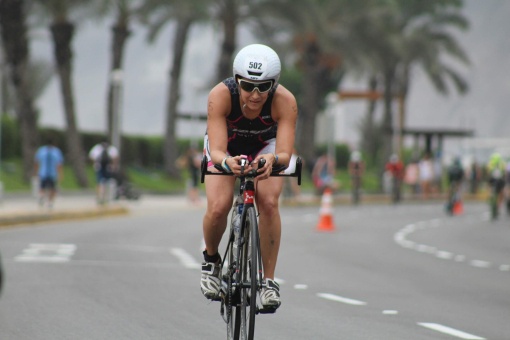 Crédit Image: Pablo Ulloa
Understanding the Basics of Physiology in Triathlon
Triathlon, a demanding sport that combines swimming, cycling, and running, requires an in-depth understanding of various physiological principles to maximize performance and ensure effective training. In this guide, we’ll explore essential concepts such as energy pathways, VO2max, lactate thresholds, heart rate dynamics, training adaptations, and provide practical tips for endurance athletes looking to enhance their performance.
Energy Pathways in Endurance Sports
The human body utilizes three primary energy systems during exercise, which function based on the intensity and duration of activity:
- ATP-CP (Phosphagen) System: This system provides immediate energy through the breakdown of stored ATP and creatine phosphate in the muscles. It supports high-intensity activities lasting up to approximately 10 seconds, such as sprinting during a triathlon.
- Glycolytic (Anaerobic) System: This pathway kicks in after the ATP-CP system is depleted and can sustain activity for about 30 seconds to 2 minutes. It involves converting glucose into energy without oxygen, leading to the production of lactate.
- Oxidative (Aerobic) System: Primarily used during moderate to low-intensity exercise, this system provides energy through the oxidation of carbohydrates and fats. It is the dominant source of energy in longer triathlon events, enabling athletes to maintain effort over 90 minutes or more.
VO2max: The Key Indicator of Endurance Performance
VO2max, or maximal oxygen uptake, is a critical measure of an athlete's aerobic capacity. It reflects the maximum amount of oxygen that your body can utilize during intense exercise. Triathletes with higher VO2max levels can perform at greater intensities for extended periods.
Factors influencing VO2max include:
- Genetics: Natural predisposition plays a role in determining your potential VO2max.
- Training: Endurance training can improve your VO2max, with structured programs focusing on long-distance running, cycling, and swimming.
- Aging: VO2max decreases with age, but consistent training can help slow this decline.
To estimate your VO2max, you can undergo laboratory testing or perform field tests, such as the Cooper test.
Improving VO2max
Incorporate the following strategies to boost your VO2max:
- Engage regularly in high-intensity interval training (HIIT).
- Include longer aerobic sessions at a comfortably hard pace.
- Cross-train with complementary endurance sports.
- Consistently challenge your body with progressive overload in training.
The Role of Lactate in Endurance Performance
Lactate is often misunderstood as a cause of fatigue, but it is a crucial fuel source during prolonged exercise. The lactate threshold (LT) is the exercise intensity at which lactate production starts to exceed lactate clearance, marking a shift from primarily aerobic to anaerobic metabolism. Training to elevate your lactate threshold enables you to maintain a higher intensity before hitting fatigue.
Strategies to improve your lactate threshold include:
- Incorporate tempo runs and threshold workouts to push your LT.
- Use intervals to train your body’s ability to remove lactate efficiently.
- Monitor training intensity with a heart rate monitor.
Heart Rate and Its Importance
Heart rate (HR) is a valuable tool for gauging your fitness level and optimizing training. Endurance athletes often use heart rate training zones to enhance performance:
- Zone 1 (Recovery): Very light activities, 50-60% of HRmax.
- Zone 2 (Aerobic Endurance): Moderate effort, 60-70% of HRmax.
- Zone 3 (Tempo): Challenging but sustainable, 70-80% of HRmax.
- Zone 4 (Anaerobic): High intensity, 80-90% of HRmax.
- Zone 5 (Max Effort): All-out efforts, 90-100% of HRmax.
You can determine your maximum heart rate (HRmax) through various methods. A commonly used formula is:
HRmax = 220 - age
However, this formula is a general guideline, and individual testing is preferred for more accuracy. For more details, check out our article on Understanding Maximum Heart Rate for Runners and Endurance Athletes.
Training Adaptations for Triathletes
As an endurance athlete, your body undergoes several adaptations as a response to intensive training:
- Increased Stroke Volume: Endurance training enhances heart efficiency, allowing for a greater volume of blood to be pumped with each heartbeat.
- Improved Capillary Density: More capillaries form in muscle tissue, enhancing oxygen delivery and nutrient exchange.
- Enhanced Mitochondrial Density: The number of mitochondria (powerhouses of the cell) increases, improving the ability to generate energy aerobically.
- Increased Muscle Fibers: Endurance training can shift muscle fiber types towards more oxidative (Type I) fibers, improving endurance capacity.
These adaptations allow athletes to perform at higher intensities for prolonged periods without fatigue. However, it's essential to balance training with recovery to prevent overtraining and injuries.
Practical Tips for Optimizing Training
To maximize your training adaptations, consider these practical tips:
- Periodize your training plan to allow for recovery and adaptation phases.
- Incorporate strength training to enhance core stability and lower body strength.
- Stay hydrated and maintain a balanced diet to fuel your training effectively.
- Listen to your body: prioritize recovery days and avoid pushing through pain.
Key Takeaways
Understanding and applying physiological principles is crucial for triathletes looking to enhance their performance. By focusing on energy systems, improving VO2max, lactate thresholds, and heart rate monitoring, athletes can optimize their training strategies and succeed in triathlons.
As you plan your training, keep these concepts in mind to tailor your approach for peak performance in your next triathlon. Remember, combining scientific understanding with practical application is key to becoming a successful endurance athlete.
🧠 FAQ - Basics of Physiology in Triathlon
❓ What is VO2max and why is it important?
VO2max is the maximum amount of oxygen your body can utilize during exercise. It is a key indicator of your aerobic fitness and endurance performance.
❓ How can I improve my lactate threshold?
You can improve your lactate threshold by incorporating tempo runs, intervals, and high-intensity training into your regimen.
❓ What training zones should I use for optimal performance?
You should train in different heart rate zones, including recovery, aerobic, tempo, anaerobic, and max effort zones to develop various fitness components.
❓ How does strength training benefit endurance athletes?
Strength training can enhance core stability, improve muscular endurance, and reduce injury risk, contributing to better overall triathlon performance.
❓ Why is energy system understanding crucial for triathletes?
Understanding energy systems allows triathletes to choose the right training strategies and intensities that match their race demands, leading to improved performance.
❓ How do I monitor my training effectiveness?
You can monitor training effectiveness by tracking your heart rate, perceived exertion, performance metrics, and recovery patterns to ensure you're progressing appropriately.