Practical Guide to Quickly and Effectively Put on a Triathlon Wetsuit
Par Sarah Publié le 17/10/2025 à 20h01 — modifié le 16/10/2025 à 20h01 Temps de lecture : 3 minutes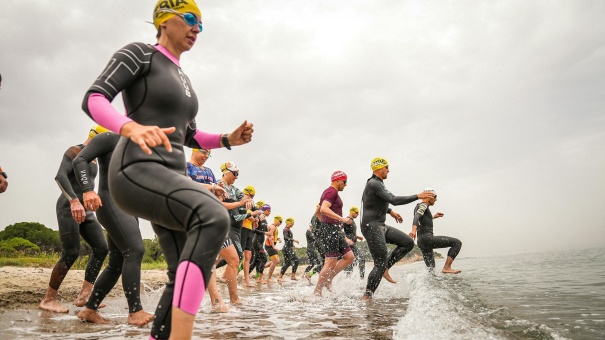 Crédit Image: Ozan Yavuz
Getting Ready for Your Triathlon: The Importance of a Wetsuit
Your wetsuit can be a vital piece of equipment when it comes to triathlons, swimming events, or other open-water adventures. Wearing a wetsuit offers various benefits including buoyancy, thermal protection, and speed enhancement. Understanding how to effectively put on your wetsuit can set the tone for a successful race day. This guide will provide you with practical tips, common mistakes to avoid, and useful benchmarks to ensure you don’t fumble during this crucial preparation stage.
Why a Wetsuit Matters
A wetsuit acts as a second skin, providing insulation and helping to reduce drag as you swim. According to a study by the National Institutes of Health, wearing a wetsuit can enhance buoyancy and core temperature regulation, making your swim phase faster and more comfortable. Knowing these benefits adds emphasis to the importance of not only choosing the right wetsuit but also mastering the putting-on technique.
Choosing the Right Wetsuit
Before you even get to the process of putting on your wetsuit, it's essential to select the best one for you. Consider the following:
- Fit: Your wetsuit should fit snugly without being overly tight. Ensure you can comfortably move your arms and legs.
- Thickness: Depending on the water temperature, choose a wetsuit with the appropriate thickness (usually between 1.5mm and 5mm).
- Type: There are different styles such as full suits, sleeveless suits, and shortys. Choose one that meets your specific needs.
Steps for Putting on Your Wetsuit
Here are step-by-step guidelines to help you put on your wetsuit efficiently and without struggle:
1. Prepare Your Wetsuit
Before laying your wetsuit out on the ground, make sure it’s clean and dry. Check the inside of the suit for any debris or hazards that may cause discomfort.
2. Utilize Wetsuit Lubricants
Applying a small amount of wetsuit lubricant (such as a silicone-based product) to areas where your wetsuit may chafe (like underarms and neck) can reduce friction and make slipping into the wetsuit easier.
3. Start from the Bottom
Begin at your feet and carefully slide one leg into the wetsuit. Try not to tug too forcefully, as this can damage the material.
4. Pull Up Gradually
Once you have one leg in, followed by the other, pull the suit up gradually over your thighs. Use your hands to push down the suit as you pull it up, ensuring that it remains free of folds. A good tip is to gather the material at your thighs and then push up to your hips.
5. Position and Adjust Your Torso
With your legs secured, move the wetsuit up to your waist. Next, insert your arms one at a time, again being cautious not to pull too hard. You might want to wiggle or rotate your body to help slide the material up. Ensure that the shoulder straps are comfortable and positioned correctly.
6. Cuff Adjustment for Perfect Fit
After your arms and torso are fitted snugly, reach down to ensure the cuffs are comfortable, adjusting them as necessary to get the perfect fit.
7. Final Check
Stand up straight, flex your arms and legs, and ensure that there are no restrictive areas. You should feel snug but not constricted.
Common Mistakes to Avoid
Even the most prepared athlete can find themselves making mistakes when donning their wetsuit. Here are some common pitfalls:
- Wrong size: Wearing a wetsuit that is too small can restrict movement; a suit that is too large may lead to excess water intake.
- Not warming up the suit: Not taking the time to warm the wetsuit or apply a lubricant can make it challenging to get on.
- Skipping the lower half: Many athletes rush and try to put their arms in first. Always start with the legs.
- Lack of practice: Not rehearsing putting on your wetsuit before race day can lead to frustrating slowdowns.
Useful Benchmarks for Race Day
Getting comfortable in your wetsuit comes with experience. Here are some benchmarks to consider:
- Practice Beforehand: Aim to have your wetsuit on and adjusted within 5-7 minutes during your practice sessions.
- Familiarization: Train and swim in your wetsuit before race day to understand its feel and adjust according to your comfort.
- Conditions Check: Know the temperature of the water and ensure the suit's thickness meets the requirements.
Tips for Transitioning From Wetsuit to Other Gear
Once you’ve completed the swim portion of your triathlon, transitioning out of your wetsuit quickly can save precious time. Here are some helpful tips:
- Unzip While Swimming: If the rules allow, open the zipper just before you exit the water for easier removal.
- Practice Your Quick Transitions: Do dry runs to get comfortable in switching from swim to bike.
- Wear Efficient Gear: Have your race clothes ready and laid out in a logical order to minimize any fumbling.
By following these insightful tips, avoiding common mistakes, and performing thorough practice sessions, you will find putting on your wetsuit to be a far less daunting task. This can have a positive effect not only on your race day but on your overall performance as an endurance athlete. 🎉
🧠 FAQ - Putting on a Triathlon Wetsuit
❓ How do I know if my wetsuit fits correctly?
A properly fitting wetsuit should feel snug but not restrictive. You should be able to move your arms and legs without excessive resistance.
❓ Can I use regular lotion to help put on a wetsuit?
It's best to use a wetsuit-specific lubricant. Regular lotions can break down the neoprene material.
❓ What if my wetsuit is too tight?
If your wetsuit feels uncomfortably tight, it’s advisable to either try a larger size or choose a different model that offers a better fit.
❓ How do I take off my wetsuit efficiently?
To remove your wetsuit quickly, unzip while still on your feet, pull down to your ankles, and step out one leg at a time.
❓ Should I practice putting on my wetsuit?
Absolutely! Practicing helps you become more skilled and efficient, ensuring you can put it on quickly on race day.
❓ Is it necessary to wear a wetsuit in all triathlons?
Wetsuit requirements vary by event; however, they are recommended in cooler waters for safety and comfort.