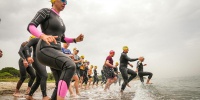
Sleep: The Greatest Legal Performance-Enhancing Drug for Endurance Athletes
Par Sarah Publié le 05/11/2025 à 07h02 — modifié le 04/11/2025 à 07h02 Temps de lecture : 3 minutes
Introduction
In the quest for peak performance, athletes often scour the market for the latest supplements, training regimens, and gadgets. Yet, one of the most powerful tools in an athlete’s arsenal often goes overlooked: sleep. Dubbed the 'greatest legal performance-enhancing drug', sleep plays a crucial role in optimizing physical and mental performance, particularly for endurance athletes. In this guide, we will explore the myriad ways sleep impacts athletic performance, provide tips for optimizing sleep, and address common myths surrounding rest.
Why Sleep is Crucial for Endurance Athletes
Endurance sports, such as triathlon, trail running, cycling, and swimming, place significant demands on both the body and mind. Quality sleep is essential for:
- Physical Recovery: Sleep is integral in muscle repair. During deep sleep, the body releases growth hormone, promoting tissue growth and muscle repair, crucial for athletes who partake in rigorous training.
- Improved Performance: Adequate sleep positively affects physical performance metrics such as strength, endurance, and reaction time. Studies show that sleep-deprived athletes experience decreased performance levels, including slower sprint times and reduced strength.
- Mental Clarity: Sleep enhances cognitive functions such as memory, focus, and decision-making, vital for strategizing during long races or intricate courses.
- Stress Reduction: Lack of sleep increases cortisol levels, a hormone related to stress that can negatively affect training and performance.
- Injury Prevention: With better concentration and cognitive function, the risk of injury due to lapses in judgement during training can be significantly reduced.
How Lack of Sleep Affects Athletes
Insufficient sleep can lead to numerous negative outcomes for athletes:
- Fatigue: Sleep deprivation leads to chronic fatigue, hindering your ability to perform at your best.
- Reduced Endurance: A lack of sleep can decrease time-to-exhaustion in endurance events, diminishing overall performance.
- Impaired Judgment: Tired athletes may make poor choices in pacing or nutrition strategy during races.
- Decreased Immune System Function: Sleep plays a vital role in maintaining a robust immune system, which is crucial for keeping athletes healthy during training cycles.
- Increased Risk of Burnout: Long-term sleep deprivation can contribute to mental burnout, affecting motivation levels and enjoyment of the sport.
Scientific Insights into Sleep and Performance
Research firmly supports the assertion that sleep is vital for athletic success. For instance, a study published in the Journal of Clinical Sleep Medicine notes that athletes who increased their sleep duration improved their sprint times and overall performance metrics. It’s clear: more sleep can enhance both physical and psychological readiness for endurance challenges.
Strategies for Optimizing Sleep
To reap the benefits of sleep, athletes should implement several strategies to enhance sleep quality and duration:
1. Establish a Consistent Sleep Schedule
Going to bed and waking up at the same time every day, including weekends, can regulate your body’s internal clock, leading to better sleep quality.
2. Optimize Sleeping Environment
- Darkness: Use blackout curtains or wear a sleep mask to promote a dark environment conducive to sleep.
- Cool Temperature: Maintain a cool room temperature; the ideal range is generally between 60-67°F (15-19°C).
- Noise Control: Consider using earplugs or white noise machines to minimize disturbances.
3. Limit Blue Light Exposure
Avoid screens from phones and televisions at least an hour before bedtime. The blue light emitted from screens can interfere with melatonin production, impacting your ability to fall asleep.
4. Include Relaxation Techniques
Incorporate relaxation methods such as meditation, deep breathing, or gentle yoga at night to calm your mind and prepare your body for sleep.
5. Monitor Caffeine and Alcohol Intake
Be mindful of your caffeine and alcohol consumption. Limit caffeine intake to the morning and keep alcohol consumption moderate, as both can disrupt sleep architecture.
6. Keep a Sleep Journal
Tracking your sleep patterns can help identify habits affecting your sleep quality. Note the amount of sleep you get, how you feel during the day, and any stressors impacting your rest.
Striking a Balance: Training and Recovery
As an endurance athlete, it's essential to strike a balance between rigorous training and ample recovery, including sleep. Here’s how to find that balance:
- Listen to Your Body: Pay attention to signs of fatigue or stress and adjust your training intensity and rest days accordingly.
- Incorporate Easy Days: After intense training sessions, have easy training days that focus on light activities, helping your body recover while still staying active.
- Create Recovery Blocks: Plan training cycles that allow for recovery blocks where you prioritize sleep, nutrition, and mental health.
- Practice Sleep Hygiene: Develop pre-sleep habits that help signal to your body it's time to wind down.
Sleep Myths Debunked
With sleep's importance in athletic performance comes several myths that can hinder athletes from taking sleep seriously:
- Myth: I Can Catch Up on Sleep During the Weekends. While you might feel temporarily refreshed, sleep debt accumulated during the week can’t be fully compensated for with extra sleep on weekends.
- Myth: More Sleep Equals Better Performance. Quality matters as much as quantity. Focus on achieving deep, restorative sleep instead of just prolonging the hours spent in bed.
- Myth: Naps are a Waste of Time. Short naps (20-30 minutes) can actually boost alertness and performance, so don’t overlook them.
Conclusion
In sports where endurance is key, sleep can truly be the game-changer you need. Emphasizing sleep as a critical element of your training regimen not only enhances performance but improves your overall well-being. By understanding the significance of quality rest and implementing effective strategies, you can elevate your performance and enjoy your sport to its fullest. Remember, sleep isn't just for recovery; it's a vital element in your athletic toolkit.
🧠 FAQ - Sleep and Endurance Performance
❓ How many hours of sleep should endurance athletes aim for?
Endurance athletes should aim for 7-9 hours of quality sleep per night, with some individuals possibly requiring more, especially during intensive training periods.
❓ Can napping help my performance?
Yes, short naps (20-30 minutes) can enhance alertness and performance, especially if you are experiencing sleep deprivation.
❓ What are the effects of poor sleep on training?
Poor sleep can lead to fatigue, reduced endurance, impaired cognitive function, decreased immunity, and increased injury risk.
❓ How can I create a better sleep environment?
To improve your sleep environment, ensure your room is dark, cool, and quiet. Use blackout curtains, earplugs, and white noise devices if necessary.
❓ Is it okay to drink caffeine before bed?
It's generally best to avoid caffeine in the hours leading to bedtime, as it can interfere with your ability to fall asleep and the quality of your rest.
❓ How does sleep quality affect recovery time?
Higher sleep quality is directly associated with faster recovery times, better muscle repair, and improved psychological resilience.