Understand VO2max and How to Test It: Its Key Role in Endurance and Performance in Triathlon and Trail
Par Sarah Publié le 31/10/2025 à 19h00 — modifié le 30/10/2025 à 19h00 Temps de lecture : 3 minutes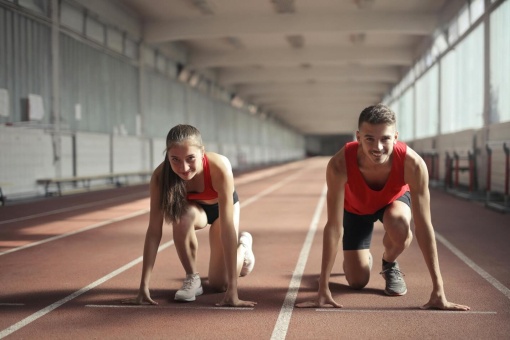
What is VO2max?
VO2max, or maximal oxygen uptake, is the maximum rate at which your body can consume oxygen during intense exercise. It’s a crucial metric for endurance athletes because it represents the body’s ability to sustain prolonged exercise by effectively utilizing oxygen. Higher VO2max values typically correlate with better performance in sports like triathlon, trail running, and cycling.
Why is VO2max Important for Endurance Athletes?
For endurance athletes, VO2max is particularly important as it influences:
- Performance: Athletes with a higher VO2max can exercise at higher intensities for longer periods.
- Training Effectiveness: Understanding your VO2max helps tailor training programs, ensuring that workouts are effective and efficient.
- Recovery and Adaptation: Regular assessment of VO2max can provide insights into how well an athlete is recovering and adapting to training.
How to Test VO2max
Testing VO2max is essential for understanding your current fitness level and setting training goals. There are several methods for measuring VO2max, each with its pros and cons. Here we’ll cover some common testing methods:
Laboratory Testing
The most accurate way to measure VO2max is through laboratory testing, often done on a treadmill or stationary bike. During the test:
- Wear a mask that assesses the volume and gas composition of exhaled air.
- Gradually increase the intensity of exercise until exhaustion.
- Monitor heart rate and oxygen consumption throughout the test.
This method provides precise VO2max measurements and additional data, such as anaerobic threshold, but requires specialized equipment and trained personnel.
Field Testing
If a lab test isn't accessible, field tests can estimate VO2max with reasonable accuracy. Common field tests include:
- Cooper Test: This involves running as far as possible in 12 minutes. The distance covered can be used to estimate VO2max.
- 1.5-Mile Run Test: Completing a 1.5-mile run as fast as possible can give an indication of VO2max based on finishing time.
- Submaximal Tests: These involve exercising at a submaximal heart rate and employing formulas to estimate VO2max.
Field tests are convenient and accessible but might not be as precise as laboratory testing.
Improving Your VO2max
Once tested, many athletes want to enhance their VO2max to boost performance. Here are some effective strategies:
High-Intensity Interval Training (HIIT)
HIIT has been shown to significantly improve VO2max. These workouts include short bursts of intense exercise followed by recovery periods. For example, as a triathlete, you might do:
- 8 x 400m sprints on a track, with 2 minutes of slow jogging or walking in between.
Endurance Training
Long, steady-state sessions at moderate intensity help build aerobic capacity and efficiency. Incorporate longer runs or rides in your training plan to develop your base endurance, such as:
- A 90-minute trail run in varying terrain.
Strength Training
Incorporating strength training two to three times a week can help improve muscular endurance and efficiency, positively influencing VO2max. Focus on exercises that target major muscle groups and mimic the motions of your sport, like:
- Squats, lunges, and deadlifts for runners and cyclists.
- Core workouts to improve stability and performance.
Devices and Technology for Measuring and Tracking VO2max
With advancements in technology, tracking and estimating VO2max has become more accessible for endurance athletes. Here are some popular devices:
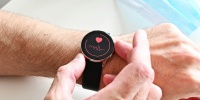
- Wearable Fitness Trackers: Devices like Garmin and Polar offer VO2max estimates based on your training data, heart rate, and exercise intensity.
- Smartwatches: Many smartwatches can estimate VO2max using built-in heart rate monitors during activities similar to those used in VO2max testing.
- Mobile Apps: Apps designed for athletes often include features to track VO2max estimates based on performance data logged over time.
Integrating VO2max Training into Your Routine
To make the most of VO2max training:
- Set Clear Goals: Define what you want to achieve in terms of VO2max improvements and how it aligns with your performance goals.
- Create a Periodized Plan: Incorporate VO2max workouts into a structured training plan that cycles through different periods of intensity and recovery.
- Monitor Progress: Regularly assess your VO2max through testing and adjust your training program as needed based on results and recovery.
Understanding the Limitations of VO2max
While VO2max is an essential metric for endurance athletes, it’s crucial to understand its limitations. Factors such as:
- Genetics: Individual genetic makeup can play a significant role in VO2max capacity.
- Efficiency: Two athletes with the same VO2max may perform differently due to various factors like running economy and skill level.
- Injury and Recovery: Be cautious about pushing too hard for VO2max improvement; adequate recovery is vital to prevent burnout or injury.
Conclusion
In summary, VO2max is a fundamental measurement for endurance athletes that greatly influences performance. By understanding its importance and learning how to test and improve it, you can enhance your training regimen. Always focus on balanced training, incorporating various workout types while allowing for recovery and adaptation.
🧠 FAQ - Understanding VO2max
❓ What is a good VO2max for endurance athletes?
A good VO2max varies based on the sport and the individual's fitness level. Elite male endurance athletes typically have a VO2max over 70 ml/kg/min, while elite females often exceed 60 ml/kg/min.
❓ How often should I test my VO2max?
It’s recommended to test your VO2max every 3-6 months to monitor improvements and adapt training plans as needed.
❓ Can I improve my VO2max without lab testing?
Yes, you can use field tests, like the Cooper test or 1.5-mile run, to estimate your VO2max without laboratory equipment.
❓ How long does it take to improve VO2max?
With a structured training program focused on intensity and endurance, noticeable improvements in VO2max can be seen in as little as 6-8 weeks.
❓ Is VO2max the only factor that affects endurance performance?
No, factors like running economy, lactate threshold, and mental toughness also significantly influence endurance performance.
❓ What should I do if my VO2max isn’t improving?
Consider revisiting your training plan, ensuring it includes a mix of high-intensity workouts, endurance sessions, and adequate recovery. Consulting with a coach can also provide personalized insight.