Incorporating Active Recovery into Your Triathlon and Trail Training
Par Sarah Publié le 18/10/2025 à 20h00 — modifié le 17/10/2025 à 20h00 Temps de lecture : 3 minutes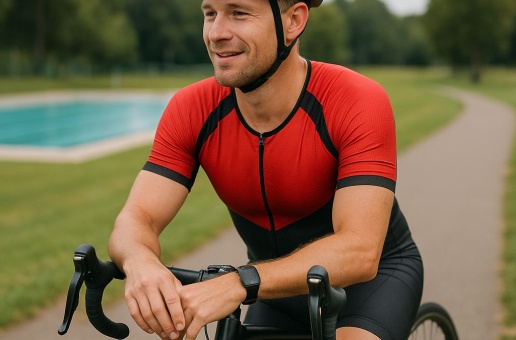 Crédit Image: AI Generated
Understanding Active Recovery
Active recovery refers to low-intensity exercise performed after strenuous physical activity. Unlike complete rest, active recovery allows for a gradual return to pre-exercise levels while promoting blood flow, reducing muscle soreness, and aiding in recovery. This method has garnered attention in the field of endurance sports, particularly because of its significant benefits for triathletes, trail runners, cyclists, swimmers, and hikers.
The Importance of Recovery in Endurance Sports
In endurance sports, athletes engage in high-volume and high-intensity training sessions that place tremendous stress on the body. This stress can lead to fatigue, overtraining, and increased injury risk if recovery is not adequately addressed. Research published in the Journal of Sports Sciences demonstrates that proper recovery strategies can significantly enhance athletes' performance and reduce the likelihood of fatigue-related issues. Incorporating active recovery into your training can ensure that you replenish energy reserves, prevent muscle stiffness, and promote overall performance gains.
Benefits of Active Recovery for Endurance Athletes
- Improved Blood Circulation: Active recovery increases blood flow to the muscles, which helps deliver essential nutrients and oxygen while promoting the removal of metabolic waste products.
- Reduced Muscle Soreness: Engaging in low-intensity activities can help decrease delayed onset muscle soreness (DOMS), allowing for more consistent training.
- Enhanced Flexibility: Gentle movements keep the muscles supple and promote flexibility, reducing the risk of injuries.
- Mental Recovery: Active recovery provides a mental break from intense training while keeping the body engaged, helping to maintain motivation and prevent burnout.
How to Incorporate Active Recovery into Your Training
To effectively incorporate active recovery into your training schedule as a triathlete or trail athlete, consider the following strategies:
1. Schedule Rest Days Wisely
Plan your active recovery days at least once a week, preferably after your most intense training sessions. This will allow your body to recover adequately while still promoting activity.
2. Choose the Right Activities
Engage in low-intensity activities that you enjoy. Here are some options to consider:
- Walking: A casual walk can be a great way to keep the body moving without exerting too much stress on your muscles.
- Swimming: Light swimming can help relax your muscles while providing a low-impact option for recovery.
- Yoga or Stretching: Incorporating yoga into your routine can enhance flexibility and promote relaxation.
- Cycling: Gentle cycling can help keep the legs engaged while promoting blood flow.
3. Focus on Duration and Intensity
During active recovery sessions, maintain low intensity—typically about 30-65% of your maximum heart rate. Keep the sessions brief, lasting about 30-60 minutes, to promote recovery without overexertion.
4. Incorporate Foam Rolling and Mobility Work
Using a foam roller or engaging in mobility exercises can complement your active recovery routine. These techniques help alleviate muscle tightness and improve flexibility.
5. Listen to Your Body
Every athlete is different; monitor how your body responds to active recovery. Adjust frequency and intensity based on how you feel and your overall training load.
Active Recovery Techniques for Specific Sports
Different endurance sports come with unique physical demands. Here are tailored active recovery techniques for athletes:
Triathletes
Triathletes benefit from combining light swimming with stretching exercises. A session of easy-flipping through the water or stretching in the pool can soothe tired muscles and prepare your body for the next training session.
Trail Runners
Trail runners can opt for a relaxed hike on flat terrain. This allows you to still enjoy the great outdoors while giving your legs a break from intense running.
Cyclists
For cyclists, a leisurely bike ride on flat roads can provide gentle activity for recovery days while ensuring that your cardiovascular system stays active.
Swimmers
Swimmers can incorporate active recovery by performing a light session at 50-60% of their typical training speed. Focusing on technique over speed can help maintain form while aiding recovery.
Common Mistakes to Avoid
When incorporating active recovery into your training, be mindful of the following pitfalls:
- Too Much Intensity: Active recovery should not feel like another hard workout. Keep the intensity at a manageable level.
- Neglecting Nutrition: Proper fueling is vital for recovery. Ensure you consume adequate nutrients to support your body.
- Ignoring Signals: Listen to your body. If you're feeling excessively fatigued, it’s okay to incorporate more rest or lighter activities.
Real-World Examples
Many elite endurance athletes prioritize active recovery. For instance, professional triathlete Mirinda Carfrae incorporates yoga and light swimming into her recovery routine, emphasizing flexibility and relaxation post-training. By sharing similar strategies with fellow athletes, she enhances performance while minimizing injury risks.
Final Thoughts on Active Recovery
Incorporating active recovery into your triathlon and trail training is essential for optimizing performance and preventing burnout. By following the guidelines outlined in this article, you'll be able to ensure that your body adequately recovers from strenuous workouts while continuing to build fitness. Remember to focus on enjoyable activities, prioritize proper nutrition, and listen to your body to maximize the benefits of your recovery sessions. With the right active recovery strategies, you can consistently perform at your best!
🧠 FAQ - Active Recovery for Endurance Athletes
❓ What is active recovery?
Active recovery involves engaging in low-intensity exercise after strenuous activity to promote recovery and reduce muscle soreness.
❓ How often should I incorporate active recovery?
Aim to include active recovery at least once a week or after intense training sessions.
❓ What activities can be considered active recovery?
Activities such as walking, cycling, swimming, yoga, or light stretching are excellent options for active recovery.
❓ Can active recovery help with muscle soreness?
Yes, active recovery can facilitate blood circulation, which helps reduce muscle soreness and stiffness.
❓ Should I still focus on nutrition during active recovery?
Absolutely! Proper nutrition is crucial during recovery phases to aid in muscle repair and energy replenishment.
❓ Is it advisable to perform high-intensity workouts on active recovery days?
No, active recovery should be low-intensity to allow the body to recover adequately. Save high-intensity workouts for other training days.