Is There an Age Limit for Starting Triathlon? A Complete Guide to Training for All Ages
Par Sarah Publié le 24/10/2025 à 20h00 — modifié le 23/10/2025 à 20h00 Temps de lecture : 3 minutes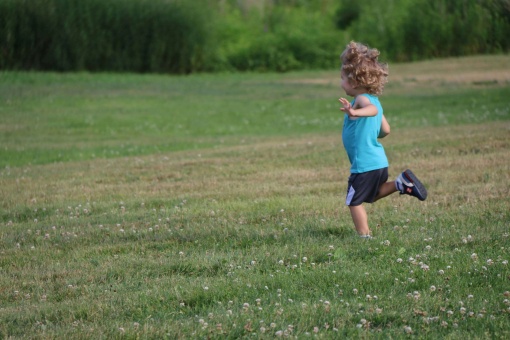
Understanding the Age Factor in Triathlon Training
Triathlon is a challenging yet rewarding endurance sport that combines swimming, cycling, and running. Many aspiring athletes wonder, is there an age limit for starting triathlon? The good news is that there is no strict age limit. Individuals can begin triathlon training at various life stages, each with its unique advantages and considerations. In this article, we will explore the best age to start, training principles tailored for different age groups, and practical tips for success.
The Benefits of Starting Young
Children as young as 6 or 7 can begin their journey into the world of triathlon through age-appropriate formats like kids' triathlons. These events typically feature shorter distances and encouraging environments.
- Physical Development: Engaging in triathlon can promote overall fitness and coordination at an early age.
- Social Skills: Children participating in triathlons often build friendships and teamwork skills through group training.
- Healthy Habits: Introducing triathlon training early can instill lifelong habits of exercise and health consciousness.
Training Recommendations for Children
When training young athletes, it's essential to keep a few key principles in mind:
- Focus on Fun: The training regimen should incorporate games and activities to keep children engaged.
- Varied Workouts: Introduce a mix of swimming, cycling, and running, but keep the sessions short—30 to 60 minutes is ideal.
- Listen to Their Bodies: Encourage children to speak up about fatigue or discomfort to promote a healthy relationship with exercise.
Starting Triathlon Training as an Adult
For young adults and older individuals, the advantages of starting triathlon training can be manifold. In your 20s and 30s, the body is typically at its peak for endurance sports, allowing for better progression.
- Strength and Endurance: Young adults can take advantage of heightened physical capabilities, allowing for more intensive training sessions.
- Life Balance: Many adults in their 20s and 30s can balance training with work, family, and social commitments.
- Racing Opportunities: Adults have access to a wide variety of races and events, allowing multiple opportunities to compete.
Training Tips for Young Adults
Training for triathlon in adulthood requires structure and commitment. Here are some strategies:
- Create a Schedule: Set a training plan that balances swimming, cycling, and running, ideally dedicating 10 to 12 hours a week for serious athletes.
- Focus on Technique: Prioritize proper form in swimming, cycling, and running to prevent injury and improve efficiency.
- Join a Club: Consider joining a local triathlon club for support, training partners, and motivation.
The Senior Advantage
Age should never be a barrier to pursuing triathlon. Many seniors in their 50s and beyond successfully compete in triathlons, demonstrating that it’s never too late to chase your dreams.
- Mental Resilience: Many older adults bring mental fortitude to training and racing, developed over years of experiences.
- Community Engagement: Seniors often find a welcoming community in triathlon, which offers social and motivational support.
- Flexibility in Training: Triathlon training allows for modifications; distances can be adjusted to suit individual capabilities.
Training Considerations for Seniors
Seniors should approach triathlon training with specific considerations in mind:
- Consult a Physician: Prior to beginning any training regimen, it's essential to consult a healthcare professional to address any health concerns.
- Focus on Recovery: Incorporate adequate rest and recovery time into the training schedule to prevent overtraining and injuries.
- Strength Training: Work on strength training to improve balance, joint stability, and overall performance.
Age-Specific Training Formats
Different age groups can benefit from diverse training formats designed to maximize performance while minimizing the risk of injury:
- Kids' Triathlons: These beginner races consist of shorter swim, bike, and run segments, ideal for fostering excitement and engagement.
- Standard and Olympic Distances: Suitable for most adults, these formats provide a balanced challenge for both novice and experienced athletes.
- Half and Full Ironman: Recommended for seasoned adults looking for a test of endurance, involving longer race distances.
Best Practices for All Age Groups
No matter your age, certain principles can optimize your triathlon training experience:
- Nutrition Matters: Proper nutrition and hydration are crucial. Athletes should prioritize whole foods and stay hydrated before, during, and post-training sessions.
- Listen to Your Body: Recognizing signs of fatigue or strain is essential at any age to prevent injuries and allow for effective recovery.
- Mental Preparation: Mental resilience can significantly enhance performance; visualization techniques and mindfulness can boost confidence and calm nerves before races.
Conclusion
In summary, there is no age limit on starting triathlon training. Whether you are a child, an adult, or a senior, triathlon can be adapted to fit your lifestyle and goals. By understanding the principles of training applicable to your age group, engaging in appropriate workouts, and maintaining a positive athlete mindset, you can embark on a fulfilling triathlon journey. So, lace up those shoes or gear up in your swimming suit, and start your triathlon adventure today!
🧠 FAQ - Age Limit for Starting Triathlon
❓ Can kids start training for triathlons?
Yes, children as young as 6 can start training for kids' triathlons, which are designed with shorter distances and fun formats.
❓ Is there an ideal age to start triathlon training as an adult?
While it's beneficial to start in your 20s or 30s due to optimal physical capacity, adults of any age can train for triathlons.
❓ What should seniors consider before starting triathlon training?
Seniors should consult with a physician, focus on recovery, and consider incorporating strength training into their regimen.
❓ What are the different distances in triathlons?
Common triathlon distances include sprint, Olympic, half-Ironman, and Ironman, each catering to varying levels of experience and endurance.
❓ How important is nutrition in triathlon training?
Nutrition is crucial for performance and recovery. Athletes should focus on balanced diets and hydration to support their training efforts.
❓ Can triathlon training be adjusted for different fitness levels?
Absolutely! Training plans can be tailored to individual fitness levels, ensuring that everyone can participate safely and effectively.