Unlocking the Benefits of Altitude Training for Endurance Athletes
Par Sarah Publié le 20/10/2025 à 20h00 — modifié le 19/10/2025 à 20h00 Temps de lecture : 3 minutes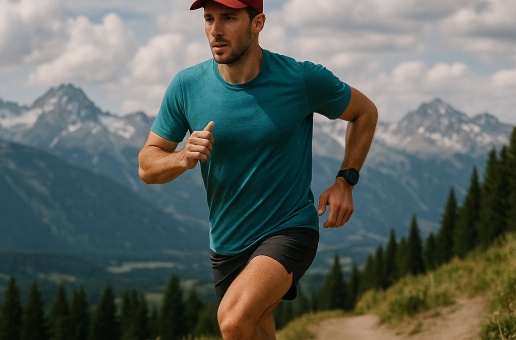 Crédit Image: AI Generated
Understanding Altitude Training
Altitude training is a method used by endurance athletes to improve their performance through exposure to high-altitude conditions. When athletes train at higher elevations, the body adapts in several ways that can lead to enhanced performance during races or long-distance events. This training technique has become increasingly popular among triathletes, trail runners, cyclists, and other endurance disciplines. 🌄
How Does Altitude Training Work?
The science behind altitude training lies in the reduced availability of oxygen. At high altitudes, the air contains less oxygen compared to sea level. As a result, athletes experience a decrease in oxygen saturation in the blood. In response, the body undergoes physiological adaptations, primarily an increase in red blood cell production, enhanced capillary density, and improvements in mitochondrial function, all of which enhance oxygen transport and utilization.
Physiological Benefits of Altitude Training
- Improved Oxygen Delivery: Training at higher altitudes increases the red blood cell count and hemoglobin concentration, allowing for better oxygen delivery to muscles during strenuous activities.
- Enhanced Aerobic Capacity: Altitude sessions stimulate the body to improve its ability to transport and utilize oxygen effectively.
- Increased Endurance: Many athletes report better performance and endurance levels after completing an altitude training cycle.
- Improved Recovery Times: Higher training intensities at altitude may lead to faster recovery adaptations at lower altitudes.
Performance Gains in Triathlon and Trail Running
Endurance athletes, particularly triathletes and trail runners, can greatly benefit from altitude training. A study published in the Journal of Sports Sciences indicates that athletes who incorporated altitude training into their regimen improved their performance metrics, including speed and endurance, compared to those training at sea level.
Practical Tips for Altitude Training
To reap the benefits of altitude training, here are some practical suggestions:
- Choose the Right Location: Aim for elevation levels between 2,000 and 3,000 meters (6,500 to 9,800 feet) for optimal training effects.
- Pace Yourself: If you are new to altitude training, start with shorter workouts to allow your body time to acclimatize.
- Supplemental Training: Combine altitude training with sea-level workouts to ensure you maintain a high volume of training.
- Be Mindful of Hydration: Higher altitudes can lead to dehydration; ensure you’re properly hydrated before, during, and after workouts.
- Consider an Altitude Chamber: For those unable to travel to high altitudes, an altitude training chamber can simulate similar conditions.
Potential Risks and Considerations
While altitude training can provide significant advantages, it’s essential to acknowledge the potential risks. Some athletes may experience altitude sickness, which can include symptoms like headaches, nausea, and fatigue. It’s crucial to monitor your body’s responses and seek lower elevations if you encounter severe discomfort.
Is Altitude Training Suitable for Everyone?
Not every athlete may benefit from altitude training. Generally, it’s best suited for endurance athletes who compete in events requiring long-duration efforts. Those participating in sports with short bursts of power might not experience the same level of benefit. If you’re unsure, consulting with a sports performance coach can help you tailor your training approach.
Integrating Altitude Training into Your Plan
As an endurance athlete, a strategic approach to integrating altitude training into your training plan is essential. Here’s how to do it:
- Pre-Competition Training: Consider incorporating altitude training in the weeks leading up to an important event to enhance your competitive edge.
- Periodization: Use altitude training as part of your overall training periodization, alternating between base-phase training at sea level and altitude-specific sessions.
- Monitor Progress: Keep track of your performance metrics and how altitude training affects your conditioning and race day output.
Combining Altitude Training with Other Techniques
For optimal performance, combine altitude training with other performance-enhancing techniques. For example, maintaining a focus on race economy can further improve how efficiently you run, especially after cycling during triathlons.
Conclusion
Altitude training can be an invaluable tool for endurance athletes looking to elevate their performance. From improved oxygen delivery to enhanced recovery times, the benefits are numerous. As you explore altitude training, remember to listen to your body and consult with experts when necessary. With the right approach, altitude training can help you cross the finish line stronger and faster than ever.
🧠 FAQ - Discover the Impact of Altitude Training on Endurance Performance
❓ What are the main benefits of altitude training?
Altitude training improves oxygen delivery, enhances aerobic capacity, increases endurance, and may lead to faster recovery times.
❓ How does altitude training affect performance in races?
Athletes who train at altitude often report improved performance in races due to increased red blood cell production and better oxygen utilization.
❓ Is altitude training suitable for all endurance athletes?
Altitude training is most beneficial for endurance athletes participating in sports that require sustained, long-duration efforts, such as triathlon or trail running.
❓ What are the risks associated with altitude training?
Potential risks include altitude sickness, which may cause nausea, headaches, or fatigue. It’s important to acclimate properly and monitor your body’s responses.
❓ When is the best time to start altitude training?
The best time to start altitude training is several weeks before a major event to maximize your racing potential through physiological adaptations.
❓ Can altitude training be simulated?
Yes, altitude training can be simulated in altitude chambers, which create low-oxygen environments for training without needing to travel to high elevations.