Prepare for the SaintéLyon with a Comprehensive 24-Week Training Plan
Par Sarah Publié le 25/10/2025 à 08h00 — modifié le 24/10/2025 à 08h00 Temps de lecture : 3 minutes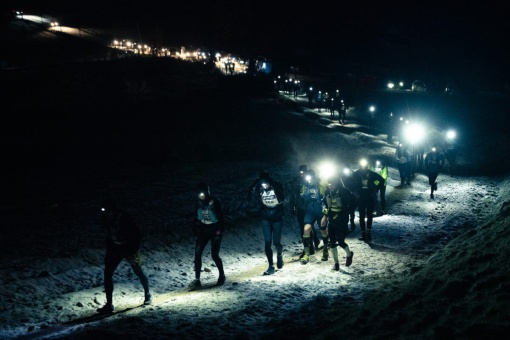 Crédit Image: Saintelyon
Introduction
The SaintéLyon is not just any ultra-trail; it represents one of the most challenging and cherished races in the winter landscape of endurance sports. Covering 72 km with significant elevation changes, this race demands not only physical prowess but also strategic preparation. This article outlines a comprehensive 24-week training plan designed to boost your endurance, strength, and technical skills to cross the finish line strong.
Understanding the SaintéLyon
As the race takes place during the winter months, runners face unique conditions marked by cold temperatures, possible snow, and challenging terrains. Preparing for the SaintéLyon requires careful planning, and understanding the essential skills and physical demands involved in such an endeavor is vital.
The Course
- Distance: Approximately 72 km
- Total Elevation Gain: Around 2000 meters
- Terrain: Varied trails including mud, hills, and potentially snow-covered paths
Understanding these factors will lay the groundwork for tailoring your training sessions effectively.
Training Plan Overview
This 24-week training plan is broken down into different phases, each focusing on specific adaptations and skills. It includes:
- Base Building (Weeks 1-8)
- Strength and Endurance Development (Weeks 9-16)
- Peak Performance Phase (Weeks 17-20)
- Taper and Race Preparation (Weeks 21-24)
Base Building (Weeks 1-8)
This phase focuses on building your aerobic capacity and developing a solid running foundation.
- Running: 3-4 times a week, gradually increase your long run to around 25 km by the end of this phase.
- Cross Training: Incorporate cycling or swimming to build cardiovascular strength without excessive impact.
- Strength Training: 2 sessions a week, focusing on core stability and lower body strength (e.g., squats, lunges).
Strength and Endurance Development (Weeks 9-16)
At this stage, it’s time to shift toward more specific endurance training and hill workouts.
- Hill Repeats: Incorporate hill training sessions to build strength and power in your legs.
- Long Runs: Evolve your long runs to include varied terrain and aim for distances between 30 km and 50 km.
- Nutrition: Learn to fuel during long workouts with gels, bars, and hydration packs.
Peak Performance Phase (Weeks 17-20)
Now is the time to sharpen your skills and simulate race conditions.
- Race Simulation: Participate in local races that mimic the conditions of the SaintéLyon.
- Technical Skills: Work on your descending and cornering techniques on trails.
- Gear Testing: Train with the gear you plan to use on race day, ensuring comfort and familiarity.
Taper and Race Preparation (Weeks 21-24)
The final phase is crucial for recovery and mental preparation.
- Tapering: Reduce your mileage and intensity by 20-30% weekly leading up to the race.
- Mental Preparation: Visualize your race strategy and practice relaxation techniques to alleviate pre-race anxiety.
- Final Gear Check: Confirm that your shoes, hydration, and energy gels are ready for race day.
Detailed Weekly Breakdown
The weekly breakdown of the training plan will be essential to achieve your goals efficiently.
Sample Weekly Schedule (Weeks 1-4)
- Monday: Rest or light stretching.
- Tuesday: Short run (5-10 km) at an easy pace.
- Wednesday: Strength training focusing on functional movements (40-60 minutes).
- Thursday: Tempo run (10-15 km), aiming for a pace slightly faster than your long run pace.
- Friday: Rest or light cross-training activity.
- Saturday: Long run (start with 15 km and build up).
- Sunday: Recovery run (easy pace, 5-8 km) or hiking.
Nutritional Strategies
Proper nutrition is critical for endurance athletes, especially when preparing for an ultra-trail event like the SaintéLyon.
Daily Nutrition
- Focus on a balanced diet with carbohydrates making up 60-70% of your daily intake.
- Prioritize whole foods: fruits, vegetables, lean protein, and healthy fats.
- Stay hydrated and consider your hydration strategy during workouts.
During the Race
Plan to consume 30-60 grams of carbohydrates per hour during the ultra-trail. This could be in the form of:
- Energy gels or chews
- Electrolyte drinks
- Solid foods like bananas or energy bars
Recovery, Sleep, and Injury Prevention
Injuries can derail your training plan; therefore, prioritize recovery throughout your journey.
- Sleep: Aim for 7-9 hours of quality sleep each night to help your muscles recover.
- Active Recovery: Incorporate low-impact activities such as yoga or swimming on designated recovery days.
- Listen to Your Body: Pay attention to signs of overtraining; adjust intensities if fatigue persists.
Mental Preparation and Race Strategy
Mental fortitude is just as important as physical endurance. Develop a race day strategy that includes:
- Pacing: Understand your pace across various terrains; break the race into manageable segments.
- Visualization: Mentally rehearse the course; imagine overcoming obstacles and reaching the finish line.
- Build a Support Network: Share your journey with friends or fellow endurance athletes for added motivation.
Conclusion
Preparing for the SaintéLyon is a significant commitment that requires careful planning, disciplined training, and mental perseverance. With this 24-week training plan, you will enhance your endurance, strength, and technical skills, paving the way for a successful ultra-trail experience.
Remember to adapt the plan to meet your personal fitness level and race day conditions, and don't hesitate to reach out to fellow athletes or coaches for additional support and guidance.
For more structured training plans, check out our 24-Week Training Plan for 100km with 6100m Elevation Gain.
🧠 FAQ - Preparing for the SaintéLyon
❓ How should I start my training for the SaintéLyon?
Begin with a solid base of running fitness, gradually increasing your long run distances while incorporating strength training and cross-training sessions.
❓ What should I focus on in my strength training?
Emphasize lower-body exercises such as squats, lunges, and exercises that improve core stability to help with endurance and power during hills and descents.
❓ How can I best prepare my nutrition for race day?
Practice your nutrition strategy during long training runs to ensure you can tolerate the foods and gels you plan to consume on race day.
❓ What types of cross-training should I include?
Activities like cycling, swimming, and even activities such as yoga can enhance cardiovascular fitness and promote recovery while minimizing impact.
❓ How important is mental preparation before the race?
Mental preparation is critical; practicing visualization techniques and having a pacing strategy can help you stay focused and calm during the race.
❓ What are effective recovery strategies after long runs?
Focus on good nutrition, hydration, and sleep, while incorporating active recovery methods like light cycling or stretching to aid muscle recovery.