Learn to Run Efficiently with Trail Poles: Techniques, Gear Selection, Common Mistakes, and Expert Tips for Optimizing Your Uphill and Downhill Performance
Par Sarah Publié le 25/11/2025 à 07h00 — modifié le 24/11/2025 à 07h00 Temps de lecture : 3 minutes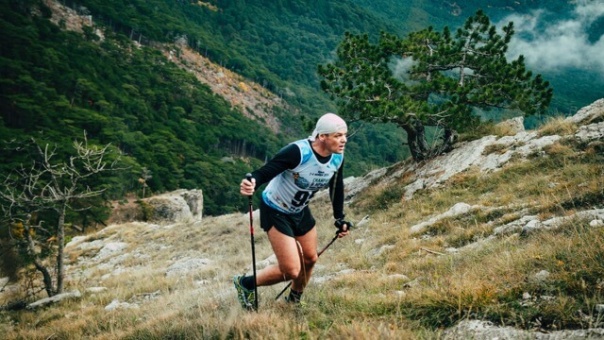
Introduction
Trail running, with its rugged terrains and breathtaking landscapes, can be a rewarding yet challenging endeavor. To enhance your efficiency while navigating steep ascents and descents, employing trail poles has become increasingly popular among endurance athletes. In this comprehensive guide, we will explore essential techniques, gear selection, common mistakes, and expert tips for optimizing your trail running performance with poles.
Understanding the Benefits of Using Trail Poles
Trail poles provide numerous advantages for runners:
- Improved Balance: Poles help maintain stability on rocky or uneven surfaces, reducing the risk of falls.
- Reduced Strain: Distributing your weight and effort across your arms and upper body decreases the load on your legs, especially during ascents.
- Enhanced Rhythm and Cadence: Utilizing poles can create a natural rhythm, helping you maintain a steady pace.
- Increased Power: When used correctly, poles can help propel you forward, contributing to improved speed and performance.
Choosing the Right Trail Poles
The right trail poles can make a significant difference in your performance and comfort. Here are key factors to consider when selecting poles:
1. Material
Most trail poles are made from aluminum or carbon fiber. Aluminum is heavier but more durable, while carbon fiber is lightweight and offers better shock absorption but can be prone to breaking under extreme stress.
2. Length
Your poles should be adjustable, allowing you to customize their length for different terrains. A general rule of thumb is to stand straight and place the pole tip on the ground beside you; the grip should reach your wrist.
3. Grip and Strap
A good grip is essential for comfort. Look for grips made from cork, foam, or rubber. The straps should be adjustable to ensure they provide support without causing discomfort.
4. Weight and Foldability
Especially for long-distance or fast-paced trail running, lightweight, foldable poles are preferable—they don’t take up much space in your pack and won’t add unnecessary strain.
Essential Techniques for Effective Use of Trail Poles
Using trail poles effectively requires practice and technique. Here are some essential pointers:
1. Pole Planting Technique
For efficient pole planting:
- Maintain a slight forward lean while keeping your shoulders relaxed.
- Time your pole planting to coincide with your foot strikes—plant the pole as your foot makes contact with the ground.
- Use the wrist, not the shoulders, to plant the poles, allowing for a more fluid motion.
2. Climbing Technique
When ascending:
- Extend the poles in front of you, planting them firmly into the ground to distribute your weight.
- Keep your elbows bent and close to your body to maximize power from your upper body.
- Engage your core to maintain balance and stability.
3. Descending Technique
For downhill sections:
- Adjust the poles to a shorter length for better control.
- Plant the poles ahead of you to help absorb impact and slow your descent.
- Keep your weight balanced over your feet to enable quick adjustments.
Avoiding Common Mistakes
Even experienced athletes can fall into specific traps when using trail poles. Here’s what to avoid:
1. Excessive Force
A common mistake is using too much force when planting the poles, leading to fatigue. Instead, focus on a fluid, rhythmic motion to conserve energy.
2. Poor Coordination
Failing to coordinate your pole movements with your leg motions can disrupt your balance. Practice synchronizing your stride with your pole plants.
3. Incorrect Pole Length
Using poles that are too long or too short can compromise your technique. Make sure your poles are adjustable and suited to your height and the terrain.
Expert Tips for Optimizing Performance
To further refine your technique and performance with trail poles, consider these expert tips:
1. Practice on Varying Terrains
To become proficient, practice running with poles on flat, uphill, and downhill terrains. This will build muscle memory and improve your adaptability.
2. Incorporate Strength Training
Work on your upper body strength to enhance your pole usage. Exercises like push-ups, planks, and tricep dips can improve your endurance and power while running.
3. Monitor Your Form
Regularly check in with your form by filming your technique during training. This can help you identify areas for improvement.
Conclusion
Integrating trail poles into your running routine can significantly enhance your performance and overall enjoyment of trail running. By understanding the benefits, selecting the right gear, applying effective techniques, avoiding common mistakes, and following expert tips, you can maximize your uphill and downhill efficiency. As an endurance athlete, refining your skills with trail poles can open new avenues for adventure and success in your trail running journey.
🧠 FAQ - Trail Poles and Trail Running
❓ What are trail poles?
Trail poles, also known as trekking poles, are lightweight poles designed to provide support and balance while walking or running on trails, especially in challenging terrains.
❓ How do I choose the right trail poles?
When selecting trail poles, consider factors like material, length, grip, and weight. Adjustable poles are preferable for varying terrains.
❓ Can using poles help with injury prevention?
Yes, proper use of trail poles can help distribute weight and reduce strain on your legs, which may decrease the risk of injury, especially during ascent and descent.
❓ How should I practice using trail poles?
Practice using poles on various terrains, focusing on coordination between your leg and pole movements. Work on your technique during both climbing and descending.
❓ What muscles do trail poles engage?
Trail poles engage various muscle groups, including your arms, shoulders, and core. They also provide stability, helping to alleviate stress on your leg muscles.
❓ Are there any safety tips for using trail poles?
Always be mindful of your surroundings when using poles. Make sure to maintain a relaxed grip, don’t let the poles extend too far ahead of your body, and adjust their length according to the terrain.