Overcompensation: Optimizing Athletic Performance through Adaptation
Par Sarah Publié le 11/11/2025 à 07h01 — modifié le 10/11/2025 à 07h01 Temps de lecture : 3 minutes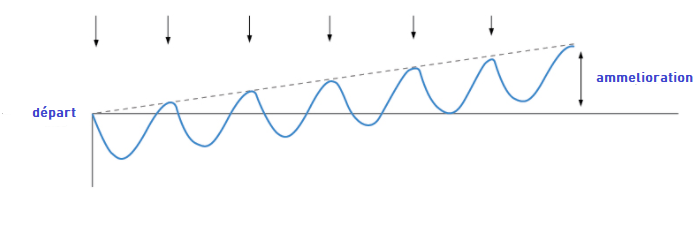
Understanding Overcompensation in Endurance Sports
For endurance athletes, understanding the principle of overcompensation is essential for optimizing training and enhancing performance. Overcompensation is a physiological phenomenon that occurs in response to stress applied to the body, particularly during intense training sessions.
This article will explore how athletes can effectively apply the concept of overcompensation in their training regimens across various endurance sports, including triathlon, trail running, cycling, and swimming. We will also delve into the training principles that facilitate this adaptive process and provide actionable tips to maximize benefits while minimizing risks.
What is Overcompensation?
Overcompensation occurs as a response to the physical and psychological stressors placed on the body during training. When you train, your body experiences micro-tears in the muscle fibers and temporary fatigue, which signals the need for repair and adaptation.
During this recovery phase, the body not only repairs the damaged tissues but also strengthens them beyond their original state, optimizing performance for future workouts and competitions. This principle is fundamental to effective training methodology, particularly in endurance sports.
The Science Behind Overcompensation
The process of overcompensation can be broken down into three fundamental stages:
- Stress Phase: During this initial phase, the athlete engages in training that challenges the body's limits, leading to temporary fatigue and microtrauma in muscles.
- Recovery Phase: In the subsequent recovery phase, the body repairs the damage through enzymatic processes and nutrient uptake, typically involving an increased protein synthesis.
- Supercompensation Phase: Finally, during the supercompensation phase, the body adapts to the workload by increasing the muscle fibers' size and strength, enhancing overall athletic performance.
Understanding these stages can help athletes optimize their training schedules to align with their recovery needs, ensuring they tap into the supercompensation effects fully.
Training Principles That Facilitate Overcompensation
To effectively harness the overcompensation process, athletes should consider implementing the following training principles:
Periodization
Periodization refers to the systematic planning of athletic training. It involves dividing the training cycle into specific phases (macro, meso, and microcycles) to manage stress and recovery. Each phase should have specific objectives, from building a base level of aerobic endurance to tapering for a competition.
For instance, a triathlete might focus on building endurance through long, slow-distance swims, runs, and rides during the base phase, transition to speed work, and then taper down before an important event to maximize supercompensation.
Progressive Overload
Progressive overload is a key concept in strength training that can also be applied to endurance sports. It involves gradually increasing the demands on the musculoskeletal system to drive adaptation.
For example, if a runner typically completes a weekly long run of 10 miles, they might incrementally increase this distance by 10% each week. This gradual increase in training volume or intensity will trigger the body’s overcompensation process.
Recovery Strategies
Implementing effective recovery strategies is critical for fostering overcompensation. Athletes need to prioritize sleep, nutrition, and active recovery to ensure their bodies can heal and adapt.
- Sleep: Aim for 7-9 hours of quality sleep per night to facilitate the recovery process.
- Nutrition: Focus on balanced macronutrients; consume plenty of protein for muscle repair and carbohydrates to replenish glycogen stores.
- Active Recovery: Engage in light, enjoyable physical activities such as yoga or casual cycling to promote blood flow and reduce muscle soreness.
Integrating Nutrition and Hydration
Athletes cannot overlook the role of nutrition and hydration in the overcompensation process. Proper fueling before, during, and after training sessions can significantly enhance performance outcomes.
Pre-Training Nutrition
Prior to workouts, athletes should consume a balanced meal or snack that includes carbohydrates for energy and protein for muscle protection. For example, a combination of oatmeal with nuts or a banana with almond butter can provide sustained energy.
During Training Hydration
During long training sessions, it's important to stay hydrated. Electrolyte drinks or gels can help replenish lost minerals and carbohydrates, ensuring that the athlete maintains performance and supports recovery.
Post-Training Nutrition
After a training session, consuming a meal rich in protein and carbohydrates, such as a protein smoothie or a turkey sandwich, can facilitate muscle repair and glycogen replenishment, paving the way for the overcompensation effect to kick in.
Mental Preparation and Motivation
In addition to physical training, mental preparation plays a crucial role in harnessing the overcompensation response. Cultivating a positive mindset and maintaining motivation is essential for enduring the rigors of training and allowing the body to adapt.
Visualization Techniques
Olympic athletes often utilize visualization techniques to enhance focus and confidence. Imagining oneself successfully completing a race or overcoming physical barriers can stimulate a strong mental state, aiding in better recovery and performance during real events.
Support Systems
Engaging with fellow athletes or coaches creates a supportive atmosphere, providing accountability and motivation. Participating in group activities can help maintain motivation and encourage an athlete through challenging training cycles.
Common Pitfalls to Avoid
While the principles of overcompensation are beneficial, there are common mistakes that athletes should avoid to ensure their training remains effective:
- Under-recovery: Failing to allow sufficient recovery time can lead to burnout and injury, counteracting the benefits of overcompensation.
- Neglecting Nutrition: Poor dietary choices can hinder recovery and adaptation, so fueling the body with adequate nutrition is vital.
- Ignoring Signs of Overtraining: Athletes should be aware of their bodies and recognize signs of overtraining, which can stymie performance and lead to injuries.
Conclusion
Overcompensation is a powerful process that allows endurance athletes to enhance their performance. By applying principles such as periodization, progressive overload, and effective recovery strategies, athletes can optimize their training regimens and produce impressive results.
Through balanced nutrition, proper hydration, and maintaining mental resilience, athletes can effectively set themselves up for success. By embracing the stages of overcompensation, from stress to recovery to supercompensation, you not only enhance your athletic capabilities but create a sustainable path for continued growth in your endurance journey.
🧠 FAQ - Understanding Overcompensation in Endurance Sports
❓ What is overcompensation in athletic training?
Overcompensation is the body's physiological response to training stress, resulting in increased muscle strength and performance beyond previous levels after adequate recovery.
❓ How can athletes implement overcompensation effectively?
Athletes can implement overcompensation effectively through structured training plans that include periodization, progressive overload, and proper recovery strategies.
❓ Why is sleep important in the overcompensation process?
Sleep is crucial as it supports muscle recovery, hormone regulation, and overall well-being, all of which influence the body's ability to respond positively to training stress.
❓ What role does nutrition play in enhancing overcompensation?
Nutrition provides the building blocks for recovery and muscle repair; adequate intake of protein and carbohydrates is essential for optimizing the overcompensation process.
❓ How can an athlete detect signs of overtraining?
Signs of overtraining include persistent fatigue, decreased performance, mood swings, increased injuries, and a lack of enthusiasm for training.
❓ Can overcompensation apply to sports other than endurance training?
Yes, overcompensation is a principle that applies to various sports, including strength training and team sports, as it involves the body's adaptive response to physical stress.