Smiling During Exercise: Enhance Your Triathlon and Trail Running Performance
Par Sarah Publié le 19/10/2025 à 08h00 — modifié le 18/10/2025 à 08h00 Temps de lecture : 3 minutes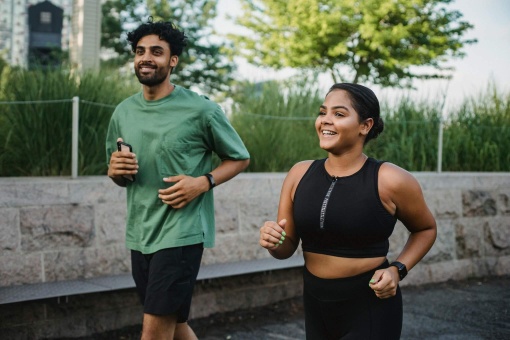 Crédit Image: Ketut Subiyanto
The Surprising Power of a Smile
As endurance athletes, we often focus on physical training, nutrition, and recovery. However, one aspect that frequently gets overlooked is our mental approach during exercise. Recent studies have shown that smiling during workouts can not only enhance performance but also significantly reduce perceived pain and improve mental resilience. Whether you're a triathlete, trail runner, cyclist, or swimmer, understanding the psychological benefits of smiling can transform your approach to training and competition.
The Science Behind Smiling and Performance
Research has revealed that smiling triggers a cascade of physiological responses in our bodies. A 2012 study published in the Journal of Psychology suggested that facial expressions, including smiling, can influence our emotions and even enhance performance. Moreover, smiling is linked to the release of endorphins, dopamine, and serotonin, chemicals that act as natural painkillers and mood boosters. This means that by simply smiling, you may be able to make tough workouts feel a little easier.
How Smiling Affects Pain Perception
During high-intensity workouts or races, endurance athletes often encounter pain and fatigue. A smile can serve as a psychological buffer, reducing the perception of pain. Research indicates that athletes who smile during exercise report lower levels of discomfort, allowing them to push through challenging moments. According to a study conducted at the University of Kent, participants who smiled while engaging in physical activity managed to endure higher levels of discomfort than those who maintained neutral facial expressions.
Tips for Incorporating Smiling into Your Training
Now that you understand the benefits of smiling during exercise, here are some practical tips on how to incorporate smiling into your training routine:
- Practice in Training: Make it a habit to smile during your training sessions, especially during tough workouts. Try to maintain a positive demeanor, and you'll likely notice a shift in how you feel.
- Use Visualization: Before starting a workout or race, visualize yourself smiling and enjoying the experience. This mental rehearsal can help set a positive tone for the activity.
- Surround Yourself with Positivity: Train with friends or groups that encourage a positive environment. Share smiles and laughter, which can further boost your morale.
- Mindful Breathing: Incorporate breathing exercises with smiling. Breathe deeply, and allow yourself to smile as you exhale. This practice can help center you and enhance your overall experience.
- Embrace the Joy of Movement: Remind yourself of the reasons you enjoy your sport. Emphasizing joy can naturally lead to smiling and enhance your workout experience.
Smiling Strategies for Race Day
Race day can bring a mix of excitement and anxiety. Use the following strategies to ensure you’re smiling when it counts:
- Pre-Race Positivity: Arrive at the race venue with a smile. Engage in light conversations and visualize a successful race.
- Smile at the Start Line: As the race begins, allow yourself to smile. This simple act can ease tension and help you focus on the task ahead.
- Find Smiling Sections: Identify parts of the race where you can smile, whether it’s during a scenic view or when passing a cheering crowd.
- Positive Affirmations: Use positive affirmations to boost your spirits and encourage smiles throughout the race.
- Post-Race Reflection: After crossing the finish line, take a moment to reflect on your performance with a smile, regardless of the outcome.
Building Mental Resilience through Smiling
Mental resilience is crucial for endurance athletes, enabling them to push through physical and psychological barriers. Smiling can be a powerful tool in developing this resilience. The act of smiling sends positive signals to your brain, reinforcing a cycle of positivity that can enhance your mental fortitude.
Smiling and its Impact on Mental Health
For endurance athletes, maintaining a positive outlook can significantly impact performance. Research shows that a positive mindset improves focus and determination. By integrating smiling into your routine, you open the door to a more optimistic perspective, which can help you deal with setbacks and challenges effectively.
Creating a Smiling Culture in Endurance Sports
As athletes, we should encourage a culture of positivity within our training environments. Here’s how:
- Be the Positivity Leader: Share your smiling experiences with fellow athletes and encourage smiles in your group.
- Incorporate Fun into Training: Organize fun workouts or group runs that promote laughter and smiles.
- Celebrate Achievements: Celebrate even small victories with smiles and acknowledgment, reinforcing a positive learning culture.
Personal Experiences: Smiling in Action
Many elite athletes have shared stories about the power of a smile during intense competitions. For instance, a professional triathlete noted that smiling at competitors during a tough bike segment not only lifted their spirits but also helped them maintain pace. Such anecdotes highlight the tangible effects of a positive mindset.
FAQs About Smiling During Exercise
🧠 FAQ - Smiling During Exercise: Enhance Your Triathlon and Trail Running Performance
❓ Does smiling really improve exercise performance?
Yes, smiling can enhance exercise performance by boosting mood and reducing the perception of pain.
❓ How can I incorporate smiling into my training?
You can practice smiling during challenging workouts, use visualization, and create a positive training environment.
❓ What are the psychological benefits of smiling during races?
Smiling during races can reduce anxiety, enhance focus, and improve overall race experience.
❓ Can smiling impact mental resilience?
Absolutely! Smiling can reinforce a positive mindset, enabling athletes to overcome challenges and setbacks effectively.
❓ Are there specific moments during training when I should smile?
Try to smile during tough sections, scenic views, or when engaging with fellow athletes.
❓ How does smiling relate to pain perception?
Smiling can act as a buffer against pain, allowing athletes to push through challenges with a greater sense of ease.
In conclusion, smiling is a powerful yet underutilized tool for endurance athletes. By adopting smiling as a regular practice in your training and competitions, you can unlock greater performance, lower pain perception, and enhance your mental resilience.
For more insights into optimizing mental strategies for endurance training, check out our article on Top Mental Preparation Strategies for Endurance Athletes.