Train Your Gut: Key Concepts and Methods for Endurance Athletes
Par Sarah Publié le 21/10/2025 à 08h01 — modifié le 20/10/2025 à 08h01 Temps de lecture : 3 minutes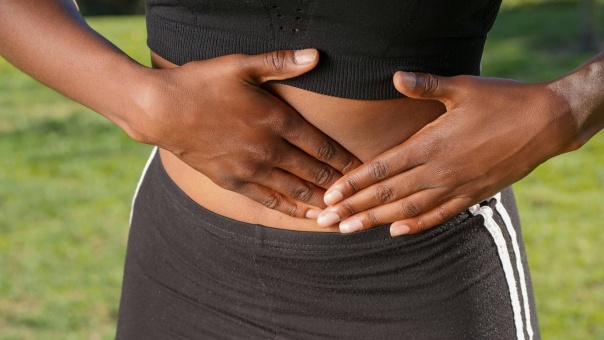 Crédit Image: Kindel Media
Understanding the Importance of Gut Training
Endurance athletes, whether they are triathletes, cyclists, runners, or swimmers, often grapple with gut issues during training and competition. These challenges can include bloating, cramping, and nausea, which can hinder performance. Training your gut is crucial for optimizing your digestion and nutrient absorption, ensuring that you can perform your best on race day. But what does it mean to train your gut?
What Does 'Training Your Gut' Mean?
Training your gut involves conditioning your gastrointestinal (GI) system to handle the stresses of endurance exercise while simultaneously improving its efficiency in nutrient absorption. Just like any other muscle group, your gut can be trained to adapt to various stresses, including the intake of fluids and food while on the move.
Benefits of Gut Training for Endurance Athletes
- Improved Nutrient Absorption: Training your gut can help your body better absorb carbohydrates, proteins, and fats, providing the energy you need to sustain long workouts.
- Reduced Gastrointestinal Distress: A well-conditioned gut is less likely to experience discomfort during intense activities, allowing for better concentration on performance.
- Enhanced Hydration: By training your gut to efficiently process fluids, you can maintain optimal hydration levels during prolonged activities.
- Increased Comfort Levels: Fewer GI issues equate to more focus on strategy, speed, and performance, allowing you to achieve personal bests more consistently.
Scientific Insights into Gut Training
Studies show that endurance athletes often suffer from gut-related issues due to the physiological stress induced by exercise. A research piece published in the journal Gastric Physiology highlighted that competitive athletes undergoing intense training regimens report significantly higher incidents of gut distress, indicating the need for a structured approach to gut health.
How to Train Your Gut: Triathlon-Specific Methods
Whether you are cycling, swimming, or running, the goal is to adapt your gut to tolerate and efficiently process food and fluids while participating in these activities. Here are some triathlon-specific strategies to help you train your gut:
Gradual Introduction to Foods and Fluids
Start by incorporating small quantities of different foods and hydration strategies during your training sessions. This gradual exposure allows your gut to adapt to the intake. For instance:
- Run/ride with gels: Begin with a specific brand of energy gels planned for race day. Try different flavors to find what works best for your stomach.
- Water and electrolytes: Test various electrolyte drinks during longer workouts. Pay attention to how your body handles different sugar and carb concentrations.
Utilize a Training Nutrition Plan
Establish a structured eating and hydration plan consistent with your training. Use periodization in your nutrition, adjusting intake based on workouts. For example:
- Long Bike Rides: Consume small servings of energy bars or gels along with water to test tolerance.
- Brick Workouts: Transition from biking to running and practice consuming your hydration and food choice just before you switch activities.
Listen to Your Body
Every athlete is unique; what works for one may not suit another. Pay attention to your body’s cues. If you experience discomfort, consider adjusting your nutrition strategy or the quantity you are consuming.
Practice Race Day Nutrition
Simulate race day conditions during your long workouts. Practice the timing and amounts of your fuel (gels, bars, sports drinks) to find the optimal strategy. Consider the following:
- Pre-Race Meal: Eat a balanced carbohydrate-rich meal the night before and a light, familiar breakfast on race day.
- During the Race: Replenish electrolytes and energy consistently; know the timings that work for your gut.
Key Tips to Avoid Gut Issues
Gut issues can derail even the best training plans. Here are additional tips to help minimize risks:
- Avoid New Foods Before Events: Stick to familiar foods leading up to race day to avoid adverse gut reactions.
- Stay Hydrated: Proper hydration facilitates digestion and nutrient absorption, which are critical during long efforts.
- Manage Intensity: Heavy exertion can worsen gut issues. Practice tapering during intensive training weeks to allow recovery.
- Use Whole Foods: Focus on whole, nutrient-dense sources as much as possible during training. They contribute to a healthier gut biome.
Monitoring Gut Health
It is essential to monitor your gut’s performance as closely as you would any training metrics. Keep a journal of your meals, hydration strategies, and any gut issues experienced during training. Document your findings to identify patterns, helping fine-tune your approach further.
Final Thoughts
Training your gut can significantly enhance your performance as an endurance athlete. Not only does it help in boosting your nutritional absorption, but it also minimizes the risk of gastrointestinal distress during your workouts and competitions. Remember, the key is consistency and gradual adaptation, enabling you to race efficiently and comfortably. Embrace this vital aspect of training, and you’ll set yourself up for success on race day.
🧠 FAQ - Train Your Gut: Key Concepts and Methods for Endurance Athletes
❓ What is 'gut training' for endurance athletes?
Gut training refers to conditioning the gastrointestinal system to enhance digestion, nutrient absorption, and reduce discomfort during endurance activities.
❓ How can I train my gut?
You can train your gut by gradually introducing foods and hydration strategies during training sessions and monitoring your body's responses.
❓ What are some common gut issues faced by endurance athletes?
Common gut issues include bloating, cramping, nausea, and diarrhea, especially during intense training or competition.
❓ Why is hydration important for gut health?
Proper hydration supports digestion and nutrient absorption, essential for maintaining performance during endurance activities.
❓ Can I use new foods or drinks on race day?
It is not recommended to use new foods or drinks on race day; stick to tried-and-true options that you have tested during training.
❓ Should I keep track of my gut health during training?
Yes, maintaining a journal of your meals, hydration strategies, and any gut issues can help you identify patterns and optimize your gut training.