Explore the Complete and Detailed Training Plan for the Diagonale des Fous: Weekly Schedule, Nutrition Tips, Gear, and Keys to Success for Peak Performance
Par Sarah Publié le 27/10/2025 à 07h01 — modifié le 26/10/2025 à 07h01 Temps de lecture : 3 minutes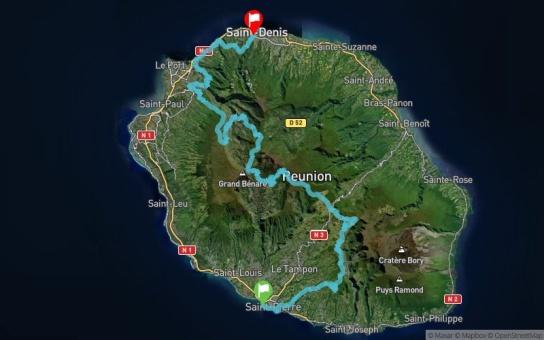
Introduction
The Diagonale des Fous, an iconic ultra-trail race covering approximately 166 km with an elevation gain of over 9,000 meters, is not just a test of physical endurance but also mental resilience. For athletes aiming to conquer this grueling terrain, a comprehensive training plan is essential. In this article, we will explore the intricate details necessary to prepare effectively, including a detailed weekly training schedule, nutrition tips, essential gear recommendations, and keys to success that will help you perform at your peak.
Understanding the Diagonale des Fous
This race, held annually on the island of Réunion, is known not only for its distance but also for stunning landscapes and treacherous conditions that include extreme weather and varying altitudes. Athletes are therefore required to equip themselves with both physical capability and mental strength to achieve their personal best while navigating challenging terrain.
Weekly Training Schedule: Foundation to Peak
Your training schedule will typically span several months and involve three key phases: base building, peak training, and tapering. Here’s a detailed breakdown:
Phase 1: Base Building (Weeks 1-8)
- Goal: Build aerobic capacity and endurance.
- Weekly Structure:
- Monday: Rest or light recovery run (30-45 minutes)
- Tuesday: Tempo run (60 minutes) + core strength exercises (20 minutes)
- Wednesday: Hill training (5 x 5 min uphill efforts)
- Thursday: Easy recovery run (45 minutes) + flexibility routine (15 minutes)
- Friday: Cross-training (cycling or swimming, 60 minutes)
- Saturday: Long run (start at 2 hours; increase up to 4 hours)
- Sunday: Recovery walk/hike (2 hours)
Phase 2: Peak Training (Weeks 9-16)
- Goal: Improve race-specific endurance and strength.
- Weekly Structure:
- Monday: Rest day with optional yoga session
- Tuesday: Speed intervals (total of 10 km): 5 x 1 km fast with 3 min rest
- Wednesday: Technical hills (6 x 8 min uphill effort, focus on form)
- Thursday: Easy recovery run or recovery bike ride
- Friday: Cross-training (focus on strength: squats, lunges, and resistance training)
- Saturday: Back-to-back long runs (Saturday: 3 hours, Sunday: 4-5 hours)
- Sunday: Active recovery walk or swim
Phase 3: Taper (Weeks 17-20)
- Goal: Decrease volume while maintaining intensity for race readiness.
- Weekly Structure:
- Monday: Rest
- Tuesday: Short tempo run (45 minutes)
- Wednesday: Easy run (30-45 minutes)
- Thursday: Hill sprints (5 x 45 seconds)
- Friday: Light cross-training
- Saturday: Race simulation (2-3 hours, similar pace and nutrition as planned for race day)
- Sunday: Rest or a light activity
Nutrition Strategies for Diagonale des Fous
A well-structured nutrition plan will support your training and ensure you're physically prepared for endurance demands. Here are key strategies to consider:
Training Nutrition
During training, focus on a balanced diet rich in carbohydrates, proteins, and healthy fats. Keyword here is 'training your stomach' to handle fuel during races. Aim for:
- Carbohydrates: 60-70% of your caloric intake coming from carbs is crucial. Think of whole grains, fruits, and vegetables.
- Protein: Essential for muscle recovery. Incorporate sources such as lean meats, legumes, and dairy into meals.
- Fats: Healthy fats to sustain energy levels (avocado, nuts, and olive oil).
Race Day Nutrition
Leading up to race day, carbohydrate loading becomes critical. The following strategies are vital:
- Pre-race meal: 2-4 hours before your start, consume a carb-heavy meal that is low in fat (e.g., oatmeal, banana, or energy bars).
- On-course nutrition: Practice with energy gels, chews, or electrolyte drinks during training to see what your stomach can handle. Aim for 60-90 grams of carbohydrates per hour.
Essential Gear for Success
Your choice of equipment can significantly affect performance and comfort during the Diagonale des Fous. Here’s a list of essential gear:
- Footwear: Invest in a durable pair of trail running shoes with excellent grip. Models like Salomon Speedcross or Hoka One One Speedgoat are reputable choices.
- Hydration: A good hydration system is vital. Use a lightweight pack like the CamelBak Ultra Vest for hands-free hydration and storage.
- Clothing: Moisture-wicking fabrics will keep you comfortable. Consider layering systems to adjust to changing weather on the course.
- Additional gear: Things like trekking poles can help with steep ascents and descents.
Keys to Success: Mental Preparation and Race Strategy
Training for the Diagonale des Fous extends beyond physical readiness. Mental toughness is crucial:
- Mental Visualization: Envisioning race day scenarios can prepare you for both smooth sections and challenging moments.
- Race Strategy: Develop a pacing strategy to avoid burnout—start slower and aim to increase your pace if feeling strong.
- Practice Resilience: In training, practice running in adverse conditions (rain, wind, heat) to become accustomed to various situations you may encounter on race day.
Conclusion
Participating in the Diagonale des Fous is a monumental achievement that entails significant preparation. Following a structured training schedule, proper nutrition, choosing the right gear, and honing mental strategies are pivotal for success. By focusing on these areas, you're not just preparing for a race—you’re committing yourself to a journey that will test and ultimately strengthen both your body and mind.
Are you also planning to tackle shorter ultras? If so, you might want to prepare for the EcoTrail (50 to 80 km) with Our Structured 24-Week Plan!
🧠 FAQ - Diagonale des Fous Training
❓ What is the Diagonale des Fous?
The Diagonale des Fous is a challenging ultra-trail race on the island of Réunion, spanning approximately 166 km and featuring significant elevation gain.
❓ How can I train effectively for this race?
Follow a structured training plan that includes phases of base building, peak training, and tapering, with a combination of long runs, hill training, and recovery periods.
❓ What should I eat during training and on race day?
Focus on a balanced diet with an emphasis on carbohydrates, proteins, and healthy fats. On race day, practice carbohydrate loading and experiment with energy gels and electrolyte drinks during long training runs.
❓ What gear do I need for the race?
Invest in trail running shoes with good grip, a hydration pack, moisture-wicking clothing, and consider using trekking poles for assistance in steep areas.
❓ How do I prepare mentally for the race?
Practice mental visualization techniques, develop a pacing strategy for race day, and train in various weather conditions to build resilience.
❓ What are some keys to success during the race?
Pace yourself wisely, listen to your body, stay hydrated, and employ mental strategies to maintain focus through difficult sections of the course.