Essential Training Components for Your Xterra Triathlon
Par Sarah Publié le 07/11/2025 à 07h01 — modifié le 06/11/2025 à 07h01 Temps de lecture : 3 minutes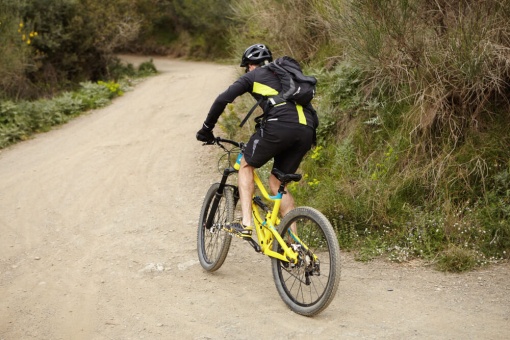
Understanding the Xterra Triathlon
If you're considering entering an Xterra triathlon, you're in for an exhilarating challenge. Unlike traditional road triathlons, the Xterra format merges the thrill of off-road biking and trail running with swimming, making it unique and demanding. To excel in this environment, you'll need to focus on targeted training, proper gear, and a solid strategy. This article will guide you through essential training components that can help you tackle an Xterra triathlon effectively.
Preparing for the Swim
The swim segment of an Xterra triathlon typically occurs in open water, which requires different skills compared to a pool swim. Here are key points to consider:
- Open Water Practice: Get comfortable swimming in lakes or oceans. Exposure to different conditions—waves, currents, and temperature—is crucial.
- Wetsuit Training: As many Xterra events are in cold water, train in a wetsuit to adapt to the buoyancy and restriction it provides.
- Sight and Navigation Skills: Learn how to sight effectively. Practice breathing to both sides to maintain awareness of your direction.
Mastering the Bike Segment
The biking segment in Xterra triathlons often involves rugged terrains and challenging climbs. Focus on the following aspects:
- Mountain Biking Skills: Hone your bike handling skills on trails. Skills like cornering, descending, and navigating rocky terrains are vital.
- Strength Training: Incorporate strength workouts specific to cycling. Exercises like squats, lunges, and leg presses can improve your power on the bike.
- Endurance Rides: Schedule long rides that simulate race conditions. Pay attention to terrain changes and practice gear shifting to maintain efficiency.
Transitioning Between Disciplines
Transitioning between the swim, bike, and run is an art that can significantly affect your race time. Consider these training techniques:
- Practice Brick Workouts: Combine two disciplines in one workout, such as biking followed immediately by running. This will simulate race conditions and help your body adapt.
- Fast Transitions: Train for quick transitions by laying out your gear efficiently and practicing every step. Reducing transition time can be a game-changer.
Preparing for the Run
The running segment of an Xterra triathlon is often on trails that can include steep hills and varied terrain. Important training areas include:
- Trail Running: Incorporate trail runs into your training plan. Focus on varied elevations, and practice running uphill and downhill to build strength and agility.
- Endurance and Tempo Runs: Include a variety of run types, from long, slow runs to tempo runs at race pace, to develop both endurance and speed.
Nutrition Strategies for Xterra Training
Your nutrition plays a crucial role in your preparation for an Xterra triathlon. Here are some key points:
- Pre-Race Nutrition: Ensure you are well-fueled leading up to the event. Focus on carbohydrates for energy, along with a balanced intake of protein and fats.
- During the Event: Plan to consume easily digestible carbohydrates during your race. Gels, chews, or electrolyte drinks can prevent bonking and keep your energy stable.
- Post-Race Recovery: After the event, prioritize protein for muscle recovery, along with hydration to replace lost fluids.
Recovery and Injury Prevention
Training hard is essential, but recovery is equally important. Here are strategies to consider:
- Active Recovery: Include light activities like walking or cycling on rest days to promote blood flow and recovery.
- Stretching and Mobility: Incorporate static stretching post-workout and mobility exercises to maintain flexibility and reduce injury risks.
- Sleep Quality: Prioritize good sleep hygiene to support recovery and performance. Aim for 7-9 hours of quality sleep per night.
Mental Preparation and Race Strategy
Mental toughness can be the difference between success and failure in a challenging event like the Xterra triathlon. Here are ways to build mental strength:
- Visualization Techniques: Practice visualizing yourself successfully completing all segments of the race. Imagine overcoming obstacles and crossing the finish line strong.
- Set Realistic Goals: Develop achievable goals for each segment of the race. This keeps you focused and motivated throughout your training and during the race.
- Mindfulness and Breathing Techniques: Teach yourself to maintain calm under pressure by incorporating mindfulness practices, which can enhance your focus and confidence.
Essential Gear for Xterra Triathlons
Investing in the right gear is crucial for your performance in an Xterra triathlon. Here’s a list of essentials:
- Wetsuit: A high-quality wetsuit is essential for swimming in colder water.
- Mountain Bike: Choose a bike that’s suited for rough terrain, ideally one with good suspension and robust tires.
- Trail Running Shoes: Make sure you have shoes that provide traction and stability on varied surfaces.
- Hydration Pack: Stay hydrated with a reliable hydration system designed for off-road use.
Conclusion
Training for an Xterra triathlon is a diverse and engaging pursuit that combines swimming, biking, and running in an off-road setting. By focusing on the unique aspects of each discipline and incorporating essential training principles, nutrition strategies, and mental preparation techniques, you’ll be well-prepared for race day. Remember, the journey to success in endurance sports is just as valuable as the finish line itself. Embrace the challenge and enjoy the process!
🧠 FAQ - Training for Xterra Triathlons
❓ What is the difference between a traditional triathlon and an Xterra triathlon?
An Xterra triathlon includes off-road elements, specifically mountain biking and trail running, occurring in natural terrains, unlike a traditional triathlon that typically features road biking and running.
❓ How should I train for the swim segment in the Xterra?
Practice open water swimming with a wetsuit, work on your navigation skills, and train in various conditions to be prepared for race day.
❓ What are some effective nutrition strategies for an Xterra triathlon?
Focus on a carbohydrate-rich diet before races, use easily digestible carbs mid-race, and consume protein for recovery afterwards.
❓ How essential is mental preparation for my race?
Mental preparation is crucial for endurance events. Visualization, realistic goal-setting, and mindfulness practices can enhance performance and confidence.
❓ What type of bike should I use for Xterra triathlons?
Choose a mountain bike that can handle rough terrains, ideally with good suspension and tires for grip and stability.
❓ How can I prevent injuries during my training?
Incorporate active recovery, prioritize stretching and mobility work, and ensure adequate sleep to maintain overall fitness and minimize injury risks.