Discover How Mental Coaching Can Boost Your Triathlon Performance
Par Sarah Publié le 06/11/2025 à 19h00 — modifié le 05/11/2025 à 19h00 Temps de lecture : 3 minutes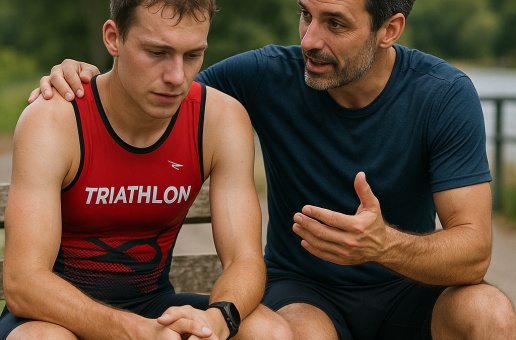 Crédit Image: AI Generated
Introduction
Mental coaching is an integral aspect of training for triathletes, impacting performance across the spectrum—from amateur enthusiasts to seasoned competitors. In an endurance sport like triathlon, where physical demands are significant, mental resilience often determines the outcome. This article delves into how mental coaching can enhance your triathlon performance and why it's essential for athletes of all levels.
Understanding Mental Coaching
Mental coaching involves techniques and strategies to develop an athlete's psychological skills, enhancing focus, confidence, and overall performance. This form of coaching aims to optimize an athlete's mental state during training and competition, ensuring they can perform at their best when it matters most.
The Importance of Mental Health in Endurance Sports
Endurance sports, including triathlon, require not only physical training but also a strong mental presence. Athletes frequently face challenges such as fatigue, stress, and self-doubt, which can hinder performance. Mental coaching helps individuals navigate these challenges effectively.
Key Components of Mental Coaching
- Goal Setting: Establishing clear and attainable goals is crucial for motivation and direction.
- Visualization: This technique helps athletes mentally rehearse their performance, enhancing confidence and focus.
- Self-Talk: Positive self-talk can mitigate negative thoughts and reinforce a strong performance mindset.
- Mindfulness: Practicing mindfulness allows athletes to stay present, reducing anxiety and improving focus.
- Motivation Techniques: Strategies to boost intrinsic motivation can keep athletes energized and committed to their training plans.
The Psychological Benefits of Mental Coaching
Mental coaching offers numerous psychological benefits that can elevate triathlon performance:
Enhances Focus and Concentration
In a triathlon, distractions abound—crowds, changing weather, and muscle fatigue can all divert attention. Training with a mental coach practitioners can enhance focus and improve concentration, helping athletes stay in the zone when it matters most.
Builds Resilience
Triathlons test not only physical endurance but mental resilience. Mental coaching empowers athletes to push through pain and setbacks, developing a stronger mindset and increasing their ability to cope with challenging circumstances.
Boosts Confidence
Confidence plays a pivotal role in performance. Athletes who engage in mental coaching often report higher self-esteem and assurance, which translate into improved performances during training and races. For example, envisioning a successful race finish through visualization can create a positive self-fulfilling prophecy.
Implementing Mental Coaching Strategies
Incorporating mental coaching into your training requires intentional practice. Here are steps to get started:
1. Work with a Qualified Mental Coach
Finding a coach who specializes in sports psychology or mental coaching can provide tailored strategies for improvement. Look for someone with experience in endurance sports, as they will understand the unique challenges faced by triathletes.
2. Incorporate Mental Training into Your Routine
Just as you'd allocate time for swimming, cycling, and running, set aside time for mental training. This could involve visualization sessions, performance journaling, or mindfulness practices, seamlessly integrating between physical workouts.
3. Evaluate Your Mental State
Assessing your current mental state through reflection or journaling can help identify areas for improvement. Acknowledge your fears, doubts, and concerns, and work on strategies to address them through mental coaching techniques.
4. Monitor Progress
Track your progress in mental strength just as you would with physical performance. For instance, maintain a journal that details mental training sessions and personal methodologies that helped in training or racing.
Case Studies: Real-World Examples of Mental Coaching Success
Many successful triathletes have leveraged mental coaching to improve their performance:
Example 1: Transitioning from Amateur to Competitive Triathlete
One athlete, Jane, transitioned from local races to competing at the national level after working with a mental coach to build focus and resilience. Through goal setting and visualization, she learned to tackle her nerves before high-stakes competitions, leading to significant improvements in her race times.
Example 2: Overcoming Injuries
Michael, an elite triathlete, faced multiple injuries that stalled his career. With mental coaching, he developed visualization techniques that allowed him to mentally prepare while he was sidelined, ultimately helping him return stronger. By adapting his goals to focus on healing and mental performance, he regained his competitive edge.
Conclusion
In endurance sports like triathlon, mental fortitude is as essential as physical training. Mental coaching equips athletes with the tools needed to navigate the psychological demands of the sport, helping them reach their peak potential. Whether you're new to triathlons or a seasoned competitor, investing in mental coaching could set you on a path toward achieving your personal best. To further explore this topic, check out our guide: Mental Training Techniques for Sports: Manage Stress, Boost Confidence, and Achieve Your Triathlon and Trail Goals.
🧠 FAQ - Mental Coaching in Triathlons
❓ What is mental coaching for athletes?
Mental coaching for athletes involves techniques to improve psychological skills such as focus, confidence, and mental resilience, enhancing overall performance.
❓ How does mental coaching help triathletes?
Mental coaching helps triathletes improve focus, boost confidence, build resilience against challenges, and enhance motivation throughout their training and competition.
❓ Can anyone benefit from mental coaching?
Yes, athletes of all levels can benefit from mental coaching, as it provides tools to navigate the psychological demands of the sport and improve overall performance.
❓ What techniques are used in mental coaching?
Techniques include goal setting, visualization, positive self-talk, mindfulness practices, and motivation strategies tailored to individual athlete needs.
❓ How should I incorporate mental training into my triathlon training?
Set aside time for mental training sessions, such as visualization or mindfulness exercises, and regularly evaluate your mental state to ensure holistic development alongside physical training.
❓ Where can I find a mental coach specializing in sports?
Look for certified sports psychologists or mental coaches with experience in endurance sports; professional organizations often have directories to help you find qualified coaches.