Discover How to Use a Hypoxic Tent to Boost Your Endurance, Simulate Altitude, and Improve Your Trail Performance
Par Sarah Publié le 28/10/2025 à 07h02 — modifié le 27/10/2025 à 07h02 Temps de lecture : 3 minutes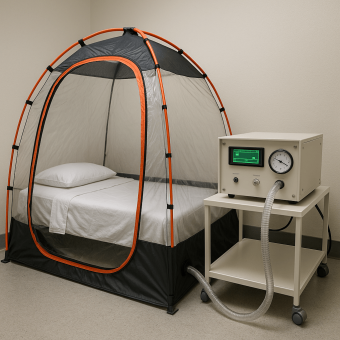
Introduction
In the realm of endurance sports, whether it’s triathlon, trail running, or cycling, athletes are always on the lookout for ways to enhance their performance. One of the most compelling tools in modern training is the hypoxic tent—a game changer that simulates altitude to boost endurance. In this article, we’ll explore how you can effectively use a hypoxic tent, its benefits, and the best practices to optimize your training.
Understanding Hypoxia and Altitude Training
Hypoxia refers to a state where the body receives insufficient oxygen. At higher altitudes, there is less oxygen available, which can impact physical performance. Athletes often train at altitude to adapt to these lower oxygen levels, enhancing their capacity to utilize oxygen efficiently when they return to sea level.
Benefits of Using a Hypoxic Tent
The benefits of incorporating a hypoxic tent into your training regimen are numerous:
- Improved VO2 Max: Training at altitude can lead to an increase in VO2 max, which is the maximum rate of oxygen consumption measured during incremental exercise. This is crucial for endurance athletes.
- Enhanced Oxygen Utilization: The adaptation from low oxygen levels forces the body to become more efficient at using the oxygen available.
- Increased Red Blood Cell Production: Exposure to hypoxic conditions stimulates erythropoiesis, or the production of red blood cells, which helps transport oxygen throughout the body.
- Improved Endurance Performance: Training in these conditions can enhance your overall endurance and efficiency, making it easier to tackle challenging trails or long-distance events.
- Convenient Training Environment: A hypoxic tent allows for altitude training without the need for travel to high-altitude locations.
How to Use a Hypoxic Tent
To effectively use a hypoxic tent, follow these guidelines:
1. Set Up Your Tent
Start by choosing a suitable hypoxic tent. These tents can often be set up in your home or any comfortable space. Ensure that the tent is sealed properly to maintain the low oxygen environment.
2. Determine Your Training Protocol
Your training protocol is essential in maximizing the benefits of hypoxic training. Here’s a sample protocol:
- Start with a baseline of 1 hour per day, 3-5 times a week.
- Gradually increase the duration to 2-3 hours, depending on your comfort and adaptation level.
- Incorporate both low-intensity steady-state and high-intensity interval training within your sessions.
3. Monitor Your Response
Pay attention to how your body responds to training in a hypoxic environment. Monitor your heart rate, perceived exertion, and overall performance. This feedback is crucial for adjusting your training load and duration.
Nutrition and Hydration Strategies
Training in a hypoxic environment can increase energy demands and alter nutritional needs. Here are some strategies to keep in mind:
- Stay Hydrated: Dehydration can exacerbate the effects of altitude training. Drink plenty of water before, during, and after sessions.
- Carbohydrate Intake: Focus on a carbohydrate-rich diet to fuel your workouts, especially on days when using the hypoxic tent.
- Electrolytes: Consider electrolyte supplements to prevent imbalances caused by increased respiration rates.
Recovery and Sleep
Recovery is vital when incorporating intense training like hypoxic workouts. Make sure to:
- Prioritize sleep, aiming for 7-9 hours per night to support recovery and adaptation.
- Include active recovery days where you engage in low-intensity activities to help your body recover.
- Consider recovery techniques such as foam rolling and stretching to aid muscle repair.
Injury Prevention
Adapting to a hypoxic environment requires time. Here are best practices to avoid injury:
- Start slowly, allowing your body to adapt to the new stresses of training in reduced oxygen.
- Incorporate cross-training to balance your muscle engagement and reduce repetitive strain on any one area.
- Listen to your body; if you feel fatigued or experience pain, take a step back to prevent injuries.
Technology and Performance Gear
While the hypoxic tent is a powerful training tool, complementing it with the right technology and performance gear can enhance your training experience. Consider:
- Heart Rate Monitors: To track your physiological responses during training sessions.
- GPS Watches: For tracking your performance metrics and long-distance training sessions.
- Apparel: Invest in moisture-wicking and temperature-regulating clothing to stay comfortable during workouts.
Mental Preparation for Hypoxic Training
Training with a hypoxic tent can be a mental challenge as much as a physical one. Here are tips to enhance your mental approach:
- Create a training mantra to keep you focused and motivated during tough sessions.
- Visualize the benefits you’ll reap from the training environment while you’re inside the tent.
- Set clear goals for each session to ensure you maintain focus and direction in your training.
Conclusion
The use of a hypoxic tent can be a significant component of your training arsenal to boost endurance and performance, especially for trail running. By simulating altitude, you enhance your body's ability to utilize oxygen effectively and improve your overall stamina.
To maximize the benefits, remember to pair hypoxic training with appropriate nutrition, hydration, recovery, and mental preparation. As you adapt to the new training environment, you’ll likely discover improvements in your performance and resilience on the trails.
For further insights into endurance training, check out our article on Unlocking the Benefits of Altitude Training for Endurance Athletes.
🧠 FAQ - Hypoxic Tent and Endurance Training
❓ What is a hypoxic tent?
A hypoxic tent is an enclosed environment that simulates high-altitude conditions by lowering the oxygen levels, thus providing the physiological benefits associated with altitude training.
❓ How long should I train in a hypoxic tent?
Begin with 1 hour per day, 3-5 times a week, gradually increasing up to 2-3 hours as your body adapts.
❓ Can anyone use a hypoxic tent?
Yes, but it's advisable for individuals to consult a knowledgeable coach or healthcare professional, especially if they have underlying health issues.
❓ What are the risks of using a hypoxic tent?
Potential risks include headaches, fatigue, or altitude sickness-like symptoms. Proper acclimatization and monitoring are crucial to mitigate these issues.
❓ How does hypoxic training affect performance?
Hypoxic training can lead to improved VO2 max, better oxygen utilization, and increased endurance on lower oxygen levels, enhancing overall performance.
❓ Can I combine hypoxic tent training with other training methods?
Absolutely! Combining hypoxic training with traditional endurance workouts, strength training, and recovery strategies can provide comprehensive benefits.