Discover a Complete Training Plan to Succeed in Your M Distance Triathlon
Par Sarah Publié le 24/11/2025 à 07h01 — modifié le 23/11/2025 à 07h01 Temps de lecture : 3 minutes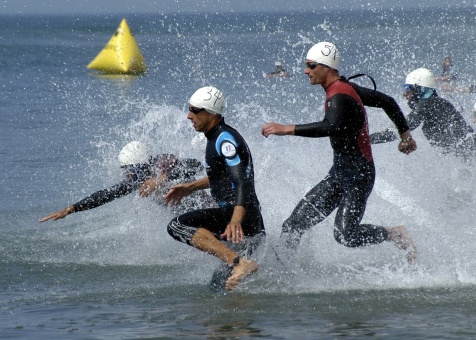
Introduction
Preparing for an M distance triathlon (1.5 km swim, 40 km bike, 10 km run) is both an exciting and challenging endeavor. Whether you’re a beginner looking to complete your first race or a seasoned athlete aiming for a personal best, having a well-structured training plan is key. This article presents a complete training plan that emphasizes performance, consistency, and enjoyment, ensuring you enjoy every aspect of your triathlon journey.
Understanding the M Distance Triathlon
The M distance triathlon is a strategic test of endurance and mental fortitude. Each segment—the swim, bike, and run—requires specific training focus and skills:
- Swimming: A dynamic 1.5 km swim can be intimidating. Developing stroke efficiency and breathing techniques is essential to conserve energy for the other legs.
- Cycling: The 40 km ride is often where athletes have the most opportunity to gain time. Understanding pacing, gear selection, and the importance of maintaining a steady effort reflects directly on your performance.
- Running: Transitioning to the 10 km run means you must manage fatigue from the previous disciplines. Proper pacing is crucial to finish strong.
Key Training Principles
Training for an M distance triathlon involves various principles that keep athletes focused and engaged:
- Periodization: Structuring your training into cycles (macro, meso, micro) ensures gradual progression and recovery.
- Specificity: Each workout should target specific skills or energy systems crucial for triathlon performance.
- Individualization: Customize your training to your fitness level, goals, and available time.
Developing Your Training Plan
Your training plan should span at least 12-16 weeks leading up to your race day. Below is a sample structure, which you can adjust according to your personal schedule:
Weeks 1-4: Foundation Phase
- Goal: Build a solid aerobic base.
- Swim: 2-3 sessions per week, focusing on form (e.g., drills to improve stroke technique).
- Cycle: 2-3 rides per week, gradually increasing duration (60-90 minutes at a conversational pace).
- Run: 1-2 runs per week (30-60 minutes at easy pace).
Weeks 5-8: Build Phase
- Goal: Increase intensity and introduce race-specific workouts.
- Swim: 3 sessions per week, including at least one interval session (e.g., 8x100m at race pace).
- Cycle: 3 rides per week, incorporating one long ride (up to 2 hours) and one interval session (short bursts at high intensity).
- Run: 2-3 runs per week, including tempo runs (20 minutes at a hard pace).
Weeks 9-12: Peak Phase
- Goal: Achieve peak fitness and practice transitions.
- Swim: 3-4 sessions per week, focusing on open-water swims if possible.
- Cycle: 3 rides a week with solid endurance and tempo sessions, including brick workouts (bike followed by a quick transition to run).
- Run: 2-3 runs, including longer runs (1 hour) at goal race pace.
Weeks 13-16: Taper Phase
- Goal: Reduce volume while maintaining intensity to allow for recovery.
- Swim: 2 sessions per week, focusing mainly on maintaining feel and comfort in water.
- Cycle: 2 shorter rides, incorporating some race pace efforts but less volume.
- Run: 2 runs per week with reduced distance but race pace efforts.
Nutrition and Hydration Strategies
Nutrition plays an essential role in your training and race performance. Here are some guidelines for you to consider:
- Daily Nutrition: Focus on a balanced diet rich in carbohydrates, high-quality proteins, and healthy fats. Whole grains, lean meats, fruits, and vegetables should be staples.
- Pre-Workout Nutrition: Consume 1-2 hours before your workouts, focusing on quick-digesting carbs (e.g., banana, energy bar).
- Race Day Nutrition: Plan your race day intake. Consider easy-to-digest gels or chews during the bike and run segments.
- Hydration: Hydration starts before training and continues throughout. Use electrolyte drinks during longer sessions to replenish lost fluids and minerals.
Recovery, Sleep, and Injury Prevention
To maximize your performance, prioritize recovery and injury prevention strategies:
- Rest Days: Incorporate at least 1-2 rest days or easy active recovery days to help your body heal.
- Sufficient Sleep: Aim for 7-9 hours of quality sleep each night to optimize recovery.
- Injury Prevention: Regularly include strength training and flexibility exercises to balance out the endurance training. Focus on core stability, hips, and shoulders.
Equipment and Performance Gear
Having the right gear can contribute significantly to your performance and comfort during a triathlon:
- Swim Gear: Invest in a well-fitting wetsuit, swim goggles, and an optional buoy for open water training.
- Cycling Gear: A quality road bike tuned for your size, cycling shoes, helmet, and comfortable clothing can make a big difference.
- Running Gear: Proper running shoes tailored to your foot type and running style will enhance comfort and reduce the risk of injury.
Mental Preparation and Race Strategy
Equally crucial is the mental aspect of training and racing. Here are tips to prepare your mind:
- Visualization: Spend time visualizing your race day: where you’ll start, transitions, and how you'll feel crossing the finish line.
- Developing a Race Strategy: Know your ideal pacing for each segment and plan how you’ll manage your energy throughout the race.
- Embrace the Journey: Focus on enjoying the process of training and the thrill of competition rather than fixating solely on performance outcomes.
Conclusion
Success in an M distance triathlon is built on well-planned training, optimal nutrition, recovery, and mental preparation. Approach your training with determination and flexibility, remembering to make adjustments based on how your body responds. When race day comes, you’ll be well-prepared to tackle the challenges ahead and enjoy the experience. For more insights into triathlon training, check our Complete Guide to Your First Triathlon Distance Choices Gear Plans Nutrition.
🧠 FAQ - M Distance Triathlon Training
❓ How long should my training plan be for an M distance triathlon?
A comprehensive training plan should typically span 12-16 weeks, allowing for adequate preparation across swimming, cycling, and running.
❓ What is the best way to stay hydrated during training?
Hydrate regularly before, during, and after training. During long workouts, drink electrolyte-rich beverages to replenish lost fluids and minerals.
❓ How can I prevent injuries while training for a triathlon?
Incorporate strength training, flexibility exercises, and prioritize rest days to minimize the risk of overuse injuries.
❓ What should I eat before my race?
Aim for a carbohydrate-rich meal 1-2 hours before the race. Foods like oatmeal, bananas, or energy bars are great options.
❓ Do I need a wetsuit for an M distance triathlon?
A wetsuit is strongly recommended for colder waters to help with buoyancy and thermal protection, enhancing swimming efficiency.
❓ How do I know what pace to set during my race?
Practice pacing during your training sessions. Develop a pacing strategy that reflects your training performance to maintain energy throughout the race.