Don’t Miss Out! Explore Our Comparison Guide of the Best Bike Power Meters for 2025
Par Sarah Publié le 31/10/2025 à 07h02 — modifié le 30/10/2025 à 07h02 Temps de lecture : 3 minutes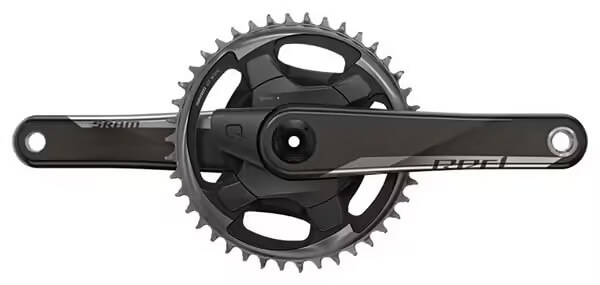
Introduction to Bike Power Meters
For endurance athletes, particularly triathletes and cyclists, understanding power output is essential for maximizing training effectiveness and race performance. As we move into 2025, advancements in technology have led to increasingly sophisticated bike power meters that provide insights into your pedaling power, efficiency, and overall performance. Don’t miss out on how these devices can elevate your training regimen and help you reach your goals!
What is a Bike Power Meter?
A bike power meter is a device that measures the power output of a cyclist, typically expressed in watts. This measurement is critical because it allows athletes to gauge their performance in real-time, enabling more precise training sessions and race strategies. Understanding your power output can help you:
- Tailor workouts based on intensity zones.
- Monitor improvements over time.
- Optimize pacing during competitions.
- Enhance your training efficiency.
Types of Bike Power Meters
Bike power meters come in various types, each with unique features and benefits. Here’s a breakdown:
- Pedal-based Power Meters: These attach directly to your bike pedals and provide reliable metrics, making them easy to transfer between multiple bikes.
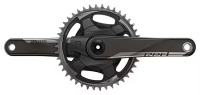
- Crank-based Power Meters: Integrated into the crankset, these models tend to be highly accurate and durable, suitable for consistent training.
- Hub-based Power Meters: Located in the hub of the rear wheel, these meters can be highly precise and often come with built-in Bluetooth capabilities.
- Bottom Bracket Power Meters: Installed in the bottom bracket of the bike, these devices provide accurate readings and are less affected by external factors.
Top Bike Power Meters for 2025
Let’s dive into some of the most recommended bike power meters for 2025, factoring in their features, accuracy, and user-friendliness.
1. Garmin Rally
The Garmin Rally series offers a range of pedal-based power meters that provide dual-sensing technology to measure power from both legs. Features include:
- Accuracy within ±1%.
- Data analysis through the Garmin Connect app.
- Interchangeable pedal designs for road and mountain biking.
2. Stages Cycling
Stages Cycling offers both crank-based and pedal-based options. Known for their reliability, the Stages power meters are designed with:
- Real-time data display.
- Compatibility with multiple app interfaces.
- Lightweight and robust design, suitable for training and racing.
3. SRM Origin
As a pioneer in power measurement, SRM continues to impress with its Origin series. Key features include:
- High precision with ±1% accuracy.
- Bluetooth and ANT+ connectivity options.
- Long battery life, suitable for long-distance riders.
4. Powertap G3
The Powertap G3 hub-based power meter is another favorite among triathletes for its easy installation and exceptional data reliability. Features include:
- Durable design with ±1.5% accuracy.
- Built-in wireless functionality.
- Variety of gearing options for adaptability.
5. Favero Assioma
The Favero Assioma pedal-based system is gaining traction among cyclists for its excellent value for money. Key highlights are:
- Dual-sensing technology with the option for additional power meter installation.
- Highly accurate with ±1% reading consistency.
- Rechargeable battery with extended life.
How to Choose the Right Power Meter
Choosing the right power meter involves considering several factors:
- Accuracy: Look for a model with high accuracy ratings; those around ±1% are desirable.
- Type of Cycling: Determine if you need a power meter suitable for road cycling, mountain biking, or both.
- Technology Compatibility: Ensure the power meter integrates well with existing training tools and apps.
- Budget: Prices can vary significantly; establish your budget beforehand.
Integrating Power Meter Data into Training
Once you've selected your power meter, the next step is integrating this valuable data into your training regimen. Here are effective strategies:
- Setting Training Zones: Establish your functional threshold power (FTP) to create personalized training zones that enhance endurance and performance.
- Progress Tracking: Use data to monitor improvements over time, adjusting training as necessary.
- Race Strategy: Use power data during races to manage pacing effectively, ensuring energy conservation over long distances.
Nutrition and Hydration for Performance
While a power meter is essential for tracking performance, don't forget the impact of nutrition on your training. Proper fueling and hydration can enhance your output significantly:
- Carbohydrate Intake: Consuming adequate carbohydrates is crucial for maintaining energy levels during long rides.
- Hydration Strategies: Stay hydrated to prevent performance dips and cramping.
Conclusion
Investing in a high-quality bike power meter is vital for endurance athletes looking to sharpen their training and racing performance in 2025. By understanding your power output, you can optimize your training, monitor your progress, and develop effective race strategies. As technology advances, staying informed about the best options and how they can benefit you is key. So don't miss out—explore the comparison guide of the best bike power meters and elevate your triathlon training to new heights!
🧠 FAQ - Bike Power Meters
❓ What is a bike power meter?
A bike power meter measures the power output of a cyclist in watts, providing real-time data to optimize training and racing performance.
❓ How do I choose the best power meter for my needs?
Consider factors such as accuracy, cycling type, technology compatibility, and budget when selecting a power meter.
❓ Are pedal-based power meters better than crank-based ones?
Both types have pros and cons; pedal-based meters are often more versatile while crank-based ones tend to offer consistent performance.
❓ How can I integrate power meter data into my training?
Set training zones based on your functional threshold power (FTP) and use data to monitor performance and guide race strategies.
❓ Do power meters work for mountain biking?
Yes, many power meters are designed specifically for mountain biking, providing accurate data for cross-country and downhill activities.
❓ What are some tips for fueling and hydrating while cycling?
Maintain a balanced carbohydrate intake and ensure adequate hydration throughout your ride to sustain performance and prevent cramping.