Shapes, Materials, Prices, and Regulations: Discover with Us the Best Triathlon Saddles
Par Sarah Publié le 13/11/2025 à 07h01 — modifié le 12/11/2025 à 07h01 Temps de lecture : 3 minutes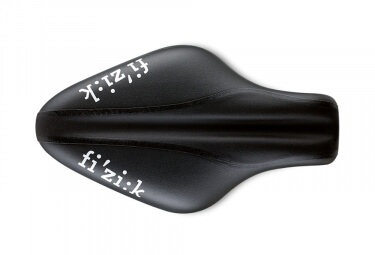
Understanding Triathlon Saddles
When it comes to triathlon performance, every detail counts, including your saddle choice. An effective saddle can enhance your comfort, efficiency, and ultimately, your race performance. Whether you are a beginner or a seasoned triathlete, understanding the various aspects of triathlon saddles will help you make an informed decision. In this article, we will dive deep into the shapes, materials, prices, and regulations surrounding the best triathlon saddles available today.
Key Characteristics of Triathlon Saddles
Triathlon saddles are specifically designed to cater to the unique needs of triathletes. They differ significantly from standard road bike saddles in several ways:
- Weight: Triathlon saddles are generally lighter to enhance overall bicycle efficiency.
- Length: They are often longer than traditional saddles, allowing for various riding positions.
- Cut-out design: Many triathlon saddles feature cut-outs to relieve pressure on sensitive areas during long rides.
- Aerodynamic shape: The saddle's design aims to maintain an aerodynamic position, optimizing speed.
Shapes of Triathlon Saddles
The shape of a saddle plays a crucial role in your comfort and performance. Here are the main shapes to consider:
- Flat saddles: Ideal for riders with a well-balanced pelvis; these saddles allow for movement, making them great for aggressive riding positions.
- Curved saddles: Best suited for those who prefer a more upright position. These saddles typically provide more support for the sit bones.
- Satin or tapered saddles: Combining both flat and curved elements, these are often a go-to for triathletes looking for versatility.
Materials Used in Triathlon Saddles
The choice of material can significantly impact the weight, comfort, and durability of a saddle. Below are common materials utilized:
- Foam padding: Typically used in the saddle for comfort, available in various densities.
- Gel padding: Offers additional comfort through cushioning while distributing weight more evenly.
- Carbon fiber: Widely used for the saddle rails and base due to its light weight and strength.
- Titanium: Known for its durability and lighter than steel, titanium rail saddles are a preferred choice for many serious triathletes.
Price Ranges for Triathlon Saddles
Triathlon saddles come in a wide range of prices, from budget-friendly options to high-end, premium models. Here’s a breakdown:
- Budget-friendly ($30-$80): Good for novices or those who are testing the waters. These saddles may lack some of the advanced technologies found in pricier models.
- Mid-range ($80-$150): Offer a balance between quality and price, with improved materials and comfort features.
- High-end ($150+): Features cutting-edge technology, lightweight materials, and ergonomic designs for experienced athletes.
Regulations Surrounding Triathlon Saddles
When selecting your saddle for competitions, consider the regulations set by triathlon governing bodies such as the International Triathlon Union (ITU). Regulations often pertain to:
- Dimensions: Many competitions define maximum saddle lengths and widths to ensure fairness.
- Material Restrictions: Certain materials might be restricted in specific events.
Top 5 Triathlon Saddles to Consider
- Fizik Arione Tri 2: This saddle features a long, narrow shape for a comfortable fit and is designed for triathlon-specific positioning.
- Specialized Toupe Pro: Known for its balanced curvature and lightweight construction, suitable for riders looking for a flexible, comfortable option.
- Adamo Typhoon: Famous for its unique cut-out design, ideal for those who prioritize comfort during long rides.
- Prologo Dimension NACK: Combines a forward-leaning design with excellent weight distribution ideal for sustained power output.
- Selle Italia SLR Superflow: Offers a lightweight option with extra padding in all the right places.
Choosing the Right Saddle for You
Finding the right saddle is personal and can take time. Here are a few tips to guide you:
- Test Ride: If possible, test a few saddles on short rides to see which one feels most comfortable.
- Seek professional fitting: A bike fitting session can help you understand what type of saddle suits your anatomy and riding style.
- Consider your riding style: Triathletes who lean forward might need a different saddle shape compared to those who ride more upright.
Conclusion
Triathlon saddles are a pivotal component of your cycling performance. It’s essential to take your time when selecting the right saddle, understanding its features, materials, and pricing. Not only will the right saddle improve your comfort on race day, but it will also enhance your overall performance. Investing time and effort into finding a saddle that fits your body and riding style can make all the difference in your triathlon journey.
🧠 FAQ - Best Triathlon Saddles
❓ What is the difference between triathlon saddles and road bike saddles?
Triathlon saddles are designed to support an aerodynamic position, often featuring a longer design and specific cut-out patterns for comfort on long rides. Road bike saddles are generally constructed for a different riding style, focusing on support and comfort over varied terrains.
❓ Are there special regulations for triathlon saddles?
Yes, many triathlon governing bodies, such as the ITU, have specific regulations regarding saddle dimensions and materials to ensure fairness in competition.
❓ How can I determine which saddle is right for me?
Personal comfort is key. It is recommended to test a few saddles through test rides or consult a professional bike fitting expert who can recommend options based on your body type and riding style.
❓ How often should I replace my triathlon saddle?
Generally, if you notice excessive wear, discomfort, or degradation in performance, replacing your saddle every 1-2 years is advisable, depending on usage frequency.
❓ Are expensive saddles worth it?
High-end saddles often feature advanced materials and designs tailored for comfort and performance. While not every athlete needs a premium saddle, for serious competitors, they can provide significant benefits.
❓ What type of padding should I look for in a triathlon saddle?
Consider foam or gel padding, depending on your comfort preference. Foam is lightweight and standard, while gel provides extra cushioning, particularly beneficial over long distances.